What Actually Happens When You Use a Septic Drain Field Cleaner

Let’s be honest, you didn’t plan on becoming a “septic system expert.”
Yet here you are… probably because your backyard smells like something between rotten eggs and regret.

You’ve Googled “Septic Drain Field Cleaner”, hoping for a miracle. Something simple. Something that doesn’t involve digging up your lawn like a treasure hunt gone wrong.

But here’s the real deal:
When you pour a septic drain field cleaner into your system, it’s not magic; it’s science, biology, and a bit of timing working behind the scenes.

So what actually happens?

Let’s break it down in a way that finally makes sense and might even save your yard and wallet.

Starts Breaking Down the Hidden Enemy: Bio-Mat

When you use a septic drain field cleaner, the first thing it targets is the real villain:

A thick, slimy layer called biomat

Formed from:

  • Waste solids
  • Grease
  • Bacterial residue

This layer sits in your drain field soil and:

  • Blocks water absorption
  • Causes pooling and odors
  • Slowly suffocates your system


Bio-Mat is not the root cause of failure; it is a byproduct of system failure caused by sodium buildup in the soil.

What the cleaner does:

  • Activates specialized bacteria and enzymes
  • Begins digesting organic sludge buildup
  • Softens and reduces biomat thickness

Why this matters:
Your system doesn’t fail overnight
It slowly chokes, and this is the first visible symptom

The Real Cause of Failure: Sodium Buildup in Soil

Septic systems primarily fail due to sodium accumulation in the soil beneath the drain field pipes.

Here’s what happens:

  • Sodium binds with soil particles
  • Creates hardpan (sodium-bound soil)
  • Prevents water from absorbing properly

This soil structure collapse is what actually starts the failure process, not Bio-Mat alone.

As this condition worsens:

  • Airflow in the system becomes restricted or completely stops
  • The entire biological balance shifts

Supercharges Bacterial Activity 

Your septic system already relies on bacteria.
But over time, that balance gets disrupted.

Healthy systems depend on aerobic bacteria (oxygen-loving bacteria), not just bacteria in general.

When you add a drain field cleaner, you’re essentially:

  • Reintroducing high-performance bacteria strains
  • Boosting microbial activity inside your system

What happens next:
Bacteria start breaking down:

  • Fats
  • Oils
  • Organic waste

Waste becomes:

  • Smaller
  • Easier to process
  • Less likely to clog the soil

What Really Goes Wrong: Oxygen Loss & Bacterial Shift 

Aerobic bacteria require oxygen and produce CO₂ while breaking down waste efficiently.

But when sodium damages the soil:

  • Airflow stops
  • Oxygen levels drop

This causes:

  • Aerobic bacteria die off
  • Anaerobic bacteria (no-oxygen bacteria) take over

And here’s the problem:

  • Anaerobic bacteria produce black, slimy sludge (Bio-Mat)
  • This sludge clogs the soil even further

This creates a destructive cycle:
Sodium → Soil sealing → Oxygen loss → Anaerobic bacteria → Bio-Mat → System failure

Restores Soil Absorption 

Here’s something most people don’t realize:

Your drain field isn’t just pipes; it’s soil doing the heavy lifting.

Fixing the system means fixing sodium-damaged soil first, not just breaking down waste.

A proper solution works to:

  • Drive sodium out of the soil
  • Break down blockages
  • Open tiny pathways for water movement
  • Restore natural filtration

Results you may notice:

  • Less standing water in your yard
  • Faster drainage
  • Reduced soggy patches

Reduces Odors at the Source 

That smell? Yeah… that’s not just “bad luck.”

It’s caused by:

  • Trapped gases
  • Anaerobic (oxygen-starved) bacteria
  • Decaying waste buildup


Odors are a direct result of anaerobic bacterial activity caused by a lack of oxygen in sodium-bound soil.

Using the right treatment:

  • Restores oxygen balance
  • Supports aerobic bacteria
  • Reduces gas-producing waste

What you experience:

  • Odors gradually fade
  • The air around your yard feels cleaner

Slows Down or Prevents Total System Failure

Here’s the part most homeowners care about:

Avoiding a massive replacement bill

Key correction:
True recovery requires addressing BOTH sodium buildup AND Bio-Mat, not just one.

When treated properly, you can:

  • Extend the life of your drain field
  • Prevent a complete system breakdown
  • Avoid costly excavation

How the Right Products Actually Work

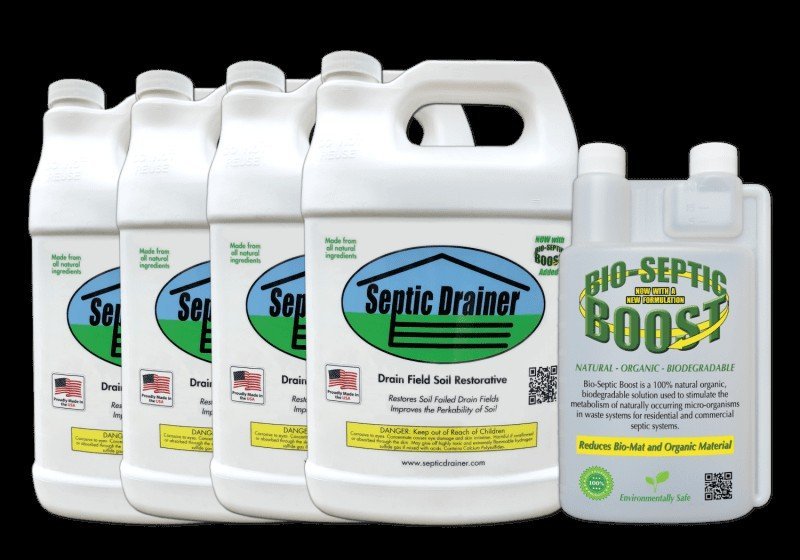
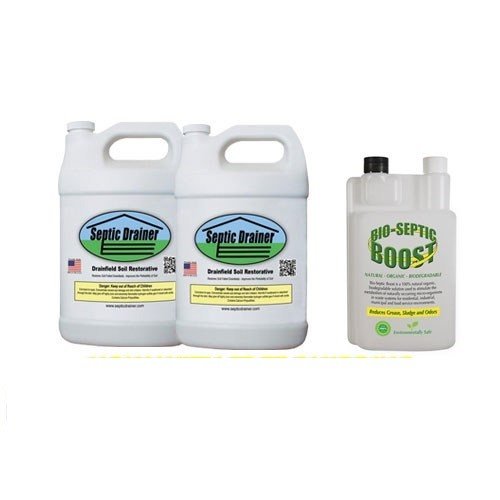
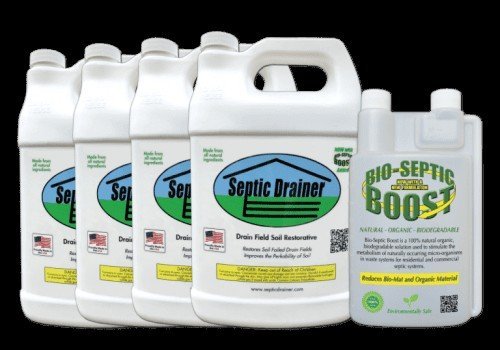
  • Septic Drainer works by driving sodium out of the soil, restoring soil structure and permeability.
  • Bio-Septic Boost is a biological stimulant that enhances aerobic bacteria by millions-fold.
  • These aerobic bacteria then actively consume and reduce Bio-Mat.

Together, they fix both the cause and the symptom.

Conclusion

So, what actually happens when you use a septic drain field cleaner?

  • It addresses sodium buildup (the root cause)
  • It reduces Bio-Mat (the byproduct)
  • It restores oxygen flow
  • It reactivates aerobic bacteria
  • It brings your system back to life

But here’s the truth: most people learn too late:

The earlier you treat sodium damage, the better your chances of recovery.

If you’re already noticing:

  • Slow drains
  • Bad smells
  • Wet patches in your yard

Then your system is asking for help loudly.

Instead of jumping straight to costly replacements, you can take a smarter first step.

Because in the world of septic systems…

The difference between a quick fix and a financial nightmare usually comes down to one thing: fixing the real cause, not just the symptoms.
Septic Drain Field Treatment: Practical Solutions Homeowners Rarely Hear About

Let’s be real, you didn’t land here because everything is going great in your backyard. 

No one casually sips coffee and thinks, “You know what sounds fun today? Septic Drain Field Treatment.” 

Nope. Something’s off. 

Maybe your yard smells like a science experiment gone wrong.
Maybe your grass is greener… suspiciously greener… in one weird patch.
Or maybe your drains are moving slower than your weekend plans. 

Here’s the good news: you’re not alone, and more importantly, you’re not stuck. 

Most homeowners only hear about two options: 

  1. Ignore it and hope it magically fixes itself (spoiler: it won’t) 
  1. Replace the entire system and cry over a $20,000 bill 

But what if there’s a smarter middle ground? 

Let’s dig into practical, lesser-known septic drain field treatment solutions that actually work without turning your yard into a construction site. 

Understand the Real Cause: It’s Not Just Biomat

Here’s something most people never get clearly explained:

Drain field failure is not just about buildup; it starts with the soil chemistry. Over time, sodium from household waste combines with the soil beneath your drain field pipes. This creates what is known as hardpan soil or sodium-bound soil. When this happens, airflow through the soil stops almost completely.

And that’s where the real problem begins. Healthy systems rely on aerobic bacteria, which need oxygen to survive. These bacteria break down waste efficiently and release harmless carbon dioxide.

But when airflow is blocked, oxygen disappears from the system. This creates the perfect environment for anaerobic bacteria to take over.

These bacteria do not need oxygen and produce that thick, black, slimy layer called biomat.

So here’s the truth:

Sodium causes the failure, and biomat is simply the byproduct of that failure.

Understanding this changes everything about how you treat the problem.

Restore Soil Balance, Not Just Pipes

Most solutions focus on symptoms instead of the root cause.

Cleaning the tank alone will not fix a failing drain field.

The real goal is to restore the soil so it can function again.

What actually works:

  • Driving sodium out of the soil to break up hardpan conditions
  • Reopening airflow so oxygen can return to the system
  • Supporting the natural balance needed for proper drainage

When sodium is removed, the soil becomes breathable again.

And once airflow returns, the entire system starts recovering naturally.

This is the foundation of effective septic drain field treatment.

Rebuild Healthy Bacteria Activity

Once oxygen levels are restored, the next step is rebuilding the right bacteria.

Remember, aerobic bacteria are the ones that actually clean your system efficiently.

But in a failing system, their population drops significantly.

This is where biological stimulation becomes important.

Instead of random additives, targeted solutions can:

  • Multiply aerobic bacteria by millions
  • Help them consume and break down biomat naturally
  • Restore balance inside the drain field environment

As aerobic bacteria grow, they begin eating away at the biomat layer.

This improves drainage and reduces odors at the same time.

It’s not a temporary fix, it’s a system reset.

Stop Overloading Your System

This one might sting a little, but it matters more than people think. Most systems don’t fail suddenly; they are slowly overwhelmed daily. Too much water flow prevents the soil from recovering properly.

Common habits that cause problems:

  • Running multiple loads of laundry back-to-back
  • Long showers from multiple household members
  • Ignoring small leaks that constantly add water

Your drain field works like a sponge.

If it never gets a break, it stops absorbing completely.

Simple changes can help:

  • Spread water usage throughout the day
  • Fix leaks immediately
  • Use water-efficient fixtures

Giving your system time to rest helps it recover naturally.

Let the Drain Field Recover

Here’s a strategy many homeowners never hear about:

Your drain field can heal itself if given the chance.

But only if you remove the stress and restore the right conditions.

Practical steps include:

  • Redirecting excess water away from the drain field
  • Avoiding heavy traffic or parking over the area
  • Reducing usage temporarily to allow recovery

Soil has a natural ability to regenerate when conditions improve.

When sodium is reduced and oxygen returns, the process speeds up.

This is one of the simplest yet most effective septic drain field treatment strategies available.

Use Targeted Treatment Systems

Not all septic products are helpful, and many can actually make things worse.

Common issues with generic additives:

  • They never reach the drain field
  • They push solids deeper into the soil
  • They disrupt the natural bacterial balance

What you actually need is a targeted approach.

Effective systems work by:

  • Removing sodium buildup from the soil
  • Stimulating aerobic bacteria growth significantly
  • Breaking down biomat at the source

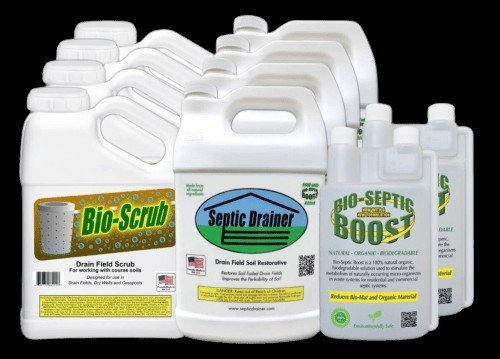
This is where solutions like Septic Drainer and Bio-Septic Boost come into play.

Septic Drainer works by driving sodium out of the soil, restoring airflow. Bio-Septic Boost enhances aerobic bacteria by millions, helping them consume biomat. Together, they address both the cause and the effect of system failure.

That’s the difference between masking a problem and actually fixing it.

Conclusion

Here’s the truth most homeowners never hear:

Your septic system doesn’t need a miracle; it needs the right science. Sodium buildup is what causes failure, and biomat is just the result.

When you fix the soil, everything else starts working again.

The right septic drain field treatment can:

  • Restore proper drainage
  • Eliminate odors
  • Extend your system’s life by years
  • Save thousands in replacement costs

But timing is everything. 

Ignore the warning signs, and you’re looking at a full system failure. Act now, and you might completely avoid it. 

So if your yard is already hinting that something’s wrong, slow drains, bad smells, soggy patches, don’t wait for it to get worse. 

Take control before it becomes a disaster. 

Explore a targeted, proven solution designed specifically for real drain field recovery at Septic Drainer. 

Because the smartest homeowners don’t wait for failure, 
They fix the problem before it fixes their wallet. 

The Truth About Septic Drain Field Repair Kits: Do They Really Work?

 Let’s be honest, you didn’t wake up one morning excited to Google “leach drain repair.”

Something went wrong.

Maybe your yard smells like something died… twice.


Maybe your sink drains slower than your Monday motivation.


Or worse, your lawn has turned into a suspicious swamp.

And then, you see it.
 

A shiny promise online: 

“Septic Drain Field Repair Kit – Fix it yourself!”

Sounds like a dream, right? No digging. No $20,000 bill. No chaos. 

But here’s the real question:

Are these kits a genius solution… or just a very convincing band-aid?

Let’s break it down so you don’t waste money, time, or your backyard.

What’s Actually Causing Your Drain Field to Fail?

Before you even think about a repair kit, you need to understand the real problem.

Here’s the truth most people skip :
 Your septic system usually isn’t the issue; your soil is.

Over time, a layer called biomat builds up in your drain field. It’s a thick, slimy barrier made of waste and bacteria that blocks water from draining properly.

That’s when things go south:

  • Water stops absorbing
  • Pipes clog
  • Your yard turns into a biohazard zone

In fact, most failures aren’t from broken pipes; they’re from this invisible buildup choking your system.

So when you’re thinking about drain repair, the real goal is simple:
Restore the soil’s ability to absorb water.

What Do Septic Drain Field Repair Kits Actually Do?

Now let’s talk about the kits themselves.

Most septic repair kits claim to:

  • Break down biomat
  • Boost bacteria activity
  • Restore soil permeability
  • Eliminate odors

Some advanced systems even target clogged soil directly and stimulate bacteria growth to “eat” the blockage.

Sounds impressive, right?

And here’s the thing: they’re not entirely wrong.

Certain well-designed kits:

  • Help reduce organic buildup
  • Improve drainage in moderately damaged systems
  • Extend the life of your drain field

That means in the right situation, they can absolutely support effective drain repair.

But, and this is important, they are not magic.

When Repair Kits Actually Work

Let’s clear the skepticism:
 Repair kits can work, but only under specific conditions.

You’re a good candidate if:

  • Your system is moderately failing (not completely dead)
  • The issue is mainly biomat buildup
  • Your drain field isn’t too old
  • You caught the problem early

In these cases, repair kits can:

  • Restore partial drainage
  • Prevent full system failure
  • Save you thousands compared to replacement

Some repair approaches even show strong success when they target the root cause rather than symptoms.

Think of it like this :
 You’re not replacing the system; you’re reviving it.

When Repair Kits Won’t Save You

Now for the part no one likes hearing.

Sometimes… It’s already too late.

Repair kits won’t work if:

  • Your entire drain field is saturated
  • Soil is completely compacted or damaged
  • Pipes are broken or crushed
  • The system is decades old and beyond recovery

In these cases, using a repair kit is like putting perfume on a garbage pile.

Experts often warn that if the system is fully clogged or structurally damaged, repairs become temporary at best.

And yes, you might get a short-term improvement.
 But the problem will come back.

The Biggest Mistake Homeowners Make

Here’s where most people go wrong:

They treat the symptom… not the cause.

You might:

  • Pump the tank
  • Add chemicals
  • Try random DIY fixes

But if the soil remains clogged, nothing changes.

Even worse, some additives can actually push more solids into your drain field, making things worse over time.

So the smartest approach to leach drain repair is this:

  • Focus on restoring soil flow
  • Use targeted solutions, not generic fixes
  • Act early before total failure

Conclusion: So… Do Septic Repair Kits Really Work?

Yes, but only when used at the right time, for the right problem.

If your system is in the early to moderate stages of failure, a high-quality repair kit can:

  • Save you thousands
  • Extend your system’s life
  • Restore proper drainage

But if your drain field is completely gone, no kit will resurrect it.

So what should you do next?

If you’re noticing early warning signs, such as slow drains, odors, or soggy patches, don’t wait.
That’s your window to act.

Instead of jumping straight to costly replacement, explore a proven leach drain repair solution designed to target the root cause.

If you’re ready to take control of your septic system before it gets worse, check out a specialized repair solution on septic drainer.

Because the difference between a $200 fix and a $20,000 disaster…
It is usually just timing.


Act Fast: Leach Field Fix Advice Following a Sudden Septic Leach Field Failure

Introduction

Septic systems quietly perform an essential role in maintaining a clean and functional household. When everything runs smoothly, it’s easy to forget these systems exist. However, when a sudden issue strikes—especially a leach field failure—it grabs your attention fast. Acting quickly and understanding how to respond can mean the difference between a manageable fix and a complete system overhaul.

A failed leach field isn’t always the end of the road. With the right knowledge and treatment approach, homeowners can restore drainage, prevent costly repairs, and regain confidence in their septic system. Using proven tools and methods developed by RCS II, Inc., solutions are now more accessible and effective than ever before.

CLICK ON IMAGE TO ORDER

Spotting Trouble Before It Becomes Worse

Early signs of septic leach field failure may not seem alarming at first. You might notice wet patches in the yard even though it hasn’t rained. Sometimes, a strong odor lingers near drains or outside the house. These issues often point to wastewater no longer filtering properly through the soil.

The most common reasons behind this failure include sodium buildup in the soil, which causes a hard, impermeable layer to form under the pipes. This prevents water from moving downward as it should. Over time, this condition creates an ideal environment for anaerobic bacteria to grow, forming a layer known as Bio-Mat. This slimy build-up restricts airflow and adds to the system’s stress.

Another contributing factor is organic overloading—when too much solid material enters the tank and pushes into the leach field, overwhelming the bacteria meant to break down waste. Recognizing the signs early and choosing effective treatment options quickly can prevent further complications.

Understanding the Core of the Problem

Septic leach field failure isn’t random. It’s typically the result of three main conditions: compacted soil caused by sodium-rich wastewater, the accumulation of Bio-Mat, and an overload of organic material that upsets the biological balance within the system.

Soil compaction underneath the drain field pipes reduces the system’s ability to absorb water. Sodium plays a major role here. When wastewater high in sodium repeatedly enters the drain field, it binds with soil particles and forms a hardened layer. This “hard pan soil” condition creates a barrier that water cannot penetrate, effectively halting the filtration process.

Meanwhile, Bio-Mat—formed from waste left behind by anaerobic bacteria—sits above this hardened layer, blocking further absorption and creating foul smells. These issues work together to shut down the natural filtration processes of the septic system. A proactive leach field fix addresses both soil permeability and the microbial environment of the drain field.

Products That Make a Real Difference

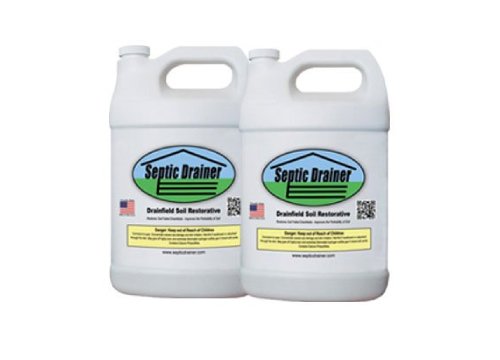
The most effective response to drain field trouble includes products that restore soil permeability and stimulate healthy bacterial activity. Septic Drainer, developed by RCS II, Inc, provides a proven approach. It’s a powerful soil conditioner that targets the compacted area under the drain field pipes. Unlike treatments focused on the tank itself, Septic Drainer reaches the heart of the problem—hard pan soil.

Using this product doesn’t require digging or replacing the soil. It works by softening the hardened layer and allowing moisture to penetrate again. When paired with Bio-Septic Boost, a sea kelp-derived bio-stimulant, it enhances microbial performance by increasing the activity of aerobic bacteria. This combination dissolves Bio-Mat and restores airflow, a critical step toward system recovery.

Bio-Septic Boost complements the action of Septic Drainer by ensuring that bacteria can thrive and perform their natural waste breakdown tasks more efficiently. Together, these tools repair not only the symptoms but the core of what causes septic leach field failure.

Choosing the Right Repair Kit for Your System

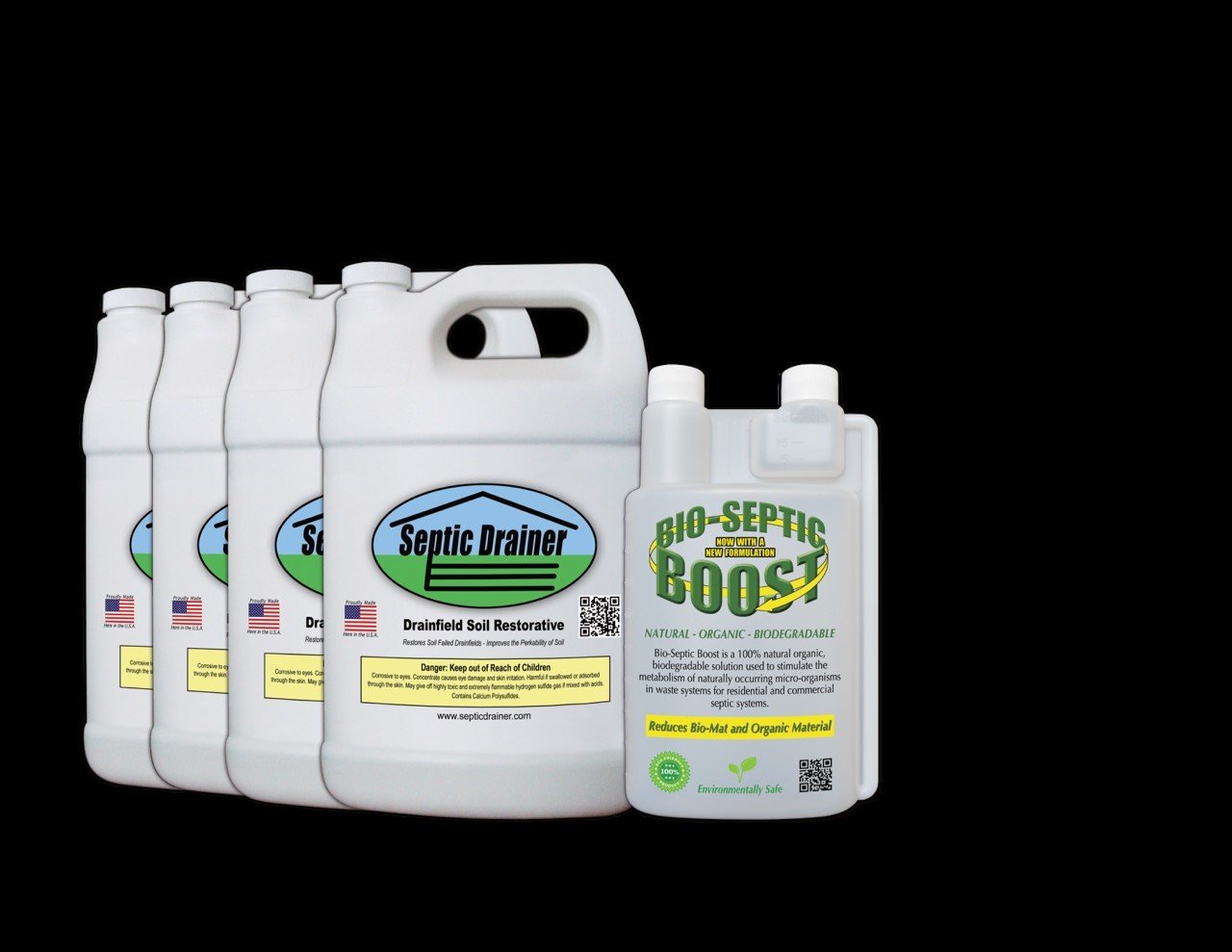
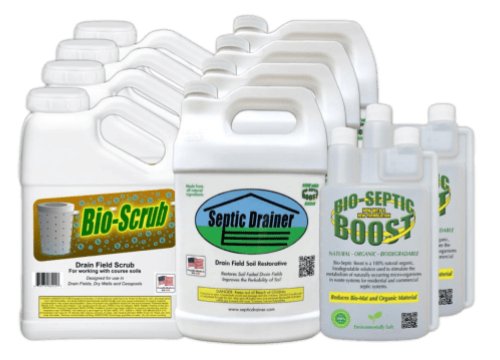
Different septic systems need different levels of care depending on the stage of failure. RCS II, Inc provides several kits tailored to system severity. For moderately failed systems in clay or sandy soils, a Drain Field Repair Kit includes four gallons of Septic Drainer and one quart of Bio-Septic Boost. This package helps open up clogged soil and revitalize microbial life, allowing the system to return to normal flow.

For older or severely impacted systems, the Mega Drain Field Repair Kit doubles the amount of treatment, helping to address extensive hard pan soil and deep-set Bio-Mat accumulation. Despite the higher volume of product, it remains an affordable choice for large-scale recovery.

The design of each kit includes user-friendly instructions. Homeowners, contractors, and septic professionals all rely on these repair tools to solve common issues without expensive excavation or replacement projects.

Long-Term Strategies to Prevent Recurrence

Once the system recovers, consistent maintenance is essential to keeping it functional. RCS II, Inc offers a Maintenance Starter Kit, which provides a cost-effective way to stay ahead of problems. The kit includes one gallon of Septic Drainer and a pint of Bio-Septic Boost, suitable for six months of preventative treatment.

Adding the solution directly to the toilet simplifies the process, ensuring it reaches the tank and then flows through to the drain field. This approach supports long-term performance, allowing systems to function smoothly and predictably year-round.

By using this preventative strategy, homeowners avoid emergency repairs and maintain proper wastewater treatment. It’s a smart, sustainable option that enhances the reliability of your septic system without relying on enzyme or bacteria-only treatments that don’t always reach the source of the problem.

Tips to Maintain a Healthy Septic System

Beyond chemical treatments, a few habits go a long way in protecting your drain field. Regular inspections help catch problems early. Avoid sending cooking grease, hygiene products, or harsh cleaning chemicals down the drain. These materials overload the system and disrupt the balance of beneficial bacteria.

Install a septic tank riser and marker for easier monitoring and access. This small investment helps identify problems quickly and reduces the time and cost involved in locating your tank. Combining responsible use with scheduled maintenance ensures your system performs as intended.

Septic Drainer’s ingredients have helped farmers manage similar soil and drainage issues for over five decades. With its addition to household septic care, effective leach field fix solutions are more accessible and practical than ever before.

Staying Prepared for the Unexpected

Even with the best care, sudden septic issues can still happen. Keeping an emergency kit on hand with additional Septic Drainer and Bio-Septic Boost ensures you’re not left scrambling. Acting quickly to restore drainage can stop damage from spreading and minimize disruption to your daily routine.

A sudden septic leach field failure demands swift and informed action. Understanding the contributing factors and using the right repair tools from RCS II, Inc gives homeowners the power to recover efficiently and without unnecessary cost. With proper steps, your system can bounce back and continue working reliably for years.

Conclusion: Turning Crisis into Control

Septic issues create stress, especially when the failure hits without warning. But effective solutions exist. From identifying early signs to applying the right treatment products, managing septic trouble is completely achievable without drastic measures.

RCS II, Inc. offers science-backed products like Septic Drainer and Bio-Septic Boost to tackle the actual causes of system failure—compacted soil, Bio-Mat, and imbalanced bacteria. With clear instructions and a practical approach, these tools restore flow and support healthy septic operation.

Whether you’re dealing with a minor backup or a sudden leach field fix scenario, the right response today can save thousands tomorrow. Stay informed, stay prepared, and take control of your septic system’s health with simple, proven methods.

Frequently Asked Questions

Q: What are the early warning signs of a septic leach field failure?

Slow drains, unpleasant odors near the drain field, and soggy spots in the yard can indicate an issue with septic leach field failure.

Q: Can a leach field fix be done without digging up the yard?

Yes, a leach field fix can often be achieved using soil conditioners and bio-stimulants that restore drainage without excavation.

Q: How does sodium buildup contribute to septic leach field failure?

Sodium binds with soil, forming a hard pan layer that blocks water absorption, leading to septic leach field failure over time.

Q: Is Septic Drainer an effective product for a leach field fix?

Septic Drainer helps improve soil permeability and airflow beneath drain field pipes, making it an effective choice for a leach field fix.

Q: What is Bio-Mat, and how does it relate to septic leach field failure?

Bio-Mat is a waste layer from anaerobic bacteria that builds up when soil becomes impermeable, often triggering septic leach field failure.

Q:  When should a homeowner consider a professional for a leach field fix?

If DIY kits don’t resolve the issue or foul odors persist, it may be time to get professional help for a more advanced leach field fix.

Q: Can routine maintenance prevent septic leach field failure?

Regular maintenance using proper treatments can prevent buildup and biological failure, reducing the risk of septic leach field failure.

From Treatment to Troubleshooting: Keeping Your Septic Leach Field Strong

A well-functioning septic leach field is crucial for the overall health of any septic system. Unlike the main tank, which holds wastewater temporarily, the leach field disperses the treated water safely back into the soil. Over time, the soil under the pipe gets compacted, leading to hardpan soil formation that reduces its ability to absorb wastewater. Problems can arise that lead to more complex and costly repairs. Repairing your septic drain field early is crucial to bind the soil.

Regular maintenance and understanding key issues help ensure a long-lasting, trouble-free septic system. This guide explores both preventative care and essential troubleshooting tips to keep septic leach fields strong and effective.

Understanding Septic Leach Field Failures

Septic leach fields can fail for several reasons, each of which affects how well the system handles wastewater. The two main culprits are compaction of soil and bio-mat buildup. These factors make it difficult for wastewater to absorb into the ground, leading to system backup or surface pooling.

  • Soil Compaction: As soil becomes compacted, it loses its ability to absorb water, creating a non-permeable layer, often referred to as hardpan soil formation. This can trap wastewater on the surface, leading to foul odors and the need for immediate attention.
  • Bio-Mat Accumulation: Bio-mat starts to form after the airflow stops due to a sodium layer building, typically settling at the bottom of the leach field trenches. When bio-mat builds up over time, it blocks water flow and contributes to leach field clogging.
  • Sodium Buildup: High sodium levels in wastewater bind with soil particles, further reducing permeability. This is particularly common in systems exposed to soft water treatments.
  • Organic Overloading: Excessive organic material in the system can throw off the bacterial balance, leading to bio-mat formation and clogging in the leach field.

These issues not only affect septic leach fields directly but also indicate the need for specialized septic treatments that go beyond regular maintenance.

Key Benefits of Septic Leach Field Treatment

Regular septic leach field treatment plays an essential role in extending the system’s lifespan. Many solutions on the market today, like the patented septic repair products from RCS II, Inc., specifically target common issues like compacted soil and bio-mat buildup

Septic Drainer is a soil conditioner designed to open and maintain drainage under your septic’s drain field pipes as the high-quality drain cleaner does not have bacteria or enzymes.

The benefits of such treatment are both preventative and restorative.

  • Enhanced Water Absorption: By breaking down bio-mat layers and restoring soil permeability, septic treatments help water seep into the ground efficiently.
  • Reduced Need for Expensive Repairs: Consistent maintenance prevents larger issues from developing, avoiding costly system overhauls.
  • Odor Control and Aesthetic Improvement: Regular treatment keeps foul odors from forming and minimizes pooling or soggy patches in the yard.

Effective Solutions for Troubleshooting Common Issues

Troubleshooting septic system issues requires targeted septic treatments. Common problems include slow drainage, standing water, and unpleasant odors. Each of these symptoms may indicate an underlying issue with the leach field or tank itself.

  • Slow Drains: When there is water accumulation in the lawn area, it could signal a blockage in the system, often related to bio-mat buildup in the leach field. Septic treatments can help break down these layers, restoring proper drainage.
  • Surface Pooling: If you notice wet spots or puddles in the yard above your leach field, it’s time to consider septic leach field treatment. These areas indicate that water is not absorbing as it should, likely due to compacted soil or bio-mat obstruction.
  • Foul Odors: Unpleasant odors around the leach field or tank may mean anaerobic bacteria have overtaken the system, creating an excess of bio-mat. Septic treatments, such as a bio-stimulant like Bio-Septic Boost, help boost aerobic bacteria levels, reducing bio-mat growth and neutralizing odors.

Specialized Septic Leach Field Treatment Options

Different septic treatment options cater to various types of septic issues, from minor clogs to advanced system failures. RCS II, Inc. provides several treatment kits designed to address specific leach field challenges. The septic drainer products restore the permeability of your soil and eliminate Bio-Mat issues.

  • Drain Field Repair Kits for Clay and Sandy Loam Soils: These kits include septic drainer products such as Bio-Septic Boost is a bio-stimulant nutrient made from a sea plant extract that enhances the biological activity of your septic system to eliminate Bio-Mat.
  • Mega Drain Field Repair Kit: For systems with advanced or severe failures, the Mega Kit contains additional components to combat sodium buildup and hard-pan soil. This option is ideal for older or heavily impacted leach fields, providing quick recovery by breaking up compacted soil and restoring bacterial balance.
  • Maintenance Starter Kit: Aimed at homeowners wanting to maintain their septic system, the starter kit includes a septic drainer and Bio-Septic Boost. Regular use prevents common issues, maintaining the biological health of the system and keeping the leach field in optimal condition.

These options not only address symptoms but tackle root causes, ensuring that septic systems function efficiently for years.

Preventing Leach Field Issues Before They Arise

While treatment options are crucial, preventing issues is just as important. Routine septic treatments are one of the most effective ways to keep a system healthy, but there are additional preventive steps every homeowner can take.

  • Limit the Use of Water-Softening Agents: Sodium-based water softeners contribute to hard-pan formation. If water softeners are necessary, consider treatments that address sodium buildup in the leach field.
  • Regularly Inspect and Maintain System Components: Every few months, inspect the area around the leach field for pooling water or foul odors. If you notice these signs, it’s best to address them immediately with a septic leach field treatment plan.
  • Be Mindful of What Goes Down the Drain: Avoid flushing non-biodegradable items, excessive grease, or harsh chemicals, as these can disrupt bacterial balance and contribute to bio-mat formation.
  • Add Bio-Septic Boost Regularly: Bio-Septic Boost enhances aerobic bacteria in the septic system, supporting the natural breakdown of waste and keeping the bio-mat layer in check.

Recognizing When Professional Intervention Is Necessary

While many septic treatments are accessible for homeowners, certain issues may require professional intervention. It’s wise to consult a septic specialist if you encounter persistent problems like repeated pooling or continuous foul odors, even after treatment. Professionals use advanced tools to diagnose issues deep within the leach field and can recommend targeted solutions like the Mega Drain Field Repair Kit.

Professional consultation is especially helpful when dealing with older systems or severe hard-pan soil issues. RCS II, Inc. Mega Kit is a trusted option for systems in advanced stages of failure, utilizing both a septic drainer and Bio-Septic Boost to renew soil health and restore system function.

Long-Term Benefits of Proactive Septic System Care

With consistent maintenance and proactive septic leach field treatment, homeowners can extend the life of their septic systems significantly. Leach field problems left unchecked lead to system failure, requiring costly overhauls that can disrupt daily life and budgets. Regular septic treatments reduce the risk of such issues, making them an investment in both convenience and peace of mind.

  • Cost Savings: Treatments that address bio-mat and compacted soil save thousands in replacement costs, helping homeowners avoid large-scale repairs.
  • Eco-Friendly Waste Disposal: A well-maintained septic system filters wastewater safely back into the ground, protecting local water sources and promoting a healthy environment.
  • Enhanced Property Value: A properly functioning septic system is a valuable asset, enhancing property appeal and resale value. Buyers are more likely to invest in properties with maintained septic systems, given the potential costs of replacement.

Final Thoughts

Investing in septic leach field treatment provides long-term benefits and protects your property’s value and environment. With specialized options like RCS II, Inc. repair kits, addressing issues like bio-mat buildup, compacted soil, and hard-pan formation becomes manageable and cost-effective. Regular maintenance, coupled with the right septic treatments, keeps leach fields performing optimally for years to come.

A strong septic system depends on diligent care, a proactive approach, and reliable products that go beyond temporary fixes. Whether troubleshooting a minor issue or preventing future failures, proper maintenance safeguards your investment, your property, and the surrounding environment.

[/fusion_text][/fusion_builder_column][/fusion_builder_row][/fusion_builder_container]

Protect Your Lawn from Wet Spots: Solutions for Clogged Leach Fields

Homeowners with septic systems know how essential a functioning leach field is to the health of their property. Leach fields, also known as drain fields, play a vital role in wastewater management. But when a leach field becomes clogged, it can cause wet spots in your yard, foul odors, and even potential system failures. A variety of factors contribute to clogged leach fields, but with the right approach and tools, including quality products like those from RCS II, Inc., homeowners can prevent and repair leach field issues effectively.

What Causes a Clogged Leach Field?

The functionality of a leach field relies on its soil’s ability to absorb and filter wastewater. Over time, the soil under the pipe gets compacted, leading to hardpan soil formation that reduces its ability to absorb wastewater. Here is the detailed explanation behind the clogged leach field

  • Soil Compaction: One primary cause of leach field failure is soil compaction, which occurs when soil particles are pressed tightly together, restricting the flow of wastewater. This compaction often happens due to sodium buildup, which binds soil particles together, forming the hardpan soil. This dense, impermeable layer can trap wastewater at the surface, leading to pooling and wet spots on the lawn.
  • Bio-Mat Accumulation: Bio-Mat starts to form after the airflow stops due to a sodium layer building. This layer, formed by anaerobic bacteria, builds up over time and blocks the flow of water into the soil. While bio-mat is a symptom of drain field failure, treating it alone won’t solve the problem; it’s crucial to address the hard-pan soil layer to restore drainage fully.
  • Organic Overloading: When a system receives too much organic material, it can cause imbalances, allowing bacteria to form blockages. Excessive amounts of organic waste and debris can overload the system, clogging pipes and further stressing the leach field.

These common causes of clogged leach fields emphasize the importance of regular maintenance and the use of effective septic products. Repairing your septic drain field early is crucial to binding the soil and the Septic Drainer is competent to fulfill your requirement to repair a clogged field due to soil compaction, biomat accumulation as well as too much organic material. Septic Drainer is a soil conditioner designed to open and maintain drainage under your septic’s drain field pipes.

Septic Drainer: A Proven Solution for Clogged Leach Fields

When facing wet spots in the yard, many homeowners turn to septic system repair products to help alleviate the problem. Septic Drainer, developed by RCS II, Inc., has become a preferred choice for tackling the root causes of septic issues. Septic Drainer repairs the hard-pan soil that contributes to leach field clogging and has been effectively used by homeowners, contractors, and septic professionals to refresh & restore soil draining capability.

Septic Drainer’s powerful formula loosens compacted soil, allowing it to absorb water efficiently again. This product also includes Bio-Septic Boost, a bio-stimulant nutrient that promotes beneficial bacterial growth, helping restore natural balance to the system. The Bio-Septic Boost is made from kelp, which has been shown to boost bacterial activity by up to 50%, speeding up the breakdown of bio-mat and other organic materials clogging the field.

Wet Spots and the Importance of a Water Softener

Water softeners are popular among homeowners who want to reduce mineral buildup in their pipes and appliances. However, the use of a water softener can lead to sodium buildup in the soil, contributing to hard pan formation and ultimately clogging the leach field. This buildup happens when softened water, rich in sodium, is released into the septic system, eventually reaching the leach field and combining with the soil particles.

A wet spot water softener can be an effective way to address this issue. By using a water softener specifically designed to manage sodium levels, you can reduce the risk of soil hardening and prevent leach field clogs. Septic Drainer works well alongside a wet spot water softener to maintain a balanced soil environment, keeping it permeable and receptive to wastewater.

Bio-Mat Build-Up: A Symptom to Identify Leach Field Failure

Bio-mat buildup often appears in leach fields and can hinder proper wastewater drainage. However, it’s essential to recognize that bio-mat is a symptom of leach field failure rather than the primary cause. While removing bio-mat can help restore drainage, it’s crucial to address the root issue—hardpan soil. Septic Drainer tackles this underlying problem, breaking down the compacted soil layer so that water can once again flow smoothly through the field.

To eliminate bio-mat, it’s important to reintroduce airflow into the soil. By applying Septic Drainer and Bio-Septic Boos,  these products restore the penetrability of your soil and eliminate Bio-Mat issues. This treatment is part of a holistic approach to managing a septic system, helping homeowners achieve a healthy, balanced environment for wastewater filtration.

Septic Drainer is a soil conditioner designed to open and maintain drainage under your septic’s drain field pipes. This high-quality drain cleaner does not have bacteria or enzymes thereby being effective in restoring clogged fields. Other than this, Bio-Septic Boost is a bio-stimulant nutrient made from a sea plant extract that enhances the biological activity of your septic system to eliminate Bio-Mat.

Repair Kits for Different Septic Conditions

RCS II, Inc. provides a variety of septic repair kits designed to meet specific needs based on soil type, leach field condition, and system size. Each kit includes easy-to-follow instructions and effective tools to restore a clogged or moderately failed septic system.

  1. Drain Field Repair Kit for Clay and Sandy Soils: This all-natural kit is ideal for homeowners dealing with moderate failures in clay or sandy soils. It includes Septic Drainer and Bio-Septic Boost, offering a complete solution for breaking up compacted soil and encouraging bacterial growth to consume bio-mat. This repair kit helps eliminate foul odors, wet spots, and clogged drain issues, all without requiring costly repairs or replacements.
  1. Mega Drain Field Repair Kit for Older Systems: For larger, older systems suffering from extreme failures, the Mega Kit provides a double supply of Septic Drainer and Bio-Septic Boost to rejuvenate hard-pan soil and consume bio-mat more efficiently. This kit is perfect for homeowners needing a faster recovery, as it helps to restore drainage quickly, even in heavily impacted soils.
  1. Septic Maintenance Starter Kit: Preventative care is often the most cost-effective approach to septic maintenance. RCS II, Inc.’s starter kit offers a long-term maintenance solution, helping to maintain biological health in the septic system. With regular use, this kit prevents soil from binding up and maintains drain field functionality.

Effective Leach Field Maintenance Tips

  1. Use Septic Drainer Regularly: By incorporating Septic Drainer into a routine maintenance plan, homeowners can prevent hard pan soil formation and maintain a healthy, functioning leach field. Regular use of this product, along with Bio-Septic Boost, improves the soil’s natural drainage ability.
  1. Reduce Organic Overloading: Avoid flushing large quantities of organic material, grease, or other debris down the drain. These substances can strain the system, causing clogs and bacterial imbalances that lead to bio-mat buildup and leach field clogging.
  1. Install a Wet Spot Water Softener: Using a water softener that minimizes sodium levels helps prevent soil compaction in the leach field, reducing the risk of clogging. Wet spot water softeners are specifically designed to prevent sodium from binding soil particles, ensuring continued permeability.
  1. Routine Inspections: Regular inspections by a septic professional can help detect issues early and allow for timely maintenance. This proactive approach prevents costly repairs and keeps the system running smoothly.

The Benefits of Maintaining a Healthy Septic System

A well-maintained septic system offers numerous benefits, from increased property value to reduced environmental impact. A functioning leach field ensures that wastewater is filtered effectively, protecting the groundwater and surrounding ecosystem. Furthermore, taking preventative steps reduces the likelihood of system failure, which can be costly to repair and inconvenient for homeowners.

How RCS II, Inc. Products Help Homeowners?

RCS II, Inc.’s products provide a comprehensive solution for homeowners looking to maintain or repair their septic systems. Septic Drainer not only addresses hard pan soil but also fosters an environment where natural bacteria can flourish. This balanced approach, combined with products like the Bio-Septic Boost, ensures that every aspect of leach field health is considered.

With these solutions, homeowners no longer need to dig up and replace their soil, which can be a costly and time-consuming process. Septic Drainer refreshes the soil, breaking up compacted layers and reintroducing beneficial bacteria. Whether dealing with a clogged leach field or attempting to prevent future issues, RCS II, Inc. offers reliable, easy-to-use products that simplify septic maintenance and improve system longevity.

Conclusion

Protecting your lawn from wet spots caused by a clogged leach field is achievable with the right approach and products. By understanding the causes of leach field failure and using targeted solutions, homeowners can maintain a healthier septic system, saving time, and money, and protecting their property from damage. Products like Septic Drainer and Bio-Septic Boost are essential in this process, giving you peace of mind while ensuring your septic system functions effectively.

[/fusion_text][/fusion_builder_column][/fusion_builder_row][/fusion_builder_container]

The Science Behind Septic Treatments: What Works Best?

Maintaining a vigorous septic system is vital for every homeowner. Without proper care, these systems can lead to costly repairs and disruptions. Fortunately, there are operational solutions available to prevent and address septic tank issues. In this comprehensive guide, we’ll delve into the science behind septic treatments, exploring what works best for optimal system performance.

  • Understanding Septic Treatments

Septic treatments play a vital role in preserving the functionality of your system. Whether you’re dealing with clogged drain fields, foul odors, or slow drains, the proper treatment can make all the difference. However, with abundant products on the market, it can be puzzling to determine which ones are truly effective.

  • The Role of Septic Drainer

One standout solution in the realm of septic treatments is a Septic Drainer. Developed by RCS II, Inc., Septic Drainer is a patented formula designed to prevent and repair various septic system issues. What sets Septic Drainer apart is its unique blend of high-quality ingredients, carefully formulated to rejuvenate soil and restore failed systems.

Benefits of Septic Drainer

Septic Drainer offers several critical benefits for homeowners:

  • Cost-Effective Maintenance: By using a Septic Drainer, homeowners can evade costly repairs and prolong the lifespan of their septic systems. This proactive approach to maintenance can save thousands of dollars in the long run.
  • Soil Restoration: Unlike other products that require digging up and replacing soil, Septic Drainer works to refresh existing soil, effectively addressing drain field problems without the need for extensive excavation.
  • Professional Endorsement: Septic Drainer is not only trusted by homeowners but also endorsed by septic services professionals worldwide. Its efficacy in restoring drainage and solving septic issues has made it a go-to solution in the industry.

Choosing the Right Treatment Kit

Septic Drainer offers a range of repair kits tailored to different septic system needs:

  • Drain Field Repair Kit: Ideal for moderately failed systems in various soil types, this kit includes Septic Drainer and Bio-Septic Boost to break up clogged soil and restore drainage.
  • Mega Drain Field Repair Kit: Designed for extremely failed systems in fine soils, this kit provides double the product for quicker recovery and enhanced soil repair.
  • Septic Maintenance Starter Kit: For proactive system maintenance, this kit includes everything needed to prevent costly repairs and improve overall system flow.
  • Septic Maintenance Starter Kit: Ensures regular treatment and maintenance of your septic system, preventing soil binding and maintaining biological health.

Ensuring Long-Term System Health

Regular maintenance is crucial in stretching the life of your septic system. With Septic Drainer’s comprehensive maintenance kit, you can enjoy hassle-free system care for years to come. By investing in annual treatment, you’ll safeguard your system against unexpected expenses and ensure optimal functionality.

Addressing Common Septic System Challenges

Septic systems can encounter various challenges, from drain field failure to foul odors and slow drains. Understanding the primary causes of these issues is crucial for effective treatment and prevention.

  • The Role of Sodium and Soil Compaction

One common cause of septic drain field failure is the presence of sodium in the soil, which leads to soil compaction and reduced drainage capacity. Septic Drainer’s unique formula targets this issue by breaking up compacted soil and restoring optimal drainage.

  • Preventing Organic Overloading

Organic overloading is another factor that can contribute to septic system failure. When too much waste accumulates in the system, it can overwhelm the natural biological processes, leading to clogs and foul odors. Septic Drainer‘s Bio-Septic Boost enhances microbial activity, ensuring efficient waste breakdown and preventing organic overload.

Choosing the Right Treatment Approach

When selecting a septic treatment approach, it’s essential to consider the precise needs of your system. Whether you’re dealing with a moderately failed drain field or an immensely failed system, Septic Drainer offers tailored solutions to report your unique challenges. In addition to addressing existing issues, proactive maintenance is essential for preventing future problems. Septic Drainer’s maintenance kits provide a convenient way to maintain the health and functionality of your septic system, ensuring long-term performance and cost savings.

Conclusion

When it comes to best septic treatments, Septic Drainer stands out as a reliable solution for homeowners. Its proven efficacy, cost-effectiveness, and professional endorsement make it the go-to choice for addressing septic system issues. With a range of repair kits and maintenance options available, homeowners can take proactive steps to preserve the health and longevity of their septic systems. Say goodbye to costly repairs and avail hassle-free maintenance with Septic Drainer.

Digging Deep: The Ultimate Guide to Finding the Best Septic Leach Field Cleaner

Maintaining a septic system is crucial for the health of your home and environment. When it comes to confirming optimal functionality and preventing costly repairs, finding the right septic system cleaner is paramount. In this comprehensive guide, we delve into the world of septic maintenance, focusing on the most effective solutions to keep your system running smoothly. Discover how products like Septic Drainer from RCS II, Inc. can revolutionize your septic care routine.

Understanding Septic System Cleaner: A Closer Look

Before delving into specific products, it’s essential to understand the role of a septic system cleaner. Unlike conventional cleaning agents, septic cleaners are specially formulated to target the unique challenges faced by septic systems. These challenges often include clogged drain fields, foul odors, and bio-mat buildup. A high-quality septic system cleaner addresses these issues effectively, restoring the system’s functionality without the need for costly repairs.

The Power of Septic Drainer: Your Ultimate Solution

Enter Septic Drainer, the industry-leading septic system cleaner developed by RCS II, Inc. With a rich history rooted in agricultural practices, Septic Drainer boasts a proven track record of success. Farmers have relied on its ingredients for over 50 years to address septic issues effectively. Recognizing the need for a reliable solution in residential settings, RCS II, Inc. harnessed this agricultural wisdom to create Septic Drainer—a powerful yet eco-friendly product designed to tackle septic problems head-on.

Critical Benefits of Septic Drainer:

  • It prevents a wide range of septic issues that lead to field failure.
  • Refreshes soil and restores failed septic systems without the need for costly excavation.
  • Save homeowners thousands of dollars in repair overheads. By leveraging a unique patent-pending formula, Septic Drainer stands out from other products on the market. Its blend of high-quality ingredients effectively treats clogged soil, addressing the root cause of septic problems. Whether you’re dealing with foul odors, slow drains, or saturated spots on your property, Septic Drainer offers a reliable solution.

Targeted Solutions for Every Situation

RCS II, Inc. understands that not all septic systems are alike. That’s why they offer a range of targeted solutions to address various issues effectively with the best septic leach field cleaner. From moderately failed systems to larger, older ones, there’s a Septic Drainer kit suited to your needs. Each kit comes with detailed instructions for easy application, ensuring hassle-free maintenance.

Ensuring Long-Term Success: Septic Maintenance Starter Kit

For proactive homeowners looking to extend the lifespan of their septic system, the Septic Maintenance Starter Kit is the perfect solution. This all-inclusive kit takes account of one gallon of powerful Septic Drainer, along with Bio-Septic Boost—a bio-stimulant nutrient derived from natural compounds like Kelp. By maintaining your septic system’s biological health, this kit helps prevent costly repairs and disruptions.

Maximizing Efficiency with Subscription Services

For homeowners committed to ongoing septic system maintenance, the Septic Maintenance Starter Kit Subscription offers unparalleled convenience. By receiving a new kit every six months, you can stay in advance to prevent potential issues and keep your system running smoothly year-round. With all-natural ingredients and easy-to-use products, maintaining your septic system has never been simpler.

The Ultimate Solution: One-Year Supply for Hassle-Free Maintenance

For those seeking the ultimate solution in septic system care, look no further than the Septic System Tank besides the Drain Field Repair and Maintenance Kit. This comprehensive one-year supply includes everything you need to safeguard your system’s longevity and functionality. From Septic Drainer to Bio-Septic Boost, each component works synergistically to prolong your system’s life and minimize the risk of costly repairs.

Final Thoughts

Maintaining a healthy septic system is critical for the well-being of your home and the environment. With the best septic leach field cleaner septic leach field cleaner launched by RCS II, Inc., you can address common septic issues effectively and affordably. By investing in proactive maintenance and targeted solutions, you can enjoy peace of mind knowing that your septic system is in good hands. Say goodbye to septic headaches and hello to hassle-free maintenance with Septic Drainer.

Leach Field Fixes without Hassle: Local Repair Experts You Can Count On

A leach field, also known as a drain field, plays a crucial role in a septic system by filtering and dispersing the wastewater safely into the soil. Unfortunately, like any part of a septic system, leach fields can develop problems that require immediate attention. If you’re facing issues with your leach field, you might feel overwhelmed by the potential costs and labor involved. However, there are ways to handle these problems efficiently without much hassle. Understanding the causes of these failures and knowing the right solutions can make all the difference.

Common Causes of Leach Field Failures

A leach field can fail for various reasons, but understanding the most common causes is key to selecting the proper solution. Soil compaction, bio-mat accumulation, sodium buildup, and organic overloading are the primary reasons behind most leach field problems. Recognizing these causes early on can help you take proactive measures to keep your system in good shape.

  • Soil Compaction: Over time, the soil in a leach field can become compacted, making it difficult for wastewater to be absorbed. This often results from heavy foot traffic, parked vehicles, or natural settling of the ground. A common consequence of soil compaction is the formation of hard-pan soil, where a non-permeable layer prevents water from flowing through.
  • Bio-Mat Accumulation: When wastewater does not drain correctly, a slimy layer called bio-mat forms at the bottom of the leach field trenches. This layer, made up of anaerobic bacteria waste, further restricts the flow of water, creating a backup in the system. Addressing bio-mat accumulation is vital for a successful leach field fix.
  • Sodium Buildup: Sodium in wastewater can bind with soil particles, causing the soil to lose its permeability. This condition, also known as hard-pan soil, leads to reduced absorption rates and the eventual failure of the leach field. A comprehensive solution, such as a septic drainer, can effectively address sodium buildup and restore the soil’s natural absorption capacity.
  • Organic Overloading: Excess organic matter can overwhelm the septic system, disrupting bacterial balance and causing clogging in the leach field. Regular maintenance and the correct use of additives can help manage the levels of organic material and keep the system functioning properly.

Why Opt for a Leach Field Repair Near You?

When it comes to finding a “leach field repair near you,” local repair experts can offer fast and reliable service, tailored to the specific needs of your region. Local professionals understand the soil types, weather conditions, and other unique factors that can affect your leach field’s performance. Additionally, choosing local services means quicker response times and better communication, ensuring that your leach field is fixed efficiently and effectively.

Effective Solutions for Leach Field Fixes

Choosing the right method for a leach field fix can save you from future headaches and expenses. Here are some proven solutions that can restore your leach field’s functionality without the need for costly replacements:

  1. Septic Drainer: This patented product provides a reliable way to address various septic issues, including leach field failure. Septic Drainer works by breaking down sodium buildup, aerating the soil, and boosting bacterial activity, which restores the leach field’s ability to absorb wastewater. Using this product prevents the need to dig up and replace the old soil, saving both time and money.
  1. Bio-Septic Boost: Another effective method involves using a bio-stimulant nutrient, such as Bio-Septic Boost, to enhance bacterial activity in the soil. Made from natural ingredients like kelp, this product increases bacteria levels by up to 50%, helping to break down bio-mat and restore drainage.
  1. Leach Field Repair Kits: For those who prefer a comprehensive solution, repair kits like the Septic Drain Field Repair Kit or the Mega Drain Field Repair Kit offer everything needed to restore failing systems. These kits include septic drainers and bio-stimulants, designed to treat specific types of soil and septic system failures. Each kit comes with detailed instructions, making it easy for homeowners or professionals to use effectively.

Choosing the Right Leach Field Repair Kit for Your Needs

There are different types of leach field repair kits available, each tailored to specific problems and soil conditions. Here’s a closer look at some of the popular options:

  • Septic Drain Field Repair Kit: Ideal for systems in clay, sandy loam, or gravel-based soils, this kit targets moderately failed leach fields and drain fields. It includes components that break up clogged soil and enhance bacterial activity, which helps restore proper drainage.
  • Mega Drain Field Repair Kit: Designed for older or more severely failed systems, this kit contains twice the amount of septic drainer and other essential ingredients, such as Bio-Septic Boost. The Mega Kit is particularly effective for systems impacted by hard-pan soils and severe sodium buildup.
  • Septic Maintenance Starter Kit: A great option for those looking to maintain their septic systems and prevent future problems, this starter kit includes septic drainer, Bio-Septic Boost, and a septic tank location marker. It offers a convenient and cost-effective way to keep your leach field in top condition year-round.

Preventive Measures for a Healthy Leach Field

Prevention is always better than cure. To avoid the need for a costly leach field repair near you, consider the following preventive measures:

  • Regular Inspections: Have your septic system inspected regularly by a professional to catch early signs of trouble. Early detection of issues can prevent larger problems from developing down the line.
  • Proper Maintenance: Use septic additives like Septic Drainer and Bio-Septic Boost periodically to maintain the biological health of your system. These products prevent soil compaction, sodium buildup, and bio-mat accumulation, all of which are common causes of leach field failure.
  • Avoid Excessive Water Use: Reducing the amount of water entering your septic system can help prevent overloading. Install water-saving fixtures and be mindful of your water usage to prolong the life of your leach field.
  • Limit Heavy Traffic: Avoid parking vehicles or placing heavy objects over the leach field area, as this can cause soil compaction and damage the pipes. Keeping the area clear will help maintain the integrity of the leach field.

How to Address Common Leach Field Problems?

When a leach field begins to show signs of failure, prompt action is necessary to prevent further damage. Some of the common problems include foul odors, slow drainage, and wet spots on the lawn. Here’s how to address these issues:

  • Odors: If you notice foul smells coming from your drains or yard, it could indicate a failing leach field. Using products like Septic Drainer can help break down bio-mat and eliminate the source of the odor.
  • Slow Drainage: Multiple slow-running drains can be a sign that your leach field is struggling to absorb wastewater. A septic drainer, combined with Bio-Septic Boost, can help restore proper flow by breaking down clogs and enhancing bacterial activity.
  • Wet Spots on Lawn: Pooling water or wet spots in your yard often point to a saturated leach field. A repair kit, such as the Mega Drain Field Repair Kit, is designed to treat these conditions by breaking up the compacted soil and restoring drainage.

Benefits of Using Septic Drainer Products

Septic Drainer products offer a range of benefits for homeowners dealing with leach field issues. These products are designed to tackle specific problems effectively while providing long-term solutions for septic system maintenance:

  • Cost-Effective: By preventing the need for digging up and replacing soil, these products save you thousands of dollars in repair costs.
  • Environmentally Friendly: Made from natural ingredients, they provide a safe way to maintain and restore septic systems.
  • Easy to Use: With straightforward instructions and no need for specialized equipment, these products are user-friendly for both homeowners and professionals.

When to Call a Local Expert for Leach Field Repair?

While many leach field issues can be resolved with DIY solutions, certain situations may require professional intervention. It’s important to call a local expert if you notice persistent problems like:

  • Continued Sewage Backups: If your system continues to back up despite attempts to fix it, professional help is needed.
  • Severe Odors and Pooling: When foul smells or standing water becomes a recurring issue, a thorough inspection by a professional is necessary.
  • Multiple Failing Components: If more than one part of your septic system is failing, a local expert can provide a comprehensive assessment and solution.

Conclusion

A leach field is an essential component of your septic system, and keeping it in good working order is vital for maintaining the overall health of your property. Whether you’re dealing with bio-mat buildup, soil compaction, or sodium-induced hard-pan, there are effective solutions available that don’t require a full system replacement.

Utilizing products like Septic Drainer and Bio-Septic Boost, along with choosing the right leach field repair kits, can offer hassle-free fixes and long-term benefits. Remember, regular maintenance and early intervention are key to preventing serious septic issues. By relying on local repair experts, you can ensure that your leach field remains efficient, safe, and trouble-free.

[/fusion_text][/fusion_builder_column][/fusion_builder_row][/fusion_builder_container]

Dealing with a Septic Seepage Pit? Here’s How a Water Softener Hurts Your Seepage Pit.

When dealing with septic issues, one common yet often overlooked problem is a septic seepage pit. Also known as a dry well, it is a vertical underground structure designed to absorb wastewater. When functioning properly, it helps to filter and disperse the liquid from a septic tank into the surrounding soil. However, when a septic seepage pit fails, it can lead to a variety of problems, such as foul odors, surface pooling, and overall system failure. The reasons for these failures are often complex, involving everything from soil compaction to the accumulation of bio-mat and sodium buildup.
The first sign that a septic seepage pit is failing might be the appearance of a wet spot or foul smell on your property. Other symptoms can include slow-draining sinks and toilets, backed-up wastewater, and the presence of saturated patches in your yard. If left unattended, these problems can worsen, leading to costly repairs or even a complete system overhaul. This is where understanding the root causes and finding effective solutions becomes essential.

How Sodium Buildup Affects a Septic Seepage Pit?

One of the key factors that can cause a septic seepage pit to malfunction is sodium buildup. Sodium, commonly found in household water supplies, can mix with soil particles in the seepage pit, creating a hard, non-permeable layer. This condition, known as hard pan soil, prevents water from filtering through the soil properly. Over time, this can lead to blockages and backups within the septic system.
Septic systems rely on a delicate balance of bacteria to break down waste. When sodium binds to soil particles, it can disrupt this balance, reducing the soil’s ability to absorb wastewater. The result is a failed or failing septic seepage pit that no longer effectively filters or disperses liquid waste. The role of sodium in this process highlights the importance of managing water quality as part of overall septic system maintenance.
Common Causes of Septic Seepage Pit Problems
Septic seepage pits can fail for several reasons, and understanding these causes is the first step in addressing the issue effectively. Some of the most common causes of septic seepage pit problems include:

  • Soil Compaction: Over time, the soil surrounding the seepage pit can become compacted due to heavy usage or environmental factors. Compacted soil has a reduced capacity to absorb wastewater, leading to backups and overflow.
  • Bio-Mat Accumulation: A bio-mat is a layer of organic material that forms at the bottom of the seepage pit, consisting primarily of waste products from anaerobic bacteria. When this bio-mat becomes too thick, it can block the flow of wastewater, resulting in poor drainage and surface pooling.
  • Sodium Buildup: As discussed earlier, sodium in wastewater can bind with soil particles, creating a hard pan effect that impedes absorption. This is a leading cause of septic system failures and highlights the importance of water quality management.
  • Organic Overloading: Excessive organic materials, such as fats, oils, and grease, can overload the septic system. When this happens, bacterial imbalances occur, leading to clogging and eventual failure of the septic seepage pit.

To effectively deal with these issues, it is essential to adopt a proactive approach to septic maintenance, including regular inspections and the use of appropriate additives or treatments.
How Septic Drainer Products Can Help with Septic Seepage Pit Issues?
RCS II, Inc. offers a range of products specifically designed to address septic seepage pit problems, including their patented Septic Drainer. This product is an additive that works by breaking up compacted soil and restoring the natural filtration capabilities of your septic system. Unlike many other products on the market, Septic Drainer goes beyond treating just the tank, addressing the underlying soil conditions that lead to septic failure.
Septic Drainer is formulated to tackle the hard pan soil condition caused by sodium buildup. It refreshes the soil, dissolving the non-permeable layer and allowing water to pass through once again. Additionally, it helps break down bio-mat layers, restoring the drainage capacity of the septic seepage pit. The product is blended with high-quality ingredients and is backed by decades of proven results, making it a cost-effective solution for homeowners dealing with failing septic systems.
Why Consider a Wet Spot Water Softener as Part of Your Septic Solution?
Adding a wet spot water softener to your septic maintenance routine can provide an extra layer of protection against septic seepage pit failure. By reducing the sodium content in your household water, a water softener helps to prevent the formation of hardpan soil, allowing your septic system to function more efficiently. This, in turn, reduces the risk of costly repairs and extends the life of your system.
When used in combination with products like Septic Drainer, a water softener can create a comprehensive approach to septic maintenance. While Septic Drainer addresses the immediate issues of soil compaction and bio-mat buildup, a water softener helps to prevent future problems by managing water quality. Together, these tools can help keep your septic seepage pit in good working order for years to come.
Choosing the Right Solutions for Septic System Care
Selecting the right products and solutions for septic system care involves understanding your unique needs and the specific issues facing your system. For homeowners dealing with sodium buildup and compacted soil, a combination of a wet spot water softener and a Septic Drainer can provide a targeted approach to solving these problems. The key is to adopt a proactive strategy that includes regular maintenance, proper water management, and the use of effective treatments.
Septic Drainer’s repair kits come with easy-to-follow instructions and are suitable for various soil types, including clay, sandy loam, and gravel-based soils. Whether you are dealing with a moderately failed septic seepage pit or a more severely compromised system, there is a kit designed to meet your needs. The addition of Bio-Septic Boost, a scientifically engineered bio-stimulant, further enhances the effectiveness of these kits by promoting the growth of essential bacteria that help break down organic waste.
Understanding the Impact of Bio-Mat on Septic Seepage Pits
Bio-mat accumulation is another common issue that can affect the performance of a septic seepage pit. Bio-mat forms when waste products from anaerobic bacteria create a slimy layer at the bottom of the pit. Over time, this layer can become thick enough to block the flow of wastewater, leading to backups and surface pooling. Removing this bio-mat is crucial to restoring proper drainage.
One of the ways to deal with bio-mat is through the introduction of aerobic bacteria, which can consume the bio-mat and break it down. Products like Septic Drainer help to open up the soil, allowing for increased airflow and promoting the growth of these beneficial bacteria. Additionally, using a wet spot water softener can reduce the amount of sodium in your wastewater, which further helps to prevent bio-mat buildup.
How Regular Maintenance Can Extend the Life of Your Septic Seepage Pit?
Preventive maintenance is essential for extending the life of your septic seepage pit. Regular inspections, timely pumping, and the use of effective products like Septic Drainer and wet spot water softeners can help keep your system in good working order. These measures reduce the likelihood of costly repairs and ensure that your septic system continues to function efficiently for years to come.
Investing in a septic maintenance starter kit can be a cost-effective way to stay on top of your septic system’s needs. These kits typically include everything you need to maintain your system, from septic additives to bio-stimulants. By incorporating these products into your regular maintenance routine, you can prevent small problems from turning into larger issues, saving time, money, and hassle.
Final Thoughts: The Importance of a Holistic Approach to Septic Care
Dealing with a septic seepage pit can be challenging, but with the right approach, it is manageable. Understanding the causes of failure, such as sodium buildup and bio-mat accumulation, is the first step in finding effective solutions. Incorporating a wet spot water softener and using products like Septic Drainer can provide a comprehensive strategy for maintaining your septic system and avoiding costly repairs.
By taking a proactive approach to septic maintenance, you can protect your investment and ensure the longevity of your system. Whether you are dealing with a failing septic seepage pit or simply looking to prevent future problems, these solutions offer a practical and effective way to keep your system running smoothly. Remember, regular maintenance and proper care are the keys to a healthy, long-lasting septic system.
[/fusion_text][/fusion_builder_column][fusion_builder_column type=”1_1″ layout=”1_1″ background_position=”left top” background_color=”” border_color=”” border_style=”solid” border_position=”all” spacing=”yes” background_image=”” background_repeat=”no-repeat” padding_top=”” padding_right=”” padding_bottom=”” padding_left=”” margin_top=”0px” margin_bottom=”0px” id=”” animation_type=”” animation_speed=”0.3″ animation_direction=”left” hide_on_mobile=”small-visibility,medium-visibility,large-visibility” center_content=”no” last=”true” min_height=”” hover_type=”none” link=”” border_sizes_top=”” border_sizes_bottom=”” border_sizes_left=”” border_sizes_right=”” first=”true”][fusion_text]
When dealing with septic issues, one common yet often overlooked problem is a septic seepage pit. Also known as a dry well, it is a vertical underground structure designed to absorb wastewater. When functioning properly, it helps to filter and disperse the liquid from a septic tank into the surrounding soil. However, when a septic seepage pit fails, it can lead to a variety of problems, such as foul odors, surface pooling, and overall system failure. The reasons for these failures are often complex, involving everything from soil compaction to the accumulation of bio-mat and sodium buildup.
The first sign that a septic seepage pit is failing might be the appearance of a wet spot or foul smell on your property. Other symptoms can include slow-draining sinks and toilets, backed-up wastewater, and the presence of saturated patches in your yard. If left unattended, these problems can worsen, leading to costly repairs or even a complete system overhaul. This is where understanding the root causes and finding effective solutions becomes essential.
How Sodium Buildup Affects a Septic Seepage Pit?
One of the key factors that can cause a septic seepage pit to malfunction is sodium buildup. Sodium, commonly found in household water supplies, can mix with soil particles in the seepage pit, creating a hard, non-permeable layer. This condition, known as hard pan soil, prevents water from filtering through the soil properly. Over time, this can lead to blockages and backups within the septic system.
Septic systems rely on a delicate balance of bacteria to break down waste. When sodium binds to soil particles, it can disrupt this balance, reducing the soil’s ability to absorb wastewater. The result is a failed or failing septic seepage pit that no longer effectively filters or disperses liquid waste. The role of sodium in this process highlights the importance of managing water quality as part of overall septic system maintenance.

Common Causes of Septic Seepage Pit Problems
Septic seepage pits can fail for several reasons, and understanding these causes is the first step in addressing the issue effectively. Some of the most common causes of septic seepage pit problems include:

  • Soil Compaction: Over time, the soil surrounding the seepage pit can become compacted due to heavy usage or environmental factors. Compacted soil has a reduced capacity to absorb wastewater, leading to backups and overflow.
  • Bio-Mat Accumulation: A bio-mat is a layer of organic material that forms at the bottom of the seepage pit, consisting primarily of waste products from anaerobic bacteria. When this bio-mat becomes too thick, it can block the flow of wastewater, resulting in poor drainage and surface pooling.
  • Sodium Buildup: As discussed earlier, sodium in wastewater can bind with soil particles, creating a hard pan effect that impedes absorption. This is a leading cause of septic system failures and highlights the importance of water quality management.
  • Organic Overloading: Excessive organic materials, such as fats, oils, and grease, can overload the septic system. When this happens, bacterial imbalances occur, leading to clogging and eventual failure of the septic seepage pit.

To effectively deal with these issues, it is essential to adopt a proactive approach to septic maintenance, including regular inspections and the use of appropriate additives or treatments.
How Septic Drainer Products Can Help with Septic Seepage Pit Issues?
RCS II, Inc. offers a range of products specifically designed to address septic seepage pit problems, including their patented Septic Drainer. This product is an additive that works by breaking up compacted soil and restoring the natural filtration capabilities of your septic system. Unlike many other products on the market, Septic Drainer goes beyond treating just the tank, addressing the underlying soil conditions that lead to septic failure.
Septic Drainer is formulated to tackle the hard pan soil condition caused by sodium buildup. It refreshes the soil, dissolving the non-permeable layer and allowing water to pass through once again. Additionally, it helps break down bio-mat layers, restoring the drainage capacity of the septic seepage pit. The product is blended with high-quality ingredients and is backed by decades of proven results, making it a cost-effective solution for homeowners dealing with failing septic systems.
Why Consider a Wet Spot Water Softener as Part of Your Septic Solution?
Adding a wet spot water softener to your septic maintenance routine can provide an extra layer of protection against septic seepage pit failure. By reducing the sodium content in your household water, a water softener helps to prevent the formation of hardpan soil, allowing your septic system to function more efficiently. This, in turn, reduces the risk of costly repairs and extends the life of your system.
When used in combination with products like Septic Drainer, a water softener can create a comprehensive approach to septic maintenance. While Septic Drainer addresses the immediate issues of soil compaction and bio-mat buildup, a water softener helps to prevent future problems by managing water quality. Together, these tools can help keep your septic seepage pit in good working order for years to come.
Choosing the Right Solutions for Septic System Care
Selecting the right products and solutions for septic system care involves understanding your unique needs and the specific issues facing your system. For homeowners dealing with sodium buildup and compacted soil, a combination of a wet spot water softener and a Septic Drainer can provide a targeted approach to solving these problems. The key is to adopt a proactive strategy that includes regular maintenance, proper water management, and the use of effective treatments.
Septic Drainer’s repair kits come with easy-to-follow instructions and are suitable for various soil types, including clay, sandy loam, and gravel-based soils. Whether you are dealing with a moderately failed septic seepage pit or a more severely compromised system, there is a kit designed to meet your needs. The addition of Bio-Septic Boost, a scientifically engineered bio-stimulant, further enhances the effectiveness of these kits by promoting the growth of essential bacteria that help break down organic waste.
Understanding the Impact of Bio-Mat on Septic Seepage Pits
Bio-mat accumulation is another common issue that can affect the performance of a septic seepage pit. Bio-mat forms when waste products from anaerobic bacteria create a slimy layer at the bottom of the pit. Over time, this layer can become thick enough to block the flow of wastewater, leading to backups and surface pooling. Removing this bio-mat is crucial to restoring proper drainage.
One of the ways to deal with bio-mat is through the introduction of aerobic bacteria, which can consume the bio-mat and break it down. Products like Septic Drainer help to open up the soil, allowing for increased airflow and promoting the growth of these beneficial bacteria. Additionally, using a wet spot water softener can reduce the amount of sodium in your wastewater, which further helps to prevent bio-mat buildup.
How Regular Maintenance Can Extend the Life of Your Septic Seepage Pit?
Preventive maintenance is essential for extending the life of your septic seepage pit. Regular inspections, timely pumping, and the use of effective products like Septic Drainer and wet spot water softeners can help keep your system in good working order. These measures reduce the likelihood of costly repairs and ensure that your septic system continues to function efficiently for years to come.
Investing in a septic maintenance starter kit can be a cost-effective way to stay on top of your septic system’s needs. These kits typically include everything you need to maintain your system, from septic additives to bio-stimulants. By incorporating these products into your regular maintenance routine, you can prevent small problems from turning into larger issues, saving time, money, and hassle.
Final Thoughts: The Importance of a Holistic Approach to Septic Care
Dealing with a septic seepage pit can be challenging, but with the right approach, it is manageable. Understanding the causes of failure, such as sodium buildup and bio-mat accumulation, is the first step in finding effective solutions. Incorporating a wet spot water softener and using products like Septic Drainer can provide a comprehensive strategy for maintaining your septic system and avoiding costly repairs.
By taking a proactive approach to septic maintenance, you can protect your investment and ensure the longevity of your system. Whether you are dealing with a failing septic seepage pit or simply looking to prevent future problems, these solutions offer a practical and effective way to keep your system running smoothly. Remember, regular maintenance and proper care are the keys to a healthy, long-lasting septic system.
[/fusion_text][/fusion_builder_column][/fusion_builder_row][/fusion_builder_container]