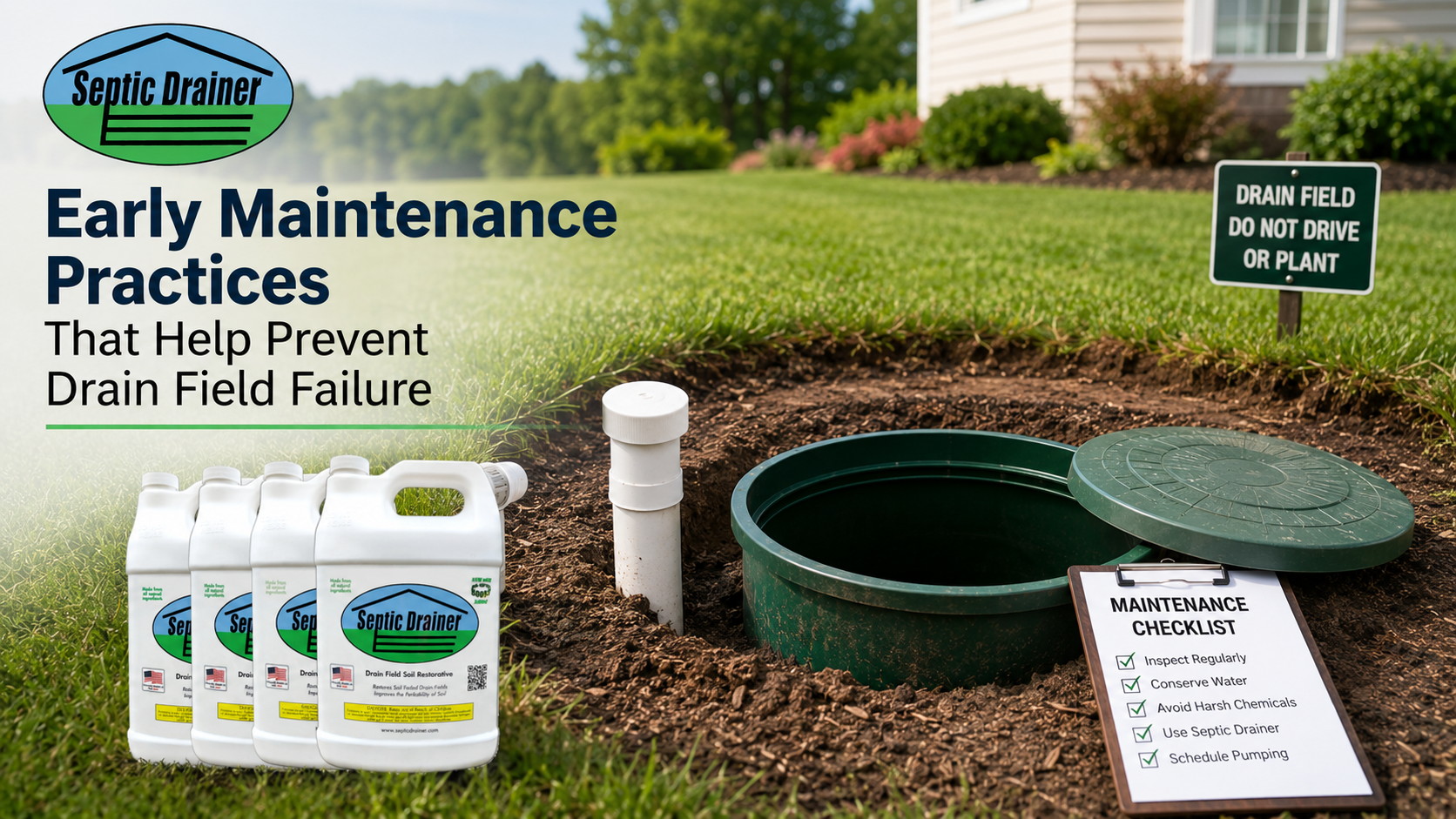
A well-functioning septic leach field is crucial for the overall health of any septic system. Unlike the main tank, which holds wastewater temporarily, the leach field disperses the treated water safely back into the soil. Over time, the soil under the pipe gets compacted, leading to hardpan soil formation that reduces its ability to absorb wastewater. Problems can arise that lead to more complex and costly repairs. Repairing your septic drain field early is crucial to bind the soil.
Regular maintenance and understanding key issues help ensure a long-lasting, trouble-free septic system. This guide explores both preventative care and essential troubleshooting tips to keep septic leach fields strong and effective.
Septic leach fields can fail for several reasons, each of which affects how well the system handles wastewater. The two main culprits are compaction of soil and bio-mat buildup. These factors make it difficult for wastewater to absorb into the ground, leading to system backup or surface pooling.
These issues not only affect septic leach fields directly but also indicate the need for specialized septic treatments that go beyond regular maintenance.
Key Benefits of Septic Leach Field Treatment
Regular septic leach field treatment plays an essential role in extending the system’s lifespan. Many solutions on the market today, like the patented septic repair products from RCS II, Inc., specifically target common issues like compacted soil and bio-mat buildup
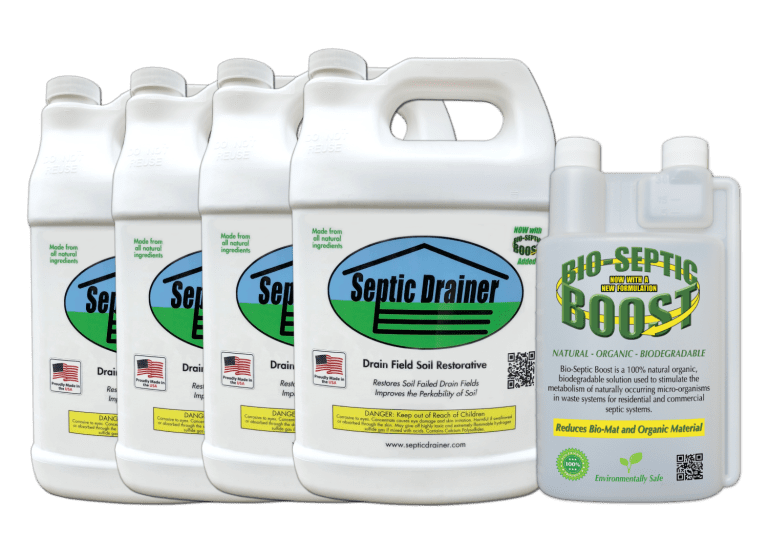
Septic Drainer is a soil conditioner designed to open and maintain drainage under your septic’s drain field pipes as the high-quality drain cleaner does not have bacteria or enzymes.
The benefits of such treatment are both preventative and restorative.
Effective Solutions for Troubleshooting Common Issues
Troubleshooting septic system issues requires targeted septic treatments. Common problems include slow drainage, standing water, and unpleasant odors. Each of these symptoms may indicate an underlying issue with the leach field or tank itself.
Specialized Septic Leach Field Treatment Options
Different septic treatment options cater to various types of septic issues, from minor clogs to advanced system failures. RCS II, Inc. provides several treatment kits designed to address specific leach field challenges. The septic drainer products restore the permeability of your soil and eliminate Bio-Mat issues.
These options not only address symptoms but tackle root causes, ensuring that septic systems function efficiently for years.
Preventing Leach Field Issues Before They Arise
While treatment options are crucial, preventing issues is just as important. Routine septic treatments are one of the most effective ways to keep a system healthy, but there are additional preventive steps every homeowner can take.
Recognizing When Professional Intervention Is Necessary
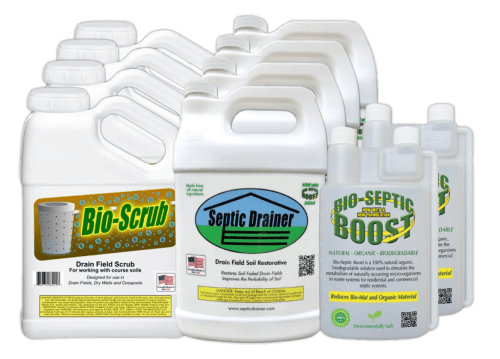
While many septic treatments are accessible for homeowners, certain issues may require professional intervention. It’s wise to consult a septic specialist if you encounter persistent problems like repeated pooling or continuous foul odors, even after treatment. Professionals use advanced tools to diagnose issues deep within the leach field and can recommend targeted solutions like the Mega Drain Field Repair Kit.
Professional consultation is especially helpful when dealing with older systems or severe hard-pan soil issues. RCS II, Inc. Mega Kit is a trusted option for systems in advanced stages of failure, utilizing both a septic drainer and Bio-Septic Boost to renew soil health and restore system function.
Long-Term Benefits of Proactive Septic System Care
With consistent maintenance and proactive septic leach field treatment, homeowners can extend the life of their septic systems significantly. Leach field problems left unchecked lead to system failure, requiring costly overhauls that can disrupt daily life and budgets. Regular septic treatments reduce the risk of such issues, making them an investment in both convenience and peace of mind.
Final Thoughts
Investing in septic leach field treatment provides long-term benefits and protects your property’s value and environment. With specialized options like RCS II, Inc. repair kits, addressing issues like bio-mat buildup, compacted soil, and hard-pan formation becomes manageable and cost-effective. Regular maintenance, coupled with the right septic treatments, keeps leach fields performing optimally for years to come.
A strong septic system depends on diligent care, a proactive approach, and reliable products that go beyond temporary fixes. Whether troubleshooting a minor issue or preventing future failures, proper maintenance safeguards your investment, your property, and the surrounding environment.
[/fusion_text][/fusion_builder_column][/fusion_builder_row][/fusion_builder_container]