A leach field, also known as a drain field, plays a crucial role in a septic system by filtering and dispersing the wastewater safely into the soil. Unfortunately, like any part of a septic system, leach fields can develop problems that require immediate attention. If you’re facing issues with your leach field, you might feel overwhelmed by the potential costs and labor involved. However, there are ways to handle these problems efficiently without much hassle. Understanding the causes of these failures and knowing the right solutions can make all the difference.
Common Causes of Leach Field Failures
A leach field can fail for various reasons, but understanding the most common causes is key to selecting the proper solution. Soil compaction, bio-mat accumulation, sodium buildup, and organic overloading are the primary reasons behind most leach field problems. Recognizing these causes early on can help you take proactive measures to keep your system in good shape.
- Soil Compaction: Over time, the soil in a leach field can become compacted, making it difficult for wastewater to be absorbed. This often results from heavy foot traffic, parked vehicles, or natural settling of the ground. A common consequence of soil compaction is the formation of hard-pan soil, where a non-permeable layer prevents water from flowing through.
- Bio-Mat Accumulation: When wastewater does not drain correctly, a slimy layer called bio-mat forms at the bottom of the leach field trenches. This layer, made up of anaerobic bacteria waste, further restricts the flow of water, creating a backup in the system. Addressing bio-mat accumulation is vital for a successful leach field fix.
- Sodium Buildup: Sodium in wastewater can bind with soil particles, causing the soil to lose its permeability. This condition, also known as hard-pan soil, leads to reduced absorption rates and the eventual failure of the leach field. A comprehensive solution, such as a septic drainer, can effectively address sodium buildup and restore the soil’s natural absorption capacity.
- Organic Overloading: Excess organic matter can overwhelm the septic system, disrupting bacterial balance and causing clogging in the leach field. Regular maintenance and the correct use of additives can help manage the levels of organic material and keep the system functioning properly.
Why Opt for a Leach Field Repair Near You?
When it comes to finding a “leach field repair near you,” local repair experts can offer fast and reliable service, tailored to the specific needs of your region. Local professionals understand the soil types, weather conditions, and other unique factors that can affect your leach field’s performance. Additionally, choosing local services means quicker response times and better communication, ensuring that your leach field is fixed efficiently and effectively.
Effective Solutions for Leach Field Fixes
Choosing the right method for a leach field fix can save you from future headaches and expenses. Here are some proven solutions that can restore your leach field’s functionality without the need for costly replacements:
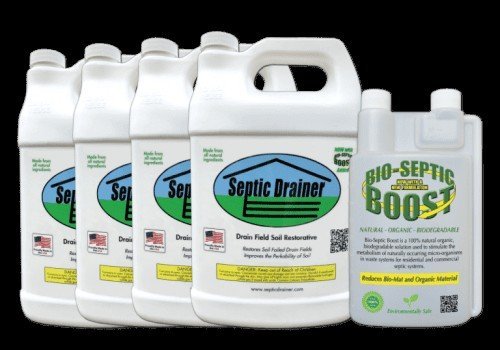
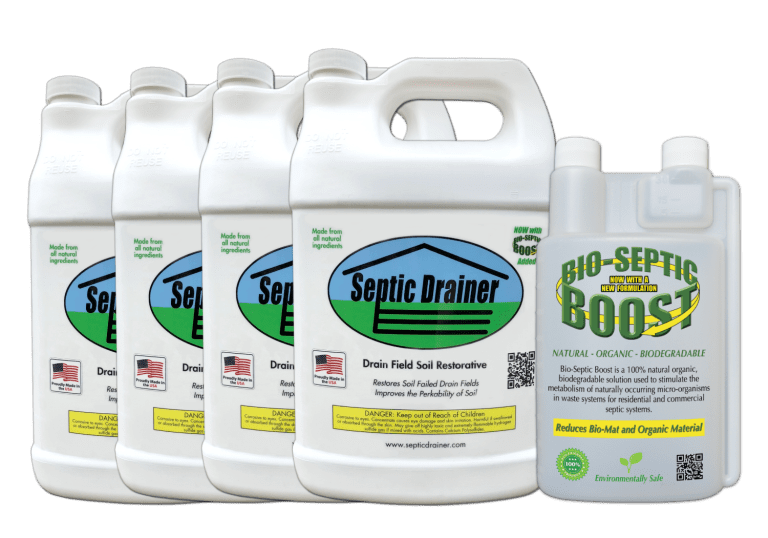
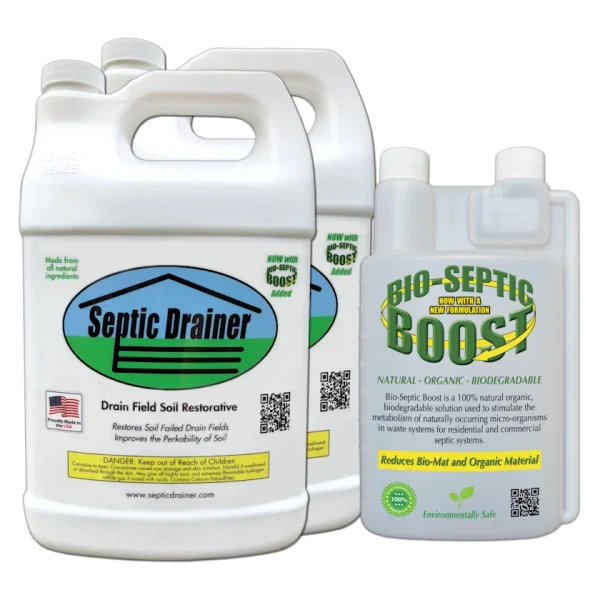
- Septic Drainer: This patented product provides a reliable way to address various septic issues, including leach field failure. Septic Drainer works by breaking down sodium buildup, aerating the soil, and boosting bacterial activity, which restores the leach field’s ability to absorb wastewater. Using this product prevents the need to dig up and replace the old soil, saving both time and money.
- Bio-Septic Boost: Another effective method involves using a bio-stimulant nutrient, such as Bio-Septic Boost, to enhance bacterial activity in the soil. Made from natural ingredients like kelp, this product increases bacteria levels by up to 50%, helping to break down bio-mat and restore drainage.
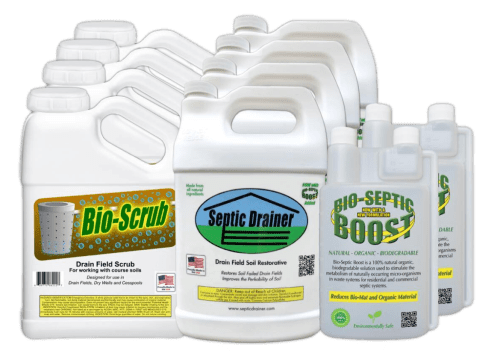
- Leach Field Repair Kits: For those who prefer a comprehensive solution, repair kits like the Septic Drain Field Repair Kit or the Mega Drain Field Repair Kit offer everything needed to restore failing systems. These kits include septic drainers and bio-stimulants, designed to treat specific types of soil and septic system failures. Each kit comes with detailed instructions, making it easy for homeowners or professionals to use effectively.
Choosing the Right Leach Field Repair Kit for Your Needs
There are different types of leach field repair kits available, each tailored to specific problems and soil conditions. Here’s a closer look at some of the popular options:
- Septic Drain Field Repair Kit: Ideal for systems in clay, sandy loam, or gravel-based soils, this kit targets moderately failed leach fields and drain fields. It includes components that break up clogged soil and enhance bacterial activity, which helps restore proper drainage.
- Mega Drain Field Repair Kit: Designed for older or more severely failed systems, this kit contains twice the amount of septic drainer and other essential ingredients, such as Bio-Septic Boost. The Mega Kit is particularly effective for systems impacted by hard-pan soils and severe sodium buildup.
- Septic Maintenance Starter Kit: A great option for those looking to maintain their septic systems and prevent future problems, this starter kit includes septic drainer, Bio-Septic Boost, and a septic tank location marker. It offers a convenient and cost-effective way to keep your leach field in top condition year-round.
Preventive Measures for a Healthy Leach Field
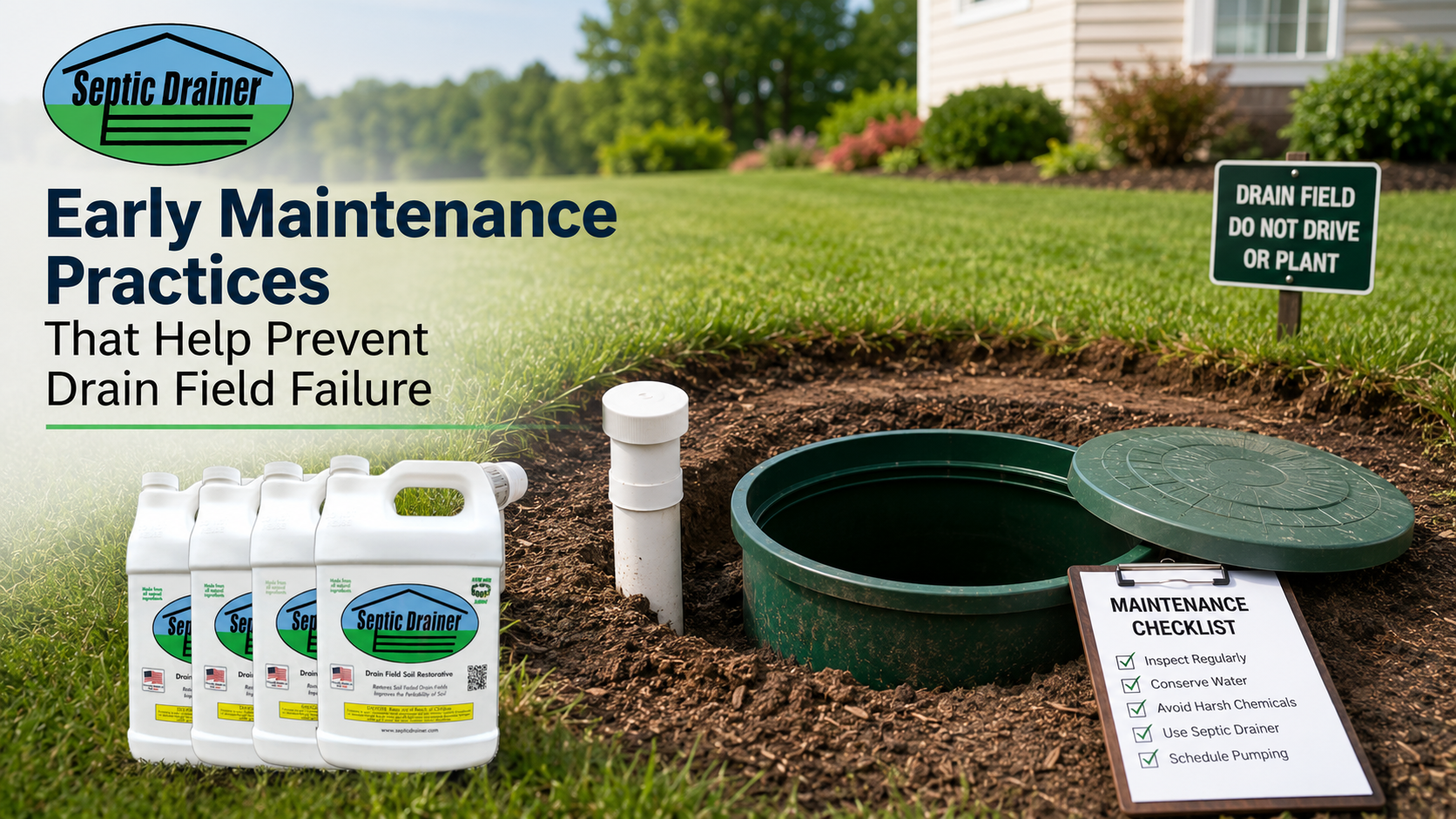
Prevention is always better than cure. To avoid the need for a costly leach field repair near you, consider the following preventive measures:
- Regular Inspections: Have your septic system inspected regularly by a professional to catch early signs of trouble. Early detection of issues can prevent larger problems from developing down the line.
- Proper Maintenance: Use septic additives like Septic Drainer and Bio-Septic Boost periodically to maintain the biological health of your system. These products prevent soil compaction, sodium buildup, and bio-mat accumulation, all of which are common causes of leach field failure.
- Avoid Excessive Water Use: Reducing the amount of water entering your septic system can help prevent overloading. Install water-saving fixtures and be mindful of your water usage to prolong the life of your leach field.
- Limit Heavy Traffic: Avoid parking vehicles or placing heavy objects over the leach field area, as this can cause soil compaction and damage the pipes. Keeping the area clear will help maintain the integrity of the leach field.
How to Address Common Leach Field Problems?
When a leach field begins to show signs of failure, prompt action is necessary to prevent further damage. Some of the common problems include foul odors, slow drainage, and wet spots on the lawn. Here’s how to address these issues:
- Odors: If you notice foul smells coming from your drains or yard, it could indicate a failing leach field. Using products like Septic Drainer can help break down bio-mat and eliminate the source of the odor.
- Slow Drainage: Multiple slow-running drains can be a sign that your leach field is struggling to absorb wastewater. A septic drainer, combined with Bio-Septic Boost, can help restore proper flow by breaking down clogs and enhancing bacterial activity.
- Wet Spots on Lawn: Pooling water or wet spots in your yard often point to a saturated leach field. A repair kit, such as the Mega Drain Field Repair Kit, is designed to treat these conditions by breaking up the compacted soil and restoring drainage.
Benefits of Using Septic Drainer Products
Septic Drainer products offer a range of benefits for homeowners dealing with leach field issues. These products are designed to tackle specific problems effectively while providing long-term solutions for septic system maintenance:
- Cost-Effective: By preventing the need for digging up and replacing soil, these products save you thousands of dollars in repair costs.
- Environmentally Friendly: Made from natural ingredients, they provide a safe way to maintain and restore septic systems.
- Easy to Use: With straightforward instructions and no need for specialized equipment, these products are user-friendly for both homeowners and professionals.
When to Call a Local Expert for Leach Field Repair?
While many leach field issues can be resolved with DIY solutions, certain situations may require professional intervention. It’s important to call a local expert if you notice persistent problems like:
- Continued Sewage Backups: If your system continues to back up despite attempts to fix it, professional help is needed.
- Severe Odors and Pooling: When foul smells or standing water becomes a recurring issue, a thorough inspection by a professional is necessary.
- Multiple Failing Components: If more than one part of your septic system is failing, a local expert can provide a comprehensive assessment and solution.
Conclusion
A leach field is an essential component of your septic system, and keeping it in good working order is vital for maintaining the overall health of your property. Whether you’re dealing with bio-mat buildup, soil compaction, or sodium-induced hard-pan, there are effective solutions available that don’t require a full system replacement.
Utilizing products like Septic Drainer and Bio-Septic Boost, along with choosing the right leach field repair kits, can offer hassle-free fixes and long-term benefits. Remember, regular maintenance and early intervention are key to preventing serious septic issues. By relying on local repair experts, you can ensure that your leach field remains efficient, safe, and trouble-free.
[/fusion_text][/fusion_builder_column][/fusion_builder_row][/fusion_builder_container]