Let’s be real, you didn’t land here because everything is going great in your backyard.
No one casually sips coffee and thinks, “You know what sounds fun today? Septic Drain Field Treatment.”
Nope. Something’s off.
Maybe your yard smells like a science experiment gone wrong.
Maybe your grass is greener… suspiciously greener… in one weird patch.
Or maybe your drains are moving slower than your weekend plans.
Here’s the good news: you’re not alone, and more importantly, you’re not stuck.
Most homeowners only hear about two options:
- Ignore it and hope it magically fixes itself (spoiler: it won’t)
- Replace the entire system and cry over a $20,000 bill
But what if there’s a smarter middle ground?
Let’s dig into practical, lesser-known septic drain field treatment solutions that actually work without turning your yard into a construction site.
Understand the Real Cause: It’s Not Just Biomat
Here’s something most people never get clearly explained:
Drain field failure is not just about buildup; it starts with the soil chemistry. Over time, sodium from household waste combines with the soil beneath your drain field pipes. This creates what is known as hardpan soil or sodium-bound soil. When this happens, airflow through the soil stops almost completely.
And that’s where the real problem begins. Healthy systems rely on aerobic bacteria, which need oxygen to survive. These bacteria break down waste efficiently and release harmless carbon dioxide.
But when airflow is blocked, oxygen disappears from the system. This creates the perfect environment for anaerobic bacteria to take over.
These bacteria do not need oxygen and produce that thick, black, slimy layer called biomat.
So here’s the truth:
Sodium causes the failure, and biomat is simply the byproduct of that failure.
Understanding this changes everything about how you treat the problem.
Restore Soil Balance, Not Just Pipes
Most solutions focus on symptoms instead of the root cause.
Cleaning the tank alone will not fix a failing drain field.
The real goal is to restore the soil so it can function again.
What actually works:
- Driving sodium out of the soil to break up hardpan conditions
- Reopening airflow so oxygen can return to the system
- Supporting the natural balance needed for proper drainage
When sodium is removed, the soil becomes breathable again.
And once airflow returns, the entire system starts recovering naturally.
This is the foundation of effective septic drain field treatment.
Rebuild Healthy Bacteria Activity
Once oxygen levels are restored, the next step is rebuilding the right bacteria.
Remember, aerobic bacteria are the ones that actually clean your system efficiently.
But in a failing system, their population drops significantly.
This is where biological stimulation becomes important.
Instead of random additives, targeted solutions can:
- Multiply aerobic bacteria by millions
- Help them consume and break down biomat naturally
- Restore balance inside the drain field environment
As aerobic bacteria grow, they begin eating away at the biomat layer.
This improves drainage and reduces odors at the same time.
It’s not a temporary fix, it’s a system reset.
Stop Overloading Your System
This one might sting a little, but it matters more than people think. Most systems don’t fail suddenly; they are slowly overwhelmed daily. Too much water flow prevents the soil from recovering properly.
Common habits that cause problems:
- Running multiple loads of laundry back-to-back
- Long showers from multiple household members
- Ignoring small leaks that constantly add water
Your drain field works like a sponge.
If it never gets a break, it stops absorbing completely.
Simple changes can help:
- Spread water usage throughout the day
- Fix leaks immediately
- Use water-efficient fixtures
Giving your system time to rest helps it recover naturally.
Let the Drain Field Recover
Here’s a strategy many homeowners never hear about:
Your drain field can heal itself if given the chance.
But only if you remove the stress and restore the right conditions.
Practical steps include:
- Redirecting excess water away from the drain field
- Avoiding heavy traffic or parking over the area
- Reducing usage temporarily to allow recovery
Soil has a natural ability to regenerate when conditions improve.
When sodium is reduced and oxygen returns, the process speeds up.
This is one of the simplest yet most effective septic drain field treatment strategies available.
Use Targeted Treatment Systems
Not all septic products are helpful, and many can actually make things worse.
Common issues with generic additives:
- They never reach the drain field
- They push solids deeper into the soil
- They disrupt the natural bacterial balance
What you actually need is a targeted approach.
Effective systems work by:
- Removing sodium buildup from the soil
- Stimulating aerobic bacteria growth significantly
- Breaking down biomat at the source
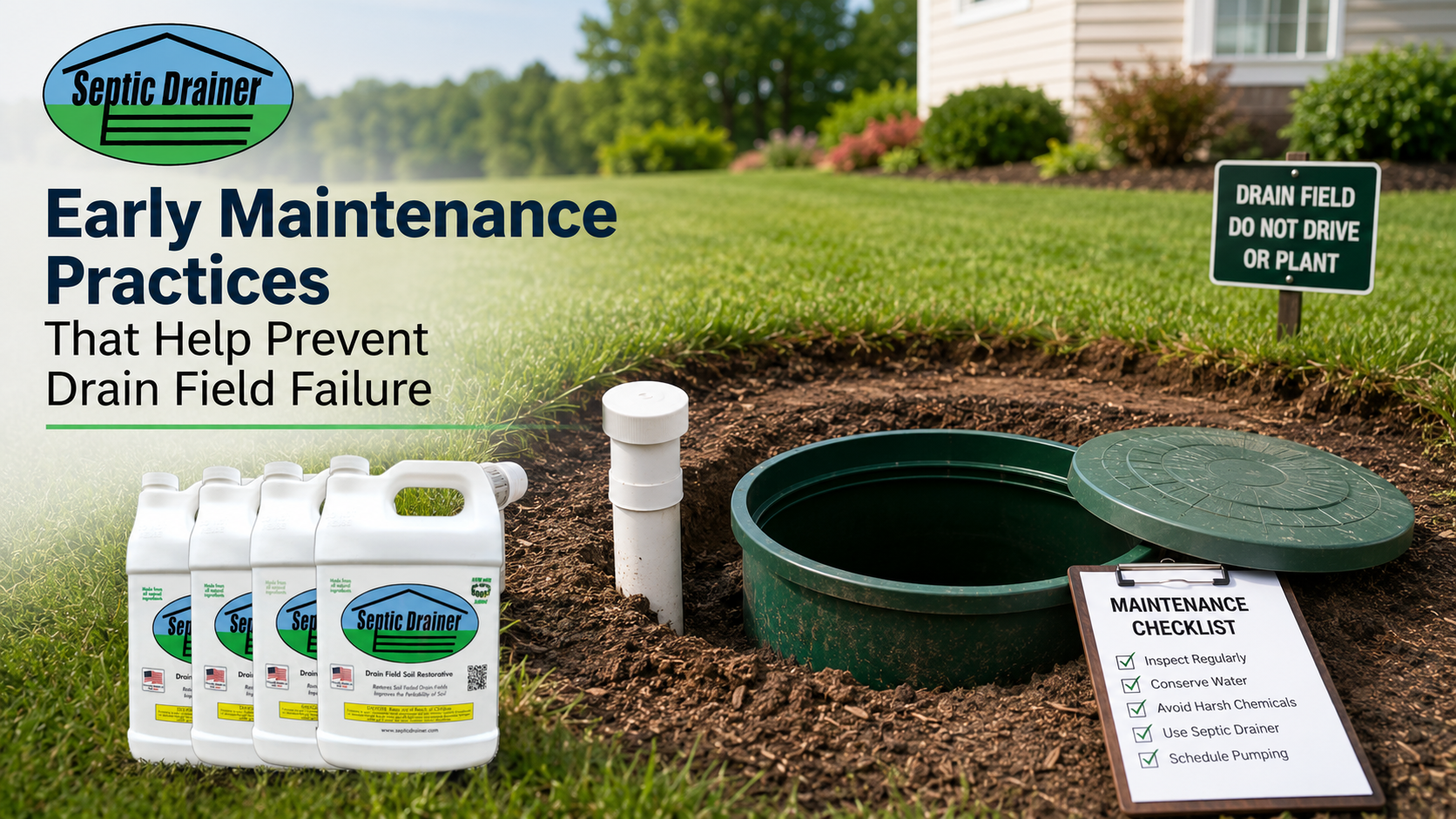
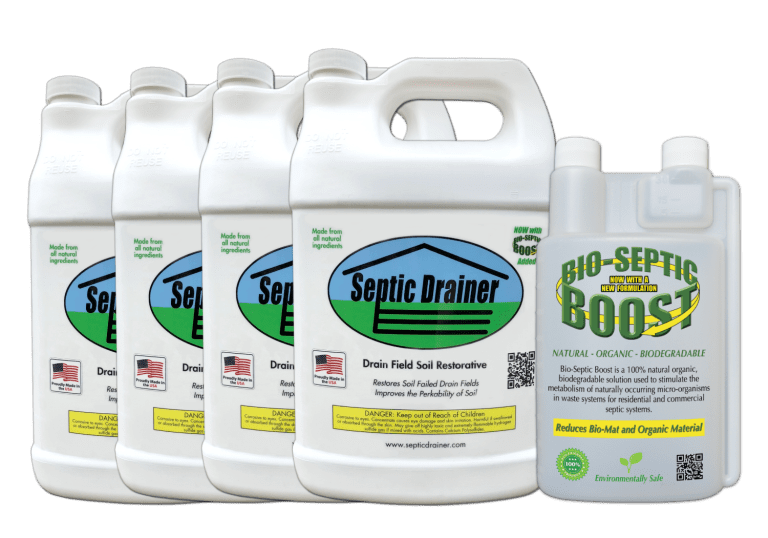
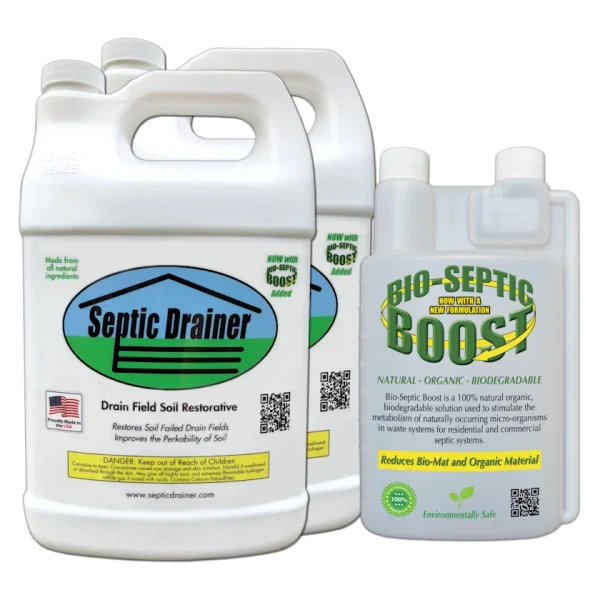
This is where solutions like Septic Drainer and Bio-Septic Boost come into play.
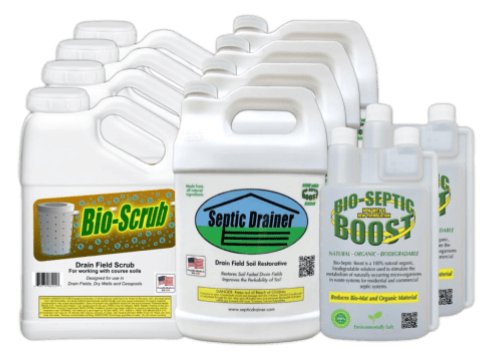
Septic Drainer works by driving sodium out of the soil, restoring airflow. Bio-Septic Boost enhances aerobic bacteria by millions, helping them consume biomat. Together, they address both the cause and the effect of system failure.
That’s the difference between masking a problem and actually fixing it.
Conclusion
Here’s the truth most homeowners never hear:
Your septic system doesn’t need a miracle; it needs the right science. Sodium buildup is what causes failure, and biomat is just the result.
When you fix the soil, everything else starts working again.
The right septic drain field treatment can:
- Restore proper drainage
- Eliminate odors
- Extend your system’s life by years
- Save thousands in replacement costs
But timing is everything.
Ignore the warning signs, and you’re looking at a full system failure. Act now, and you might completely avoid it.
So if your yard is already hinting that something’s wrong, slow drains, bad smells, soggy patches, don’t wait for it to get worse.
Take control before it becomes a disaster.
Explore a targeted, proven solution designed specifically for real drain field recovery at Septic Drainer.
Because the smartest homeowners don’t wait for failure,
They fix the problem before it fixes their wallet.