Let’s be honest, you didn’t plan on becoming a “septic system expert.”
Yet here you are… probably because your backyard smells like something between rotten eggs and regret.
You’ve Googled “Septic Drain Field Cleaner”, hoping for a miracle. Something simple. Something that doesn’t involve digging up your lawn like a treasure hunt gone wrong.
But here’s the real deal:
When you pour a septic drain field cleaner into your system, it’s not magic; it’s science, biology, and a bit of timing working behind the scenes.
So what actually happens?
Let’s break it down in a way that finally makes sense and might even save your yard and wallet.
Starts Breaking Down the Hidden Enemy: Bio-Mat
When you use a septic drain field cleaner, the first thing it targets is the real villain:
A thick, slimy layer called biomat
Formed from:
- Waste solids
- Grease
- Bacterial residue
This layer sits in your drain field soil and:
- Blocks water absorption
- Causes pooling and odors
- Slowly suffocates your system
Bio-Mat is not the root cause of failure; it is a byproduct of system failure caused by sodium buildup in the soil.
What the cleaner does:
- Activates specialized bacteria and enzymes
- Begins digesting organic sludge buildup
- Softens and reduces biomat thickness
Why this matters:
Your system doesn’t fail overnight
It slowly chokes, and this is the first visible symptom
The Real Cause of Failure: Sodium Buildup in Soil
Septic systems primarily fail due to sodium accumulation in the soil beneath the drain field pipes.
Here’s what happens:
- Sodium binds with soil particles
- Creates hardpan (sodium-bound soil)
- Prevents water from absorbing properly
This soil structure collapse is what actually starts the failure process, not Bio-Mat alone.
As this condition worsens:
- Airflow in the system becomes restricted or completely stops
- The entire biological balance shifts
Supercharges Bacterial Activity
Your septic system already relies on bacteria.
But over time, that balance gets disrupted.
Healthy systems depend on aerobic bacteria (oxygen-loving bacteria), not just bacteria in general.
When you add a drain field cleaner, you’re essentially:
- Reintroducing high-performance bacteria strains
- Boosting microbial activity inside your system
What happens next:
Bacteria start breaking down:
Waste becomes:
- Smaller
- Easier to process
- Less likely to clog the soil
What Really Goes Wrong: Oxygen Loss & Bacterial Shift
Aerobic bacteria require oxygen and produce CO₂ while breaking down waste efficiently.
But when sodium damages the soil:
- Airflow stops
- Oxygen levels drop
This causes:
- Aerobic bacteria die off
- Anaerobic bacteria (no-oxygen bacteria) take over
And here’s the problem:
- Anaerobic bacteria produce black, slimy sludge (Bio-Mat)
- This sludge clogs the soil even further
This creates a destructive cycle:
Sodium → Soil sealing → Oxygen loss → Anaerobic bacteria → Bio-Mat → System failure
Restores Soil Absorption
Here’s something most people don’t realize:
Your drain field isn’t just pipes; it’s soil doing the heavy lifting.
Fixing the system means fixing sodium-damaged soil first, not just breaking down waste.
A proper solution works to:
- Drive sodium out of the soil
- Break down blockages
- Open tiny pathways for water movement
- Restore natural filtration
Results you may notice:
- Less standing water in your yard
- Faster drainage
- Reduced soggy patches
Reduces Odors at the Source
That smell? Yeah… that’s not just “bad luck.”
It’s caused by:
- Trapped gases
- Anaerobic (oxygen-starved) bacteria
- Decaying waste buildup
Odors are a direct result of anaerobic bacterial activity caused by a lack of oxygen in sodium-bound soil.
Using the right treatment:
- Restores oxygen balance
- Supports aerobic bacteria
- Reduces gas-producing waste
What you experience:
- Odors gradually fade
- The air around your yard feels cleaner
Slows Down or Prevents Total System Failure
Here’s the part most homeowners care about:
Avoiding a massive replacement bill
Key correction:
True recovery requires addressing BOTH sodium buildup AND Bio-Mat, not just one.
When treated properly, you can:
- Extend the life of your drain field
- Prevent a complete system breakdown
- Avoid costly excavation
How the Right Products Actually Work
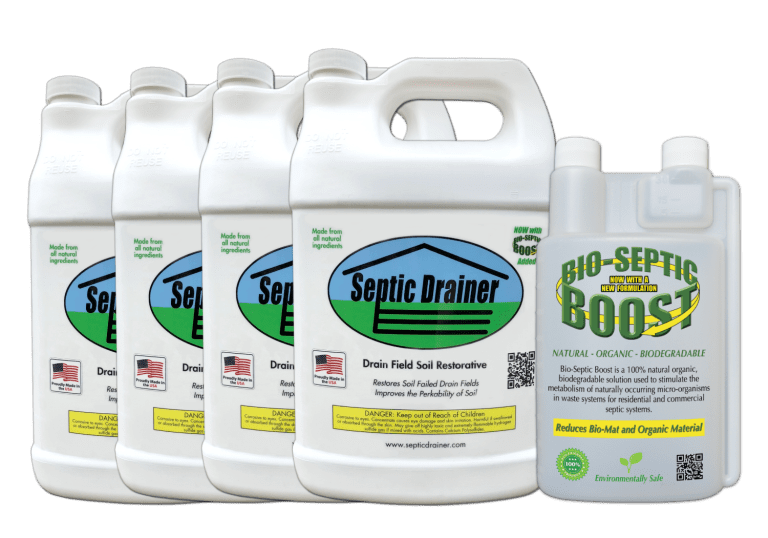
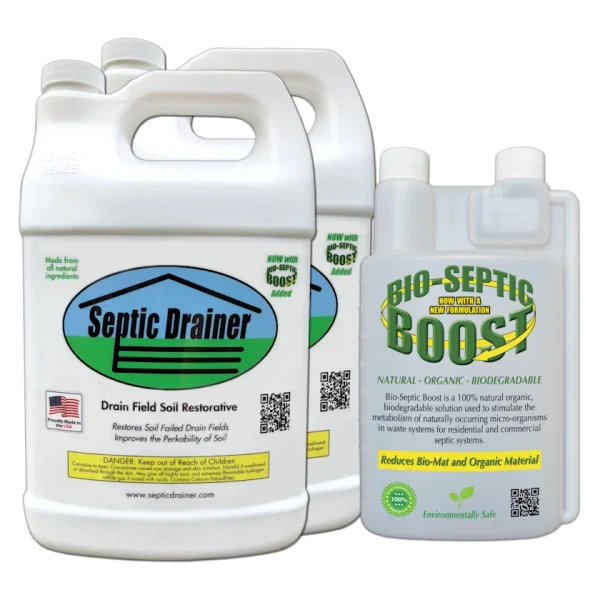
- Septic Drainer works by driving sodium out of the soil, restoring soil structure and permeability.
- Bio-Septic Boost is a biological stimulant that enhances aerobic bacteria by millions-fold.
- These aerobic bacteria then actively consume and reduce Bio-Mat.
Together, they fix both the cause and the symptom.
Conclusion
So, what actually happens when you use a septic drain field cleaner?
- It addresses sodium buildup (the root cause)
- It reduces Bio-Mat (the byproduct)
- It restores oxygen flow
- It reactivates aerobic bacteria
- It brings your system back to life
But here’s the truth: most people learn too late:
The earlier you treat sodium damage, the better your chances of recovery.
If you’re already noticing:
- Slow drains
- Bad smells
- Wet patches in your yard
Then your system is asking for help loudly.
Instead of jumping straight to costly replacements, you can take a smarter first step.
Because in the world of septic systems…
The difference between a quick fix and a financial nightmare usually comes down to one thing: fixing the real cause, not just the symptoms.