[fusion_builder_container type=”flex” hundred_percent=”no” equal_height_columns=”no” menu_anchor=”” hide_on_mobile=”small-visibility,medium-visibility,large-visibility” class=”” id=”” background_color=”” background_image=”” background_position=”center center” background_repeat=”no-repeat” fade=”no” background_parallax=”none” parallax_speed=”0.3″ video_mp4=”” video_webm=”” video_ogv=”” video_url=”” video_aspect_ratio=”16:9″ video_loop=”yes” video_mute=”yes” overlay_color=”” video_preview_image=”” border_color=”” border_style=”solid” padding_top=”” padding_bottom=”” padding_left=”” padding_right=””][fusion_builder_row][fusion_builder_column type=”1_1″ layout=”1_1″ background_position=”left top” background_color=”” border_color=”” border_style=”solid” border_position=”all” spacing=”yes” background_image=”” background_repeat=”no-repeat” padding_top=”” padding_right=”” padding_bottom=”” padding_left=”” margin_top=”0px” margin_bottom=”0px” class=”” id=”” animation_type=”” animation_speed=”0.3″ animation_direction=”left” hide_on_mobile=”small-visibility,medium-visibility,large-visibility” center_content=”no” last=”true” min_height=”” hover_type=”none” link=”” border_sizes_top=”” border_sizes_bottom=”” border_sizes_left=”” border_sizes_right=”” first=”true”][fusion_text]
Introduction
A septic system keeps wastewater flowing and prevents odors or surface pooling. Many homeowners face a septic drain field clogged problem when the soil under the pipes becomes hard and resistant. Treating this quickly saves thousands and restores proper drainage.
Delaying response when a clogged leach field appears can cause backups or lawn saturation. Using soil conditioners and bacterial nutrients offers a cost-effective solution. RCS II, Inc. developed products that eliminate root causes without replacing the entire drain field.
Recognizing Signs of a Blocked System Right Away
Look for wet patches in the yard even when no rain falls. Foul smells near drains or visible surface water often indicate that a septic drain field is clogged. Notice slow drainage in sinks or toilets. Gurgling sounds may signal that wastewater cannot exit the system.
Identify these symptoms early. They suggest the soil beneath the drain field pipes might have hardened due to sodium binding with soil particles, forming a non-permeable layer. Airflow stops above that layer. Anaerobic bacteria then form Bio‑Mat, which further blocks drainage. Understanding these signs helps you choose a budget-friendly fix.
Why Soil and Microbes Must Be Addressed Simultaneously?
Sodium buildup forms hard pan soil that blocks water. Compaction beneath drain field pipes reduces absorption. Bio‑Mat forms when airflow ceases due to that hardened layer. Organic overload worsens the imbalance. Addressing only one issue won’t restore full function.
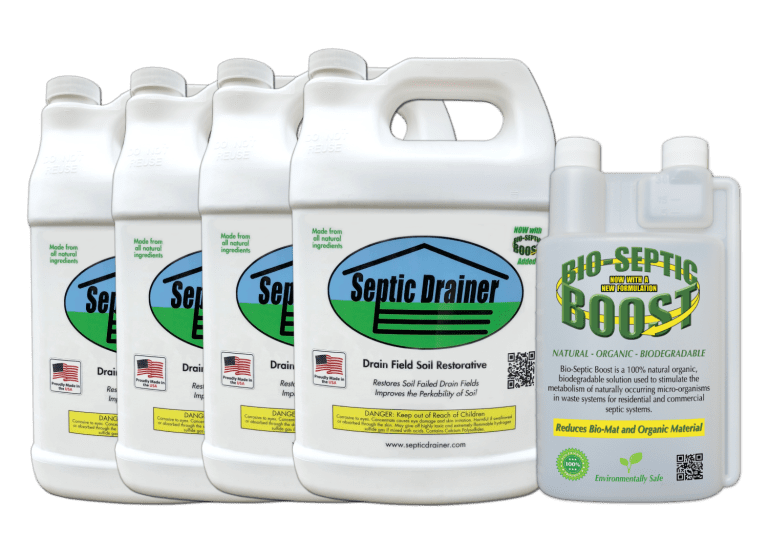
A true fix targets both soil and microbial health. Septic Drainer softens and opens compacted areas under drain lines. Bio‑Septic Boost adds nutrients from sea kelp to stimulate bacteria that consume Bio‑Mat. Together, they restore permeability and biological activity without excavation.
Affordable Repair Kits That Save You Money
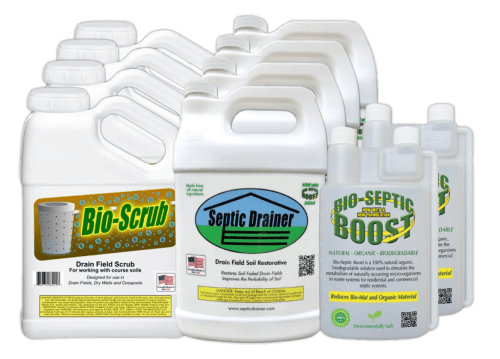
Repair kits from RCS II, Inc. include Septic Drainer and Bio‑Septic Boost, along with easy instructions. For moderate failure, one standard kit targets clay, sandy loam, or gravel soils and fixes a clogged leach field. It removes hardened soil and clears blockages.
Severe cases benefit from the Mega Kit, which uses twice the product. This treatment works faster on older or heavily impacted systems. All kits eliminate odors, surface pooling, and slow drainage without replacing soil or digging trenches.
Simple Steps to Apply Treatments Yourself
Locate the septic tank and follow instructions to apply solutions via the toilet. Septic Drainer reaches the soil under the drain pipes. Bio‑Septic Boost promotes bacterial growth in the trenches. Maintain consistent moisture during treatment for optimal absorption.
Allow time for water to move through softened soil. Avoid adding harsh chemicals. Follow the treatment schedule precisely. This DIY method restores drainage with minimal disruption and keeps costs low.
Preventive Maintenance Keeps Systems Running Smoothly
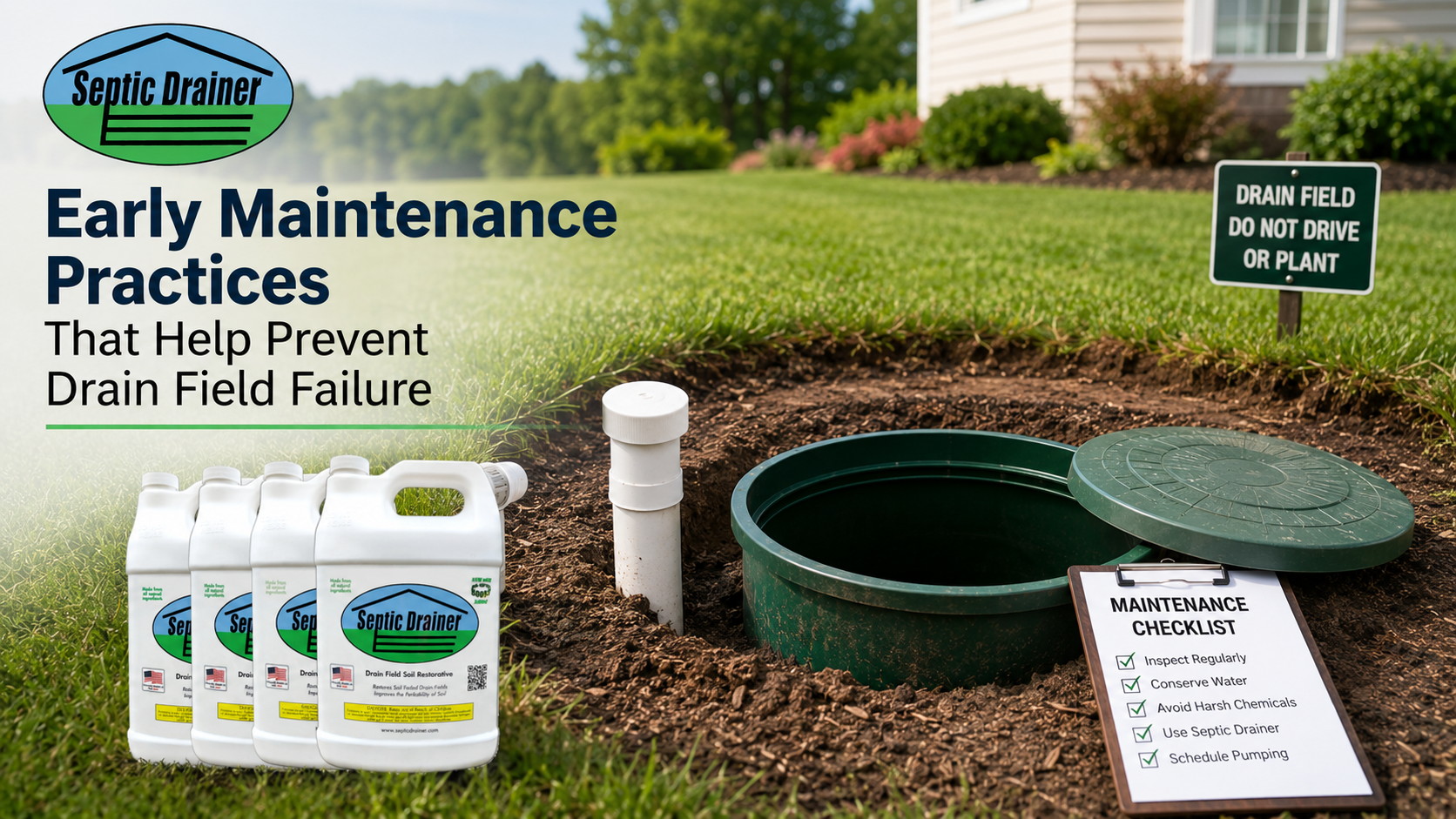
Use a maintenance starter kit every six months. That kit includes one gallon of Septic Drainer and one pint of Bio‑Septic Boost with a tank location marker. Using maintenance kits prevents a septic drain field clogged issue from ever developing.
Regular treatment maintains softness in the soil and sustains aerobic bacteria levels. It also prevents Bio‑Mat buildup. Prevention costs far less than emergency repair or drain field reconstruction.
When to Contact Professionals Instead of DIY?
If treatments don’t restore drainage or pooling worsens, broader intervention is needed. Experts offering leach field repair near you can assess soil depth, measure Bio‑Mat layers, and provide heavy-duty treatment. Professionals understand local soil conditions and apply solutions with specialized tools.
Local services save you from unnecessary trial and error. Their knowledge prevents repeat problems and protects your yard. When the costs of replacement loom, repair through local technicians often costs a small fraction and restores function faster.
Long-Term Benefits of Addressing Root Causes
Stopping surface water, foul odors, and backups improves daily life. Fixing underlying soil and microbial blockage prevents future failure. Septic Drainer treats the hardened layer. Bio‑Septic Boost keeps bacteria active and healthy.
Returning full filtration function reduces environmental risk. Property value stays stable when systems remain functional. Treatment also avoids heavy construction and offers eco-friendly results.
Final Thoughts for Economic Relief
Cost-effective remedies target the two main issues: hardened soil and reduced bacterial function. Septic Drainer breaks open compacted soil beneath pipes. Bio‑Septic Boost stimulates natural bacteria to clear Bio‑Mat. Kits include straightforward instructions and work across different soil types. Ongoing maintenance keeps systems functioning and prevents surprise backups or yard flooding.
Avoid costly pipe replacement or excavation by acting quickly with the right tools. Restoration through these methods restores filtration and saves you thousands. For complicated issues, local repair professionals can apply advanced treatment without damage to your yard. Choose prevention, treat early signs, and your septic system can run smoothly for many years.
RCS II, Inc. offers reliable products backed by decades of agricultural use. Their approach makes fixing a clogged leach field affordable and effective. Take control of system health today and avoid expensive fixes tomorrow.
Frequently Asked Questions
[/fusion_text][/fusion_builder_column][/fusion_builder_row][/fusion_builder_container]