When dealing with septic issues, one common yet often overlooked problem is a septic seepage pit. Also known as a dry well, it is a vertical underground structure designed to absorb wastewater. When functioning properly, it helps to filter and disperse the liquid from a septic tank into the surrounding soil. However, when a septic seepage pit fails, it can lead to a variety of problems, such as foul odors, surface pooling, and overall system failure. The reasons for these failures are often complex, involving everything from soil compaction to the accumulation of bio-mat and sodium buildup.
The first sign that a septic seepage pit is failing might be the appearance of a wet spot or foul smell on your property. Other symptoms can include slow-draining sinks and toilets, backed-up wastewater, and the presence of saturated patches in your yard. If left unattended, these problems can worsen, leading to costly repairs or even a complete system overhaul. This is where understanding the root causes and finding effective solutions becomes essential.
One of the key factors that can cause a septic seepage pit to malfunction is sodium buildup. Sodium, commonly found in household water supplies, can mix with soil particles in the seepage pit, creating a hard, non-permeable layer. This condition, known as hard pan soil, prevents water from filtering through the soil properly. Over time, this can lead to blockages and backups within the septic system.
Septic systems rely on a delicate balance of bacteria to break down waste. When sodium binds to soil particles, it can disrupt this balance, reducing the soil’s ability to absorb wastewater. The result is a failed or failing septic seepage pit that no longer effectively filters or disperses liquid waste. The role of sodium in this process highlights the importance of managing water quality as part of overall septic system maintenance.
Common Causes of Septic Seepage Pit Problems
Septic seepage pits can fail for several reasons, and understanding these causes is the first step in addressing the issue effectively. Some of the most common causes of septic seepage pit problems include:
To effectively deal with these issues, it is essential to adopt a proactive approach to septic maintenance, including regular inspections and the use of appropriate additives or treatments.
How Septic Drainer Products Can Help with Septic Seepage Pit Issues?
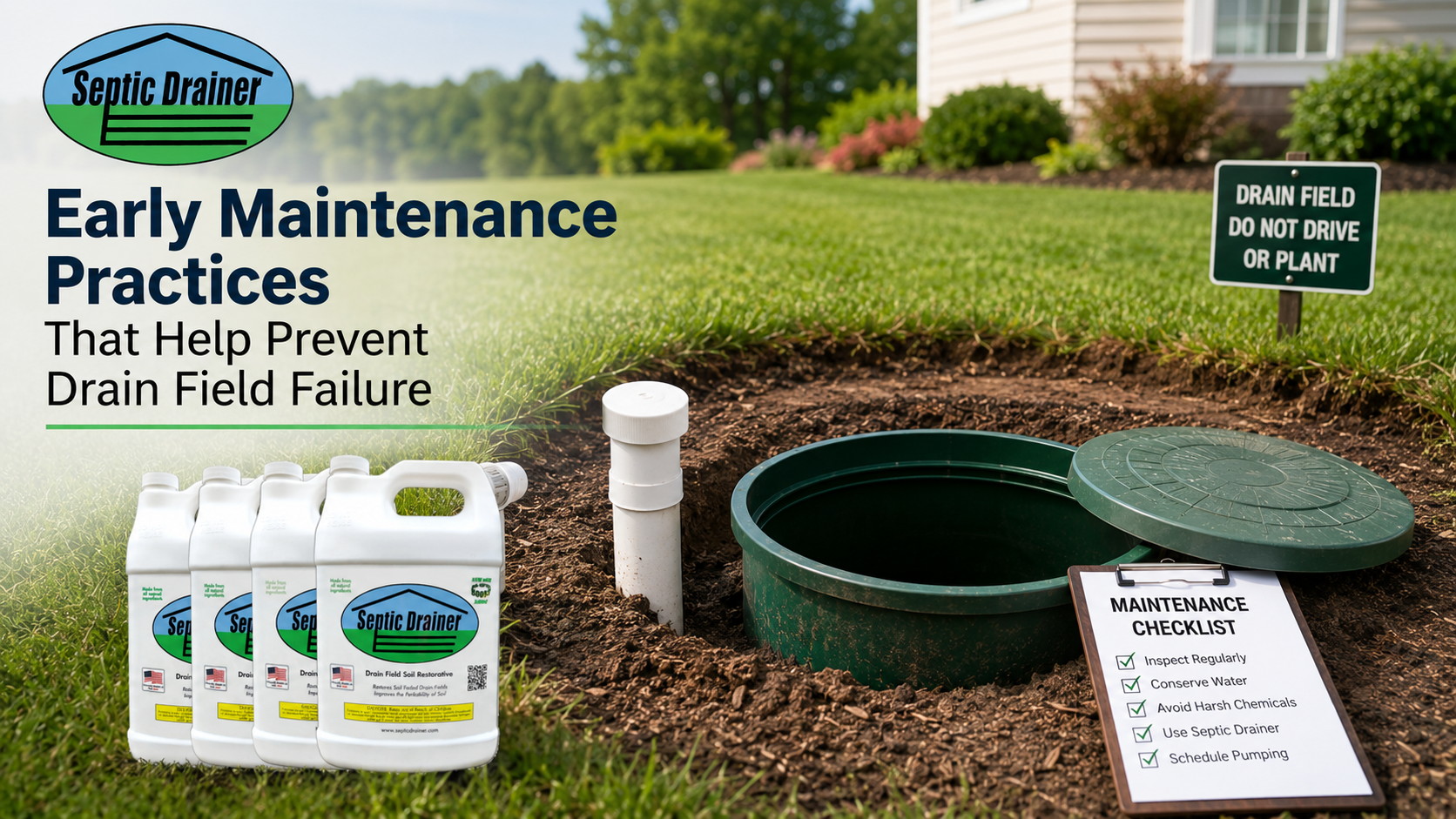
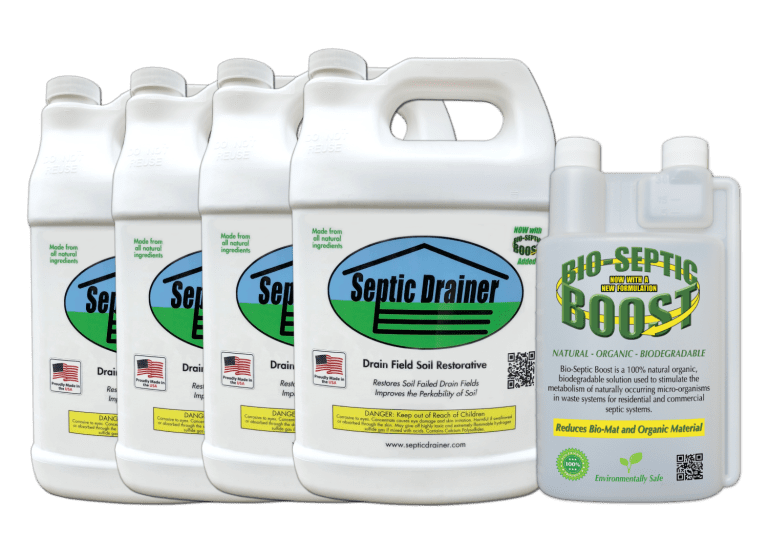
RCS II, Inc. offers a range of products specifically designed to address septic seepage pit problems, including their patented Septic Drainer. This product is an additive that works by breaking up compacted soil and restoring the natural filtration capabilities of your septic system. Unlike many other products on the market, Septic Drainer goes beyond treating just the tank, addressing the underlying soil conditions that lead to septic failure.
Septic Drainer is formulated to tackle the hard pan soil condition caused by sodium buildup. It refreshes the soil, dissolving the non-permeable layer and allowing water to pass through once again. Additionally, it helps break down bio-mat layers, restoring the drainage capacity of the septic seepage pit. The product is blended with high-quality ingredients and is backed by decades of proven results, making it a cost-effective solution for homeowners dealing with failing septic systems.
Why Consider a Wet Spot Water Softener as Part of Your Septic Solution?
Adding a wet spot water softener to your septic maintenance routine can provide an extra layer of protection against septic seepage pit failure. By reducing the sodium content in your household water, a water softener helps to prevent the formation of hardpan soil, allowing your septic system to function more efficiently. This, in turn, reduces the risk of costly repairs and extends the life of your system.
When used in combination with products like Septic Drainer, a water softener can create a comprehensive approach to septic maintenance. While Septic Drainer addresses the immediate issues of soil compaction and bio-mat buildup, a water softener helps to prevent future problems by managing water quality. Together, these tools can help keep your septic seepage pit in good working order for years to come.
Choosing the Right Solutions for Septic System Care
Selecting the right products and solutions for septic system care involves understanding your unique needs and the specific issues facing your system. For homeowners dealing with sodium buildup and compacted soil, a combination of a wet spot water softener and a Septic Drainer can provide a targeted approach to solving these problems. The key is to adopt a proactive strategy that includes regular maintenance, proper water management, and the use of effective treatments.
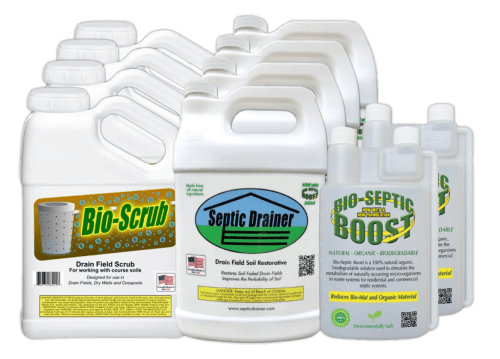
Septic Drainer’s repair kits come with easy-to-follow instructions and are suitable for various soil types, including clay, sandy loam, and gravel-based soils. Whether you are dealing with a moderately failed septic seepage pit or a more severely compromised system, there is a kit designed to meet your needs. The addition of Bio-Septic Boost, a scientifically engineered bio-stimulant, further enhances the effectiveness of these kits by promoting the growth of essential bacteria that help break down organic waste.
Understanding the Impact of Bio-Mat on Septic Seepage Pits
Bio-mat accumulation is another common issue that can affect the performance of a septic seepage pit. Bio-mat forms when waste products from anaerobic bacteria create a slimy layer at the bottom of the pit. Over time, this layer can become thick enough to block the flow of wastewater, leading to backups and surface pooling. Removing this bio-mat is crucial to restoring proper drainage.
One of the ways to deal with bio-mat is through the introduction of aerobic bacteria, which can consume the bio-mat and break it down. Products like Septic Drainer help to open up the soil, allowing for increased airflow and promoting the growth of these beneficial bacteria. Additionally, using a wet spot water softener can reduce the amount of sodium in your wastewater, which further helps to prevent bio-mat buildup.
How Regular Maintenance Can Extend the Life of Your Septic Seepage Pit?
Preventive maintenance is essential for extending the life of your septic seepage pit. Regular inspections, timely pumping, and the use of effective products like Septic Drainer and wet spot water softeners can help keep your system in good working order. These measures reduce the likelihood of costly repairs and ensure that your septic system continues to function efficiently for years to come.
Investing in a septic maintenance starter kit can be a cost-effective way to stay on top of your septic system’s needs. These kits typically include everything you need to maintain your system, from septic additives to bio-stimulants. By incorporating these products into your regular maintenance routine, you can prevent small problems from turning into larger issues, saving time, money, and hassle.
Final Thoughts: The Importance of a Holistic Approach to Septic Care
Dealing with a septic seepage pit can be challenging, but with the right approach, it is manageable. Understanding the causes of failure, such as sodium buildup and bio-mat accumulation, is the first step in finding effective solutions. Incorporating a wet spot water softener and using products like Septic Drainer can provide a comprehensive strategy for maintaining your septic system and avoiding costly repairs.
By taking a proactive approach to septic maintenance, you can protect your investment and ensure the longevity of your system. Whether you are dealing with a failing septic seepage pit or simply looking to prevent future problems, these solutions offer a practical and effective way to keep your system running smoothly. Remember, regular maintenance and proper care are the keys to a healthy, long-lasting septic system.
[/fusion_text][/fusion_builder_column][fusion_builder_column type=”1_1″ layout=”1_1″ background_position=”left top” background_color=”” border_color=”” border_style=”solid” border_position=”all” spacing=”yes” background_image=”” background_repeat=”no-repeat” padding_top=”” padding_right=”” padding_bottom=”” padding_left=”” margin_top=”0px” margin_bottom=”0px” id=”” animation_type=”” animation_speed=”0.3″ animation_direction=”left” hide_on_mobile=”small-visibility,medium-visibility,large-visibility” center_content=”no” last=”true” min_height=”” hover_type=”none” link=”” border_sizes_top=”” border_sizes_bottom=”” border_sizes_left=”” border_sizes_right=”” first=”true”][fusion_text]
When dealing with septic issues, one common yet often overlooked problem is a septic seepage pit. Also known as a dry well, it is a vertical underground structure designed to absorb wastewater. When functioning properly, it helps to filter and disperse the liquid from a septic tank into the surrounding soil. However, when a septic seepage pit fails, it can lead to a variety of problems, such as foul odors, surface pooling, and overall system failure. The reasons for these failures are often complex, involving everything from soil compaction to the accumulation of bio-mat and sodium buildup.
The first sign that a septic seepage pit is failing might be the appearance of a wet spot or foul smell on your property. Other symptoms can include slow-draining sinks and toilets, backed-up wastewater, and the presence of saturated patches in your yard. If left unattended, these problems can worsen, leading to costly repairs or even a complete system overhaul. This is where understanding the root causes and finding effective solutions becomes essential.
How Sodium Buildup Affects a Septic Seepage Pit?
One of the key factors that can cause a septic seepage pit to malfunction is sodium buildup. Sodium, commonly found in household water supplies, can mix with soil particles in the seepage pit, creating a hard, non-permeable layer. This condition, known as hard pan soil, prevents water from filtering through the soil properly. Over time, this can lead to blockages and backups within the septic system.
Septic systems rely on a delicate balance of bacteria to break down waste. When sodium binds to soil particles, it can disrupt this balance, reducing the soil’s ability to absorb wastewater. The result is a failed or failing septic seepage pit that no longer effectively filters or disperses liquid waste. The role of sodium in this process highlights the importance of managing water quality as part of overall septic system maintenance.
Common Causes of Septic Seepage Pit Problems
Septic seepage pits can fail for several reasons, and understanding these causes is the first step in addressing the issue effectively. Some of the most common causes of septic seepage pit problems include:
To effectively deal with these issues, it is essential to adopt a proactive approach to septic maintenance, including regular inspections and the use of appropriate additives or treatments.
How Septic Drainer Products Can Help with Septic Seepage Pit Issues?
RCS II, Inc. offers a range of products specifically designed to address septic seepage pit problems, including their patented Septic Drainer. This product is an additive that works by breaking up compacted soil and restoring the natural filtration capabilities of your septic system. Unlike many other products on the market, Septic Drainer goes beyond treating just the tank, addressing the underlying soil conditions that lead to septic failure.
Septic Drainer is formulated to tackle the hard pan soil condition caused by sodium buildup. It refreshes the soil, dissolving the non-permeable layer and allowing water to pass through once again. Additionally, it helps break down bio-mat layers, restoring the drainage capacity of the septic seepage pit. The product is blended with high-quality ingredients and is backed by decades of proven results, making it a cost-effective solution for homeowners dealing with failing septic systems.
Why Consider a Wet Spot Water Softener as Part of Your Septic Solution?
Adding a wet spot water softener to your septic maintenance routine can provide an extra layer of protection against septic seepage pit failure. By reducing the sodium content in your household water, a water softener helps to prevent the formation of hardpan soil, allowing your septic system to function more efficiently. This, in turn, reduces the risk of costly repairs and extends the life of your system.
When used in combination with products like Septic Drainer, a water softener can create a comprehensive approach to septic maintenance. While Septic Drainer addresses the immediate issues of soil compaction and bio-mat buildup, a water softener helps to prevent future problems by managing water quality. Together, these tools can help keep your septic seepage pit in good working order for years to come.
Choosing the Right Solutions for Septic System Care
Selecting the right products and solutions for septic system care involves understanding your unique needs and the specific issues facing your system. For homeowners dealing with sodium buildup and compacted soil, a combination of a wet spot water softener and a Septic Drainer can provide a targeted approach to solving these problems. The key is to adopt a proactive strategy that includes regular maintenance, proper water management, and the use of effective treatments.
Septic Drainer’s repair kits come with easy-to-follow instructions and are suitable for various soil types, including clay, sandy loam, and gravel-based soils. Whether you are dealing with a moderately failed septic seepage pit or a more severely compromised system, there is a kit designed to meet your needs. The addition of Bio-Septic Boost, a scientifically engineered bio-stimulant, further enhances the effectiveness of these kits by promoting the growth of essential bacteria that help break down organic waste.
Understanding the Impact of Bio-Mat on Septic Seepage Pits
Bio-mat accumulation is another common issue that can affect the performance of a septic seepage pit. Bio-mat forms when waste products from anaerobic bacteria create a slimy layer at the bottom of the pit. Over time, this layer can become thick enough to block the flow of wastewater, leading to backups and surface pooling. Removing this bio-mat is crucial to restoring proper drainage.
One of the ways to deal with bio-mat is through the introduction of aerobic bacteria, which can consume the bio-mat and break it down. Products like Septic Drainer help to open up the soil, allowing for increased airflow and promoting the growth of these beneficial bacteria. Additionally, using a wet spot water softener can reduce the amount of sodium in your wastewater, which further helps to prevent bio-mat buildup.
How Regular Maintenance Can Extend the Life of Your Septic Seepage Pit?
Preventive maintenance is essential for extending the life of your septic seepage pit. Regular inspections, timely pumping, and the use of effective products like Septic Drainer and wet spot water softeners can help keep your system in good working order. These measures reduce the likelihood of costly repairs and ensure that your septic system continues to function efficiently for years to come.
Investing in a septic maintenance starter kit can be a cost-effective way to stay on top of your septic system’s needs. These kits typically include everything you need to maintain your system, from septic additives to bio-stimulants. By incorporating these products into your regular maintenance routine, you can prevent small problems from turning into larger issues, saving time, money, and hassle.
Final Thoughts: The Importance of a Holistic Approach to Septic Care
Dealing with a septic seepage pit can be challenging, but with the right approach, it is manageable. Understanding the causes of failure, such as sodium buildup and bio-mat accumulation, is the first step in finding effective solutions. Incorporating a wet spot water softener and using products like Septic Drainer can provide a comprehensive strategy for maintaining your septic system and avoiding costly repairs.
By taking a proactive approach to septic maintenance, you can protect your investment and ensure the longevity of your system. Whether you are dealing with a failing septic seepage pit or simply looking to prevent future problems, these solutions offer a practical and effective way to keep your system running smoothly. Remember, regular maintenance and proper care are the keys to a healthy, long-lasting septic system.
[/fusion_text][/fusion_builder_column][/fusion_builder_row][/fusion_builder_container]