Septic systems quietly perform an essential role in maintaining a clean and functional household. When everything runs smoothly, it’s easy to forget these systems exist. However, when a sudden issue strikes—especially a leach field failure—it grabs your attention fast. Acting quickly and understanding how to respond can mean the difference between a manageable fix and a complete system overhaul.
A failed leach field isn’t always the end of the road. With the right knowledge and treatment approach, homeowners can restore drainage, prevent costly repairs, and regain confidence in their septic system. Using proven tools and methods developed by RCS II, Inc., solutions are now more accessible and effective than ever before.
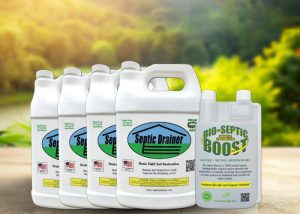
CLICK ON IMAGE TO ORDER
Spotting Trouble Before It Becomes Worse
Early signs of septic leach field failure may not seem alarming at first. You might notice wet patches in the yard even though it hasn’t rained. Sometimes, a strong odor lingers near drains or outside the house. These issues often point to wastewater no longer filtering properly through the soil.
The most common reasons behind this failure include sodium buildup in the soil, which causes a hard, impermeable layer to form under the pipes. This prevents water from moving downward as it should. Over time, this condition creates an ideal environment for anaerobic bacteria to grow, forming a layer known as Bio-Mat. This slimy build-up restricts airflow and adds to the system’s stress.
Another contributing factor is organic overloading—when too much solid material enters the tank and pushes into the leach field, overwhelming the bacteria meant to break down waste. Recognizing the signs early and choosing effective treatment options quickly can prevent further complications.
Understanding the Core of the Problem
Septic leach field failure isn’t random. It’s typically the result of three main conditions: compacted soil caused by sodium-rich wastewater, the accumulation of Bio-Mat, and an overload of organic material that upsets the biological balance within the system.
Soil compaction underneath the drain field pipes reduces the system’s ability to absorb water. Sodium plays a major role here. When wastewater high in sodium repeatedly enters the drain field, it binds with soil particles and forms a hardened layer. This “hard pan soil” condition creates a barrier that water cannot penetrate, effectively halting the filtration process.
Meanwhile, Bio-Mat—formed from waste left behind by anaerobic bacteria—sits above this hardened layer, blocking further absorption and creating foul smells. These issues work together to shut down the natural filtration processes of the septic system. A proactive leach field fix addresses both soil permeability and the microbial environment of the drain field.
Products That Make a Real Difference
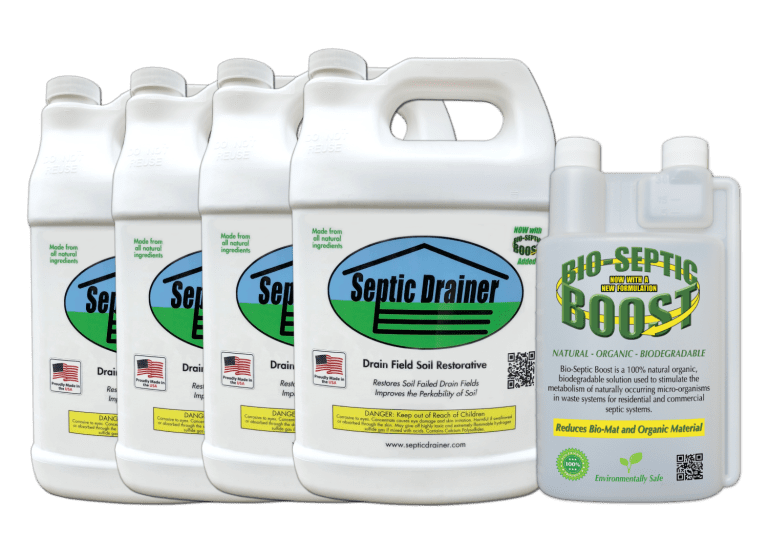
The most effective response to drain field trouble includes products that restore soil permeability and stimulate healthy bacterial activity. Septic Drainer, developed by RCS II, Inc, provides a proven approach. It’s a powerful soil conditioner that targets the compacted area under the drain field pipes. Unlike treatments focused on the tank itself, Septic Drainer reaches the heart of the problem—hard pan soil.
Using this product doesn’t require digging or replacing the soil. It works by softening the hardened layer and allowing moisture to penetrate again. When paired with Bio-Septic Boost, a sea kelp-derived bio-stimulant, it enhances microbial performance by increasing the activity of aerobic bacteria. This combination dissolves Bio-Mat and restores airflow, a critical step toward system recovery.
Bio-Septic Boost complements the action of Septic Drainer by ensuring that bacteria can thrive and perform their natural waste breakdown tasks more efficiently. Together, these tools repair not only the symptoms but the core of what causes septic leach field failure.
Choosing the Right Repair Kit for Your System
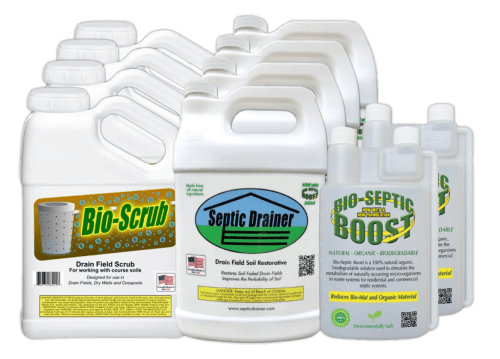
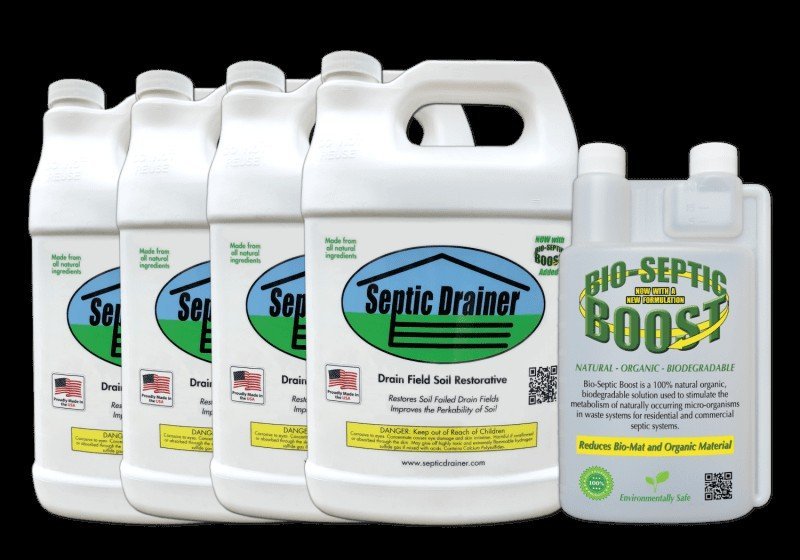
Different septic systems need different levels of care depending on the stage of failure. RCS II, Inc provides several kits tailored to system severity. For moderately failed systems in clay or sandy soils, a Drain Field Repair Kit includes four gallons of Septic Drainer and one quart of Bio-Septic Boost. This package helps open up clogged soil and revitalize microbial life, allowing the system to return to normal flow.
For older or severely impacted systems, the Mega Drain Field Repair Kit doubles the amount of treatment, helping to address extensive hard pan soil and deep-set Bio-Mat accumulation. Despite the higher volume of product, it remains an affordable choice for large-scale recovery.
The design of each kit includes user-friendly instructions. Homeowners, contractors, and septic professionals all rely on these repair tools to solve common issues without expensive excavation or replacement projects.
Long-Term Strategies to Prevent Recurrence
Once the system recovers, consistent maintenance is essential to keeping it functional. RCS II, Inc offers a Maintenance Starter Kit, which provides a cost-effective way to stay ahead of problems. The kit includes one gallon of Septic Drainer and a pint of Bio-Septic Boost, suitable for six months of preventative treatment.
Adding the solution directly to the toilet simplifies the process, ensuring it reaches the tank and then flows through to the drain field. This approach supports long-term performance, allowing systems to function smoothly and predictably year-round.
By using this preventative strategy, homeowners avoid emergency repairs and maintain proper wastewater treatment. It’s a smart, sustainable option that enhances the reliability of your septic system without relying on enzyme or bacteria-only treatments that don’t always reach the source of the problem.
Tips to Maintain a Healthy Septic System
Beyond chemical treatments, a few habits go a long way in protecting your drain field. Regular inspections help catch problems early. Avoid sending cooking grease, hygiene products, or harsh cleaning chemicals down the drain. These materials overload the system and disrupt the balance of beneficial bacteria.
Install a septic tank riser and marker for easier monitoring and access. This small investment helps identify problems quickly and reduces the time and cost involved in locating your tank. Combining responsible use with scheduled maintenance ensures your system performs as intended.
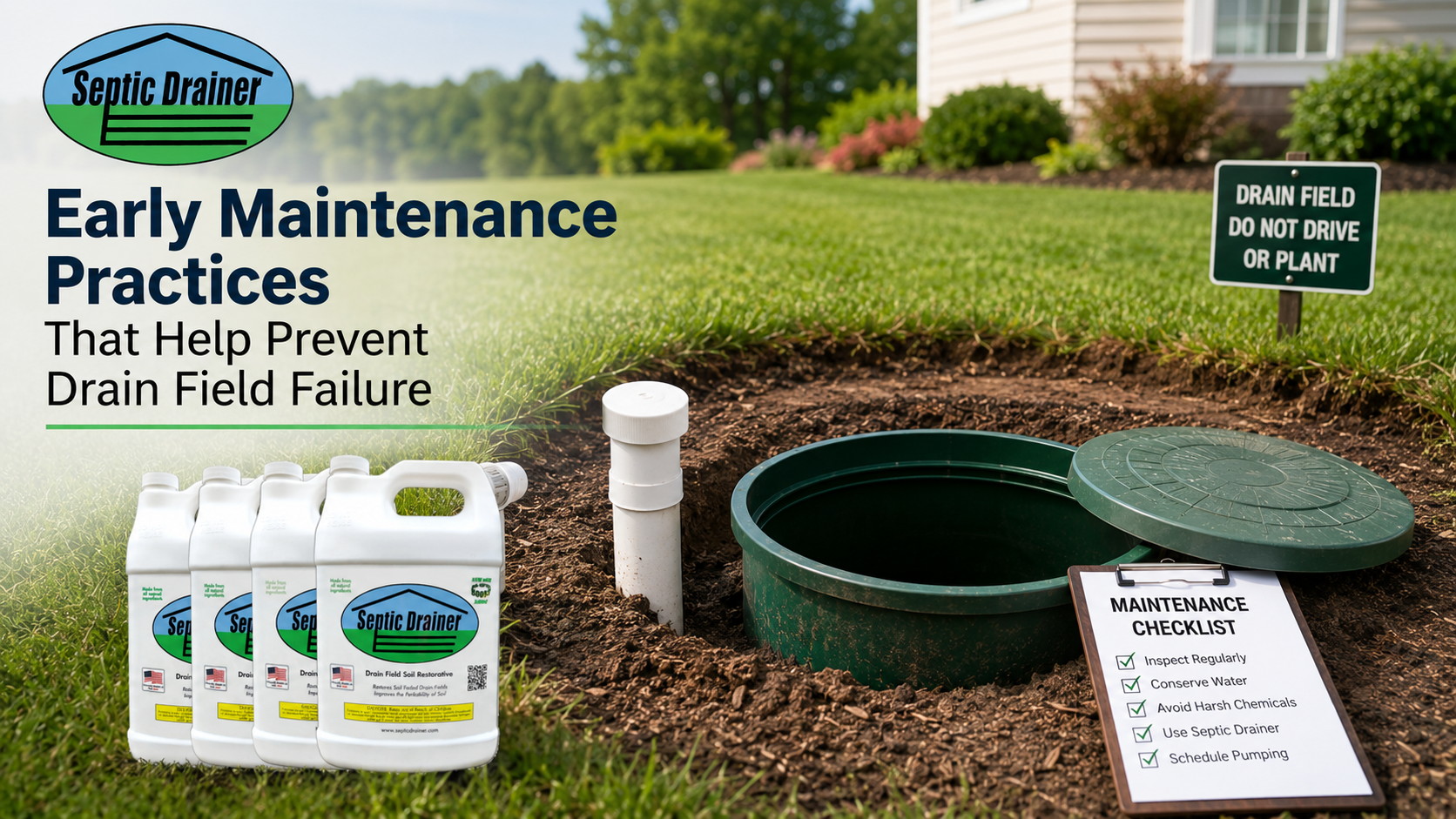
Septic Drainer’s ingredients have helped farmers manage similar soil and drainage issues for over five decades. With its addition to household septic care, effective leach field fix solutions are more accessible and practical than ever before.
Staying Prepared for the Unexpected
Even with the best care, sudden septic issues can still happen. Keeping an emergency kit on hand with additional Septic Drainer and Bio-Septic Boost ensures you’re not left scrambling. Acting quickly to restore drainage can stop damage from spreading and minimize disruption to your daily routine.
A sudden septic leach field failure demands swift and informed action. Understanding the contributing factors and using the right repair tools from RCS II, Inc gives homeowners the power to recover efficiently and without unnecessary cost. With proper steps, your system can bounce back and continue working reliably for years.
Conclusion: Turning Crisis into Control
Septic issues create stress, especially when the failure hits without warning. But effective solutions exist. From identifying early signs to applying the right treatment products, managing septic trouble is completely achievable without drastic measures.
RCS II, Inc. offers science-backed products like Septic Drainer and Bio-Septic Boost to tackle the actual causes of system failure—compacted soil, Bio-Mat, and imbalanced bacteria. With clear instructions and a practical approach, these tools restore flow and support healthy septic operation.
Whether you’re dealing with a minor backup or a sudden leach field fix scenario, the right response today can save thousands tomorrow. Stay informed, stay prepared, and take control of your septic system’s health with simple, proven methods.
Frequently Asked Questions
Q: What are the early warning signs of a septic leach field failure?
Slow drains, unpleasant odors near the drain field, and soggy spots in the yard can indicate an issue with septic leach field failure.
Q: Can a leach field fix be done without digging up the yard?
Yes, a leach field fix can often be achieved using soil conditioners and bio-stimulants that restore drainage without excavation.
Q: How does sodium buildup contribute to septic leach field failure?
Sodium binds with soil, forming a hard pan layer that blocks water absorption, leading to septic leach field failure over time.
Q: Is Septic Drainer an effective product for a leach field fix?
Septic Drainer helps improve soil permeability and airflow beneath drain field pipes, making it an effective choice for a leach field fix.
Q: What is Bio-Mat, and how does it relate to septic leach field failure?
Bio-Mat is a waste layer from anaerobic bacteria that builds up when soil becomes impermeable, often triggering septic leach field failure.
Q: When should a homeowner consider a professional for a leach field fix?
If DIY kits don’t resolve the issue or foul odors persist, it may be time to get professional help for a more advanced leach field fix.
Q: Can routine maintenance prevent septic leach field failure?
Regular maintenance using proper treatments can prevent buildup and biological failure, reducing the risk of septic leach field failure.