Homeowners with septic systems know how essential a functioning leach field is to the health of their property. Leach fields, also known as drain fields, play a vital role in wastewater management. But when a leach field becomes clogged, it can cause wet spots in your yard, foul odors, and even potential system failures. A variety of factors contribute to clogged leach fields, but with the right approach and tools, including quality products like those from RCS II, Inc., homeowners can prevent and repair leach field issues effectively.
The functionality of a leach field relies on its soil’s ability to absorb and filter wastewater. Over time, the soil under the pipe gets compacted, leading to hardpan soil formation that reduces its ability to absorb wastewater. Here is the detailed explanation behind the clogged leach field
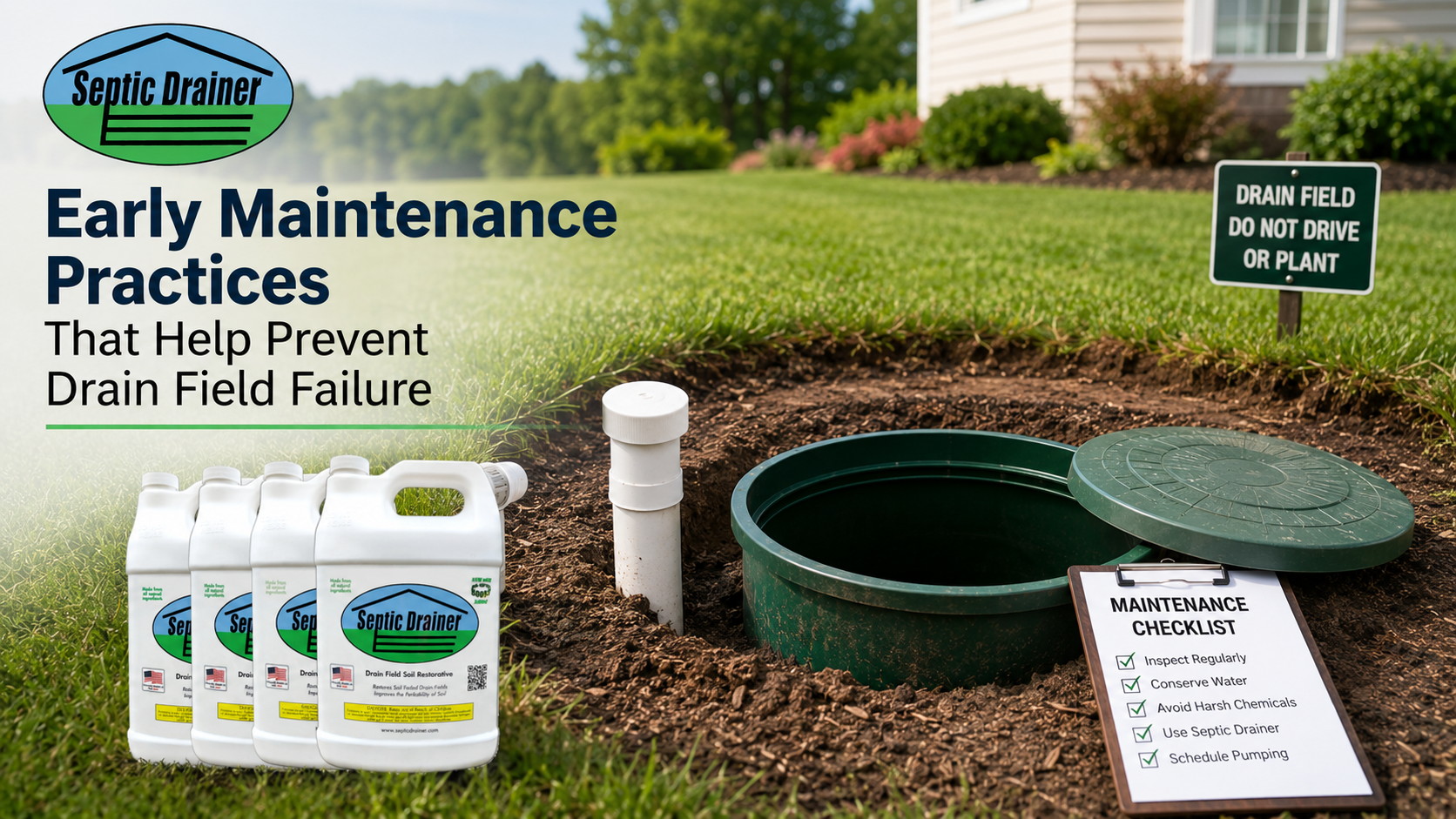
These common causes of clogged leach fields emphasize the importance of regular maintenance and the use of effective septic products. Repairing your septic drain field early is crucial to binding the soil and the Septic Drainer is competent to fulfill your requirement to repair a clogged field due to soil compaction, biomat accumulation as well as too much organic material. Septic Drainer is a soil conditioner designed to open and maintain drainage under your septic’s drain field pipes.
Septic Drainer: A Proven Solution for Clogged Leach Fields
When facing wet spots in the yard, many homeowners turn to septic system repair products to help alleviate the problem. Septic Drainer, developed by RCS II, Inc., has become a preferred choice for tackling the root causes of septic issues. Septic Drainer repairs the hard-pan soil that contributes to leach field clogging and has been effectively used by homeowners, contractors, and septic professionals to refresh & restore soil draining capability.
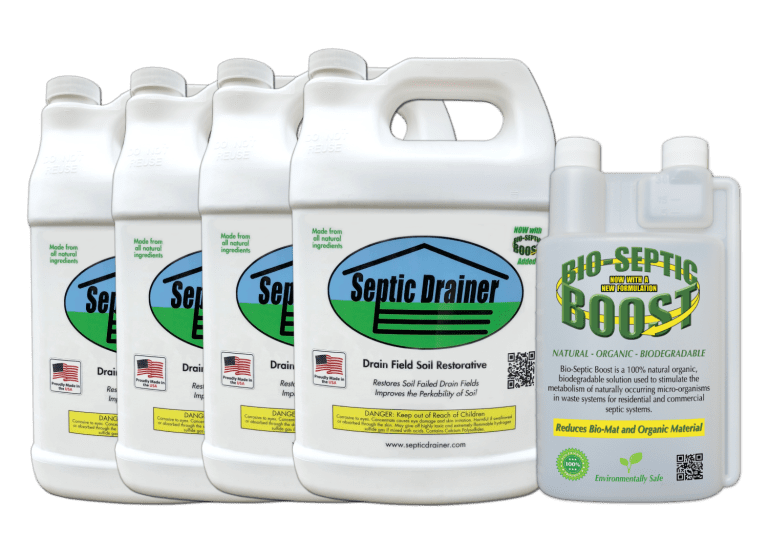
Septic Drainer’s powerful formula loosens compacted soil, allowing it to absorb water efficiently again. This product also includes Bio-Septic Boost, a bio-stimulant nutrient that promotes beneficial bacterial growth, helping restore natural balance to the system. The Bio-Septic Boost is made from kelp, which has been shown to boost bacterial activity by up to 50%, speeding up the breakdown of bio-mat and other organic materials clogging the field.
Wet Spots and the Importance of a Water Softener
Water softeners are popular among homeowners who want to reduce mineral buildup in their pipes and appliances. However, the use of a water softener can lead to sodium buildup in the soil, contributing to hard pan formation and ultimately clogging the leach field. This buildup happens when softened water, rich in sodium, is released into the septic system, eventually reaching the leach field and combining with the soil particles.
A wet spot water softener can be an effective way to address this issue. By using a water softener specifically designed to manage sodium levels, you can reduce the risk of soil hardening and prevent leach field clogs. Septic Drainer works well alongside a wet spot water softener to maintain a balanced soil environment, keeping it permeable and receptive to wastewater.
Bio-Mat Build-Up: A Symptom to Identify Leach Field Failure
Bio-mat buildup often appears in leach fields and can hinder proper wastewater drainage. However, it’s essential to recognize that bio-mat is a symptom of leach field failure rather than the primary cause. While removing bio-mat can help restore drainage, it’s crucial to address the root issue—hardpan soil. Septic Drainer tackles this underlying problem, breaking down the compacted soil layer so that water can once again flow smoothly through the field.
To eliminate bio-mat, it’s important to reintroduce airflow into the soil. By applying Septic Drainer and Bio-Septic Boos, these products restore the penetrability of your soil and eliminate Bio-Mat issues. This treatment is part of a holistic approach to managing a septic system, helping homeowners achieve a healthy, balanced environment for wastewater filtration.
Septic Drainer is a soil conditioner designed to open and maintain drainage under your septic’s drain field pipes. This high-quality drain cleaner does not have bacteria or enzymes thereby being effective in restoring clogged fields. Other than this, Bio-Septic Boost is a bio-stimulant nutrient made from a sea plant extract that enhances the biological activity of your septic system to eliminate Bio-Mat.
Repair Kits for Different Septic Conditions
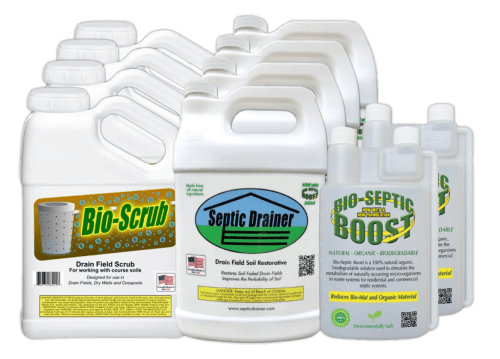
RCS II, Inc. provides a variety of septic repair kits designed to meet specific needs based on soil type, leach field condition, and system size. Each kit includes easy-to-follow instructions and effective tools to restore a clogged or moderately failed septic system.
Effective Leach Field Maintenance Tips
The Benefits of Maintaining a Healthy Septic System
A well-maintained septic system offers numerous benefits, from increased property value to reduced environmental impact. A functioning leach field ensures that wastewater is filtered effectively, protecting the groundwater and surrounding ecosystem. Furthermore, taking preventative steps reduces the likelihood of system failure, which can be costly to repair and inconvenient for homeowners.
How RCS II, Inc. Products Help Homeowners?
RCS II, Inc.’s products provide a comprehensive solution for homeowners looking to maintain or repair their septic systems. Septic Drainer not only addresses hard pan soil but also fosters an environment where natural bacteria can flourish. This balanced approach, combined with products like the Bio-Septic Boost, ensures that every aspect of leach field health is considered.
With these solutions, homeowners no longer need to dig up and replace their soil, which can be a costly and time-consuming process. Septic Drainer refreshes the soil, breaking up compacted layers and reintroducing beneficial bacteria. Whether dealing with a clogged leach field or attempting to prevent future issues, RCS II, Inc. offers reliable, easy-to-use products that simplify septic maintenance and improve system longevity.
Conclusion
Protecting your lawn from wet spots caused by a clogged leach field is achievable with the right approach and products. By understanding the causes of leach field failure and using targeted solutions, homeowners can maintain a healthier septic system, saving time, and money, and protecting their property from damage. Products like Septic Drainer and Bio-Septic Boost are essential in this process, giving you peace of mind while ensuring your septic system functions effectively.
[/fusion_text][/fusion_builder_column][/fusion_builder_row][/fusion_builder_container]