What kind of septic system do I have?” How do septic systems work?
I’d like to go above and beyond for you here with Septic Drainer, which is septic drain field repair and treatment. Let’s take a moment to educate you quickly on how septic systems work, or rather how they are meant to work when originally installed. Then I’d like to offer a solution for when you suspect septic drain field failure.
Because without this quick tutorial, fixing your failing septic system, or any other septic problems, may be like trying to piece together a puzzle, without the picture on the box!
For Septic Drain Field Maintenance:
Add 1 gallon to a household drain (toilet) per 1,000-gallon system. (1,000 gallons being an average system size)
Use one gallon every six months following the initial treatment.
Once you understand exactly how septic systems work and what your septic system does, it’s easy to see why Septic Drainer works to fix septic drain field failure. (Need to remember where your tank is? Septi-Marker safely marks the locations of a septic system’s risers and distribution box. It’s safe for lawns and low enough for lawnmowers to go over without causing damage. Order your Septi-Marker here!)
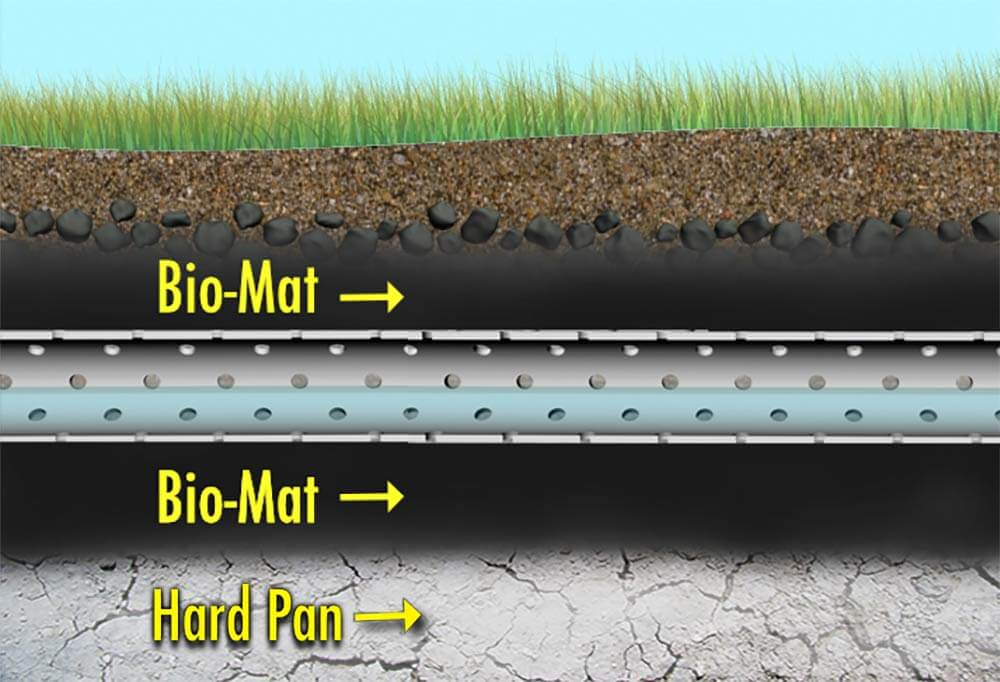
Below are three different types of septic systems that treat household sewage. Septic Drainer may be used for septic drain field maintenance in any of these systems. That includes conventional septic, dry well septic and cesspools.
*Note: An easy way to find out what type of septic system you have is by contacting your septic professional or your local county department of records. Most municipalities keep records showing building plans for systems installed after the 1970s.