Understanding the Causes of Clogged Leach Fields and Repair Techniques

Septic systems are the vital components of many homes, especially in rural areas. These systems rely on all parts to adequately function, including the leach and drain fields. The leach field filters and purifies wastewater before it returns to the environment. However, issues can arise that cause the leach field to become clogged, leading to many problems. Understanding the causes of clogged leach fields and exploring effective repair techniques can help maintain the health and longevity of your septic system.

Common Causes of Clogged Leach Fields

Clogged leach fields can result from several factors. Identifying these causes is the first step near effective drain field repair. Some common issues include:

Soil Compaction: Over time, soil in the leach field can become compacted. This compaction reduces the soil’s ability to absorb wastewater, leading to pooling and backups. Heavy machinery or foot traffic over the leach field can contribute to this problem.

Sodium Buildup: Sodium in wastewater can bind with soil particles, creating a complex, impermeable layer known as hardpan soil. This layer prevents water from filtering through the soil, leading to a clogged leach field.

Bio-Mat Accumulation: A bio-mat is a slimy layer formed by anaerobic bacteria waste. This layer can accumulate at the bottom of the trenches in the leach field, just above the hard pan soil layer, blocking the waste water flow.

Organic Overloading: Excessive organic material can overload the septic system, disrupting the bacterial balance and leading to clogging. This can occur from using too many chemical cleaners or not pumping the septic tank regularly.

Preventive Measures for a Healthy Leach Field

Preventing problems in your leach field is easier and more cost-effective than repair. Regular maintenance and mindful practices can help avoid the need for extensive drain field repair. Here are some preventive measures:

Regular Pumping: Pumping your septic tank regularly is crucial to prevent solids from entering the leach field. The pumping frequency depends on the tank’s size and the number of people in the household, but generally, it should be done every 3-5 years.

Mindful Water Usage: Excessive water use can overload the septic system. Spread out laundry loads, fix leaky faucets, and install water-saving fixtures to reduce the burden on your system.

Avoid Chemical Cleaners: Harsh chemicals can kill the favorable bacteria in your septic system, leading to imbalances and clogging. Opt for natural or septic-safe cleaning products.

Protect the Leach Field: Avoid parking vehicles or placing heavy objects over the leach field. Limit foot traffic and plant grass rather than deep-rooted plants, which can interfere with the system.

Effective Techniques for Drain Field Repair

Effective drain field repair techniques are essential when preventive measures aren’t enough and a clogged leach field occurs. RCS II, Inc. offers several solutions to restore your leach field’s functionality.

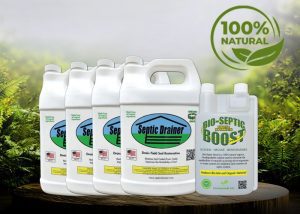
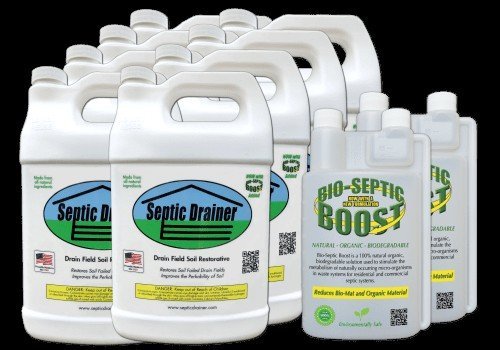
Septic Drainer: This product is designed to break up and treat clogged soil, restoring drainage in the leach field. Septic Drainer addresses the hardpan soil caused by sodium buildup and improves the absorption capacity of the soil. It’s a cost-effective solution that prevents the need to dig up and replace the soil.

Bio-Septic Boost: This bio-stimulant nutrient enhances the activity level of bacteria in the septic system, helping to consume the bio-mat that contributes to clogging. Made from kelp, it is an all-natural compound that supports a healthy bacterial balance in the system.

Septic Drain Field Repair Kits: These kits include Septic Drainer, Bio-Septic Boost, and easy-to-follow instructions. The kits are tailored to different soil types and levels of failure, ensuring effective restoration of the leach field.

Understanding and Addressing Bio-Mat Formation

Bio-mat formation is a common symptom of drain field failure but not the sole cause. Addressing bio-mat is crucial for restoring proper drainage. Anaerobic bacteria form the bio-mat and can block the wastewater flow in the trenches of the leach field. Here’s how to effectively manage and reduce bio-mat:

Enhance Aerobic Conditions: Introducing aerobic bacteria can help break down the bio-mat. Septic Drainer opens up the soil, improving airflow and creating conditions where aerobic bacteria can thrive.

Add Bio-Septic Boost: This nutrient enhances bacterial activity, promoting the breakdown of the bio-mat. By boosting the natural bacteria in your system, Bio-Septic Boost helps maintain a balanced microbial environment.

Regular Maintenance: Ongoing maintenance with products like Septic Drainer and Bio-Septic Boost can prevent bio-mat from reforming, ensuring the long-term health of your septic system.

Septic System Repair and Maintenance Kits

RCS II, Inc. offers various repair and maintenance kits designed to address specific issues and maintain your septic system’s health. These kits are tailored to different soil types and levels of failure, ensuring effective and targeted treatment.

Drain Field Repair Kit: This kit includes a Septic Drainer and Bio-Septic Boost, ideal for moderately failed leach fields. It breaks up clogged soil and enhances bacterial activity, restoring drainage in the leach field.

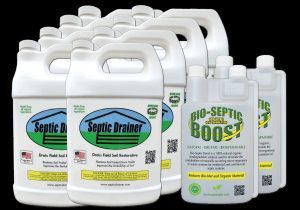
Mega Drain Field Repair Kit: This kit is designed for older or immensely failed systems. It includes twice the product of the regular kit, ensuring thorough treatment and faster recovery. The Mega Kit is particularly effective in fine soils impacted by sodium buildup.

Septic Maintenance Starter Kit: This kit is perfect for ongoing maintenance and prevention. It includes a one-year supply of Septic Drainer, Bio-Septic Boost, and a septic tank location marker. Regular use of the kit can prolong the life of your septic system and elude costly repairs.

Long-Term Septic System Care

Investing in long-term care for your septic system can save you money and prevent disruptions. Regular use of maintenance products, along with mindful practices, can keep your system functioning optimally. Here are some tips for long-term care:

Scheduled Treatments: Follow a regular treatment schedule with products like Septic Drainer and Bio-Septic Boost. These treatments prevent buildup and maintain a healthy bacterial balance.

Monitor System Performance: Keep an eye on your system performance. Slow drains, foul odors, or pooling water are signs that your system may need attention.

Professional Inspections: Periodic inspections by a septic professional can catch problems early and prevent more extensive damage. Professionals can provide valuable insights and mention appropriate treatments.

Environmental and Health Benefits

Proper septic system maintenance and repair protect your property and have significant environmental and health benefits. A well-functioning septic system prevents groundwater and surface water contamination, safeguarding drinking water sources and local ecosystems. It also reduces the risk of exposure to unsafe pathogens, protecting your family’s health.

Conclusion

Understanding the causes of clogged leach fields and employing effective repair techniques is crucial for maintaining a healthy septic system. Preventive measures, regular maintenance, and targeted repair products like those offered by RCS II, Inc. can ensure the durability and proficiency of your septic system. By taking captivating proactive steps and investing in quality maintenance, you can avoid costly repairs and enjoy a trouble-free septic system for years.
How to Maintain a Healthy Septic System with Effective Field Treatments

A well-maintained septic system is crucial for any household that relies on it for wastewater management. Ignoring regular maintenance can lead to exclusive repairs and potential health hazards. Effective maintenance involves using appropriate treatments and cleaners to ensure the system functions smoothly. This guide will provide insights into maintaining a healthy septic system using effective field treatments.

Understanding Septic System Components and Functionality

A septic system contains a septic tank and a leach field, also known as a drain field. Wastewater from the household flows into the septic tank, where solids settle at the bottom, creating sludge, while oils and grease drift to the top as scum. The clarified liquid in the middle flows out to the leach field, where the soil further treats it.

Common Causes of Septic Leach Field Failure

Septic leach field failure can be attributed to several factors that hinder the proper absorption of wastewater:

  1. Soil Compaction: Over time, soil in the leach field can become compacted, reducing its ability to absorb wastewater efficiently.
  2. Bio-Mat Accumulation: A bio-mat formed by anaerobic bacteria waste can accumulate and block the wastewater flow.
  3. Sodium Buildup: Sodium in wastewater can bind with soil particles, causing a complex pan effect that impedes absorption.
  4. Organic Overloading: Excessive organic material can overload the system, leading to bacterial imbalances and clogging.

Effective Leach Field Treatments

Regular leach field treatment is essential to prevent and address these issues. Here are some treatments that can help maintain a healthy leach field:

  • Septic Drainer

Septic Drainer is a highly effective solution for repairing and maintaining septic systems. It addresses soil compaction and sodium buildup, which are primary causes of leach field failure. By breaking down these barriers, septic drainers allow the soil to absorb wastewater more efficiently.

  • Bio-Septic Boost

Bio-Septic Boost enhances the activity of beneficial bacteria in the septic system. This bio-stimulant nutrient, made from Kelp, increases bacterial activity by up to 50%, helping to break down organic matter and bio-mat in the leach field.

Septic Field Cleaners for Ongoing Maintenance

Using a septic field cleaner regularly can prevent the buildup of sludge, scum, and bio-mat in the system. A high-quality septic field cleaner will maintain the biological health of the septic system and ensure efficient wastewater treatment.

Septic Drainer Field Repair Kits

Septic Drainer Field Repair Kits are designed to rejuvenate failing septic systems. These kits include Septic Drainer and Bio-Septic Boost, which work together to break up compacted soil and enhance bacterial activity. The kits come with easy-to-follow instructions, making them appropriate for homeowners and professionals alike.

Signs of Septic System Issues

It’s important to recognize early signs of septic system problems and address them promptly. Some common indicators include:

  • Slow Drains: Sluggish drainage in sinks, toilets, and bathtubs can signal a clogged or failing system.
  • Sewage Odors: Foul smells near the septic tank or leach field can indicate a problem.
  • Wet Spots on the Lawn: Puddles or wet areas in the yard, significantly above the leach field, suggest that the system isn’t absorbing wastewater properly.
  • Sewage Backup: Sewage backing up into the home is a simple sign of septic system failure and requires immediate attention.

Preventive Measures for a Healthy Septic System

Preventing septic system issues involves regular maintenance and mindful usage. Here are some tips to keep your septic system in good condition:

  1. Regular Pumping: Have your septic tank drove every 3-5 years to remove sludge and scum buildup.
  2. Water Conservation: Reduce water usage to prevent overloading the septic system. Fix leaks and install water-saving fixtures.
  3. Proper Waste Disposal: Avoid flushing non-biodegradable items, chemicals, and excessive grease down the drains.
  4. Protect the Leach Field: Keep heavy machinery and vehicles off the leach field to prevent soil compaction.

The Role of RCS II, Inc. in Septic System Maintenance

RCS II, Inc. offers a range of products designed to maintain and restore septic systems effectively. Their products, such as Septic Drainer and Bio-Septic Boost, are formulated to address common issues like soil compaction and bio-mat accumulation. By using these products, homeowners can prolong the life of the septic systems and avoid high repairs.

Understanding Bio-Mat and Its Impact on Septic Systems

Bio-mat is a slimy layer of organic material that forms at the bottom of leach field trenches. Anaerobic bacteria create it and can block the flow of wastewater. While bio-mat is a symptom of leach field failure, it is not the root cause. Addressing soil compaction and restoring airflow with products like Septic Drainer and Bio-Septic Boost can help eliminate bio-mat and improve drainage.

Repairing and Maintaining Failed Septic Systems

Prompt action is necessary to prevent further damage when a septic system fails. Septic Drainer and Bio-Septic Boost effectively restore failed systems by breaking up compacted soil and enhancing bacterial activity. These products can save homeowners thousands of dollars in repairs and prolong the life of their septic systems.

Septic Drain Field Repair Kits for Various Soil Types

Septic Drainer offers repair kits tailored to different soil types and failure levels. These kits include specific formulations to address the unique challenges of clay, sandy loam, gravel-based soils, and more. Homeowners can effectively restore drainage and maintain a healthy septic system by selecting the appropriate kit.

Long-Term Septic System Maintenance

Long-term maintenance is critical to preventing septic system failures. RCS II, Inc. provides comprehensive maintenance kits that include a Septic Drainer and Bio-Septic Boost. These kits offer a one-year supply of products designed to keep the septic system functioning optimally. Regularly using these products can prolong the system’s life and prevent unexpected failures.

Benefits of Regular Leach Field Treatment

Consistent leach field treatment offers several benefits, including:

  • Improved Wastewater Absorption: Treating the leach field with a Septic Drainer enhances the soil’s ability to absorb wastewater, reducing the risk of backups and pooling.
  • Enhanced Bacterial Activity: Bio-Septic Boost stimulates beneficial bacteria, stimulating the breakdown of organic matter and preventing bio-mat buildup.
  • Cost Savings: Regular maintenance prevents costly repairs and extends the septic system’s life.
  • Environmental Protection: Properly functioning septic systems prevent groundwater contamination and surrounding environments.

Conclusion

Preserving a healthy septic system is vital for any household that relies on it for wastewater management. Regular leach field treatment and effective septic field cleaners, such as those provided by RCS II, Inc., can prevent common issues and extend the system’s life. By understanding the causes of leach field failure and implementing preventive measures, homeowners can ensure their septic systems function efficiently for years.

Solving the Problem of a Clogged Leach Field Without Breaking the Bank

[fusion_builder_container type=”flex” hundred_percent=”no” equal_height_columns=”no” menu_anchor=”” hide_on_mobile=”small-visibility,medium-visibility,large-visibility” class=”” id=”” background_color=”” background_image=”” background_position=”center center” background_repeat=”no-repeat” fade=”no” background_parallax=”none” parallax_speed=”0.3″ video_mp4=”” video_webm=”” video_ogv=”” video_url=”” video_aspect_ratio=”16:9″ video_loop=”yes” video_mute=”yes” overlay_color=”” video_preview_image=”” border_color=”” border_style=”solid” padding_top=”” padding_bottom=”” padding_left=”” padding_right=””][fusion_builder_row][fusion_builder_column type=”1_1″ layout=”1_1″ background_position=”left top” background_color=”” border_color=”” border_style=”solid” border_position=”all” spacing=”yes” background_image=”” background_repeat=”no-repeat” padding_top=”” padding_right=”” padding_bottom=”” padding_left=”” margin_top=”0px” margin_bottom=”0px” class=”” id=”” animation_type=”” animation_speed=”0.3″ animation_direction=”left” hide_on_mobile=”small-visibility,medium-visibility,large-visibility” center_content=”no” last=”true” min_height=”” hover_type=”none” link=”” border_sizes_top=”” border_sizes_bottom=”” border_sizes_left=”” border_sizes_right=”” first=”true”][fusion_text]

Introduction

A septic system keeps wastewater flowing and prevents odors or surface pooling. Many homeowners face a septic drain field clogged problem when the soil under the pipes becomes hard and resistant. Treating this quickly saves thousands and restores proper drainage.

Delaying response when a clogged leach field appears can cause backups or lawn saturation. Using soil conditioners and bacterial nutrients offers a cost-effective solution. RCS II, Inc. developed products that eliminate root causes without replacing the entire drain field.

CLICK ON IMAGE TO ORDER

Recognizing Signs of a Blocked System Right Away

Look for wet patches in the yard even when no rain falls. Foul smells near drains or visible surface water often indicate that a septic drain field is clogged. Notice slow drainage in sinks or toilets. Gurgling sounds may signal that wastewater cannot exit the system.

Identify these symptoms early. They suggest the soil beneath the drain field pipes might have hardened due to sodium binding with soil particles, forming a non-permeable layer. Airflow stops above that layer. Anaerobic bacteria then form Bio‑Mat, which further blocks drainage. Understanding these signs helps you choose a budget-friendly fix.

Why Soil and Microbes Must Be Addressed Simultaneously?

Sodium buildup forms hard pan soil that blocks water. Compaction beneath drain field pipes reduces absorption. Bio‑Mat forms when airflow ceases due to that hardened layer. Organic overload worsens the imbalance. Addressing only one issue won’t restore full function.

A true fix targets both soil and microbial health. Septic Drainer softens and opens compacted areas under drain lines. Bio‑Septic Boost adds nutrients from sea kelp to stimulate bacteria that consume Bio‑Mat. Together, they restore permeability and biological activity without excavation.

Affordable Repair Kits That Save You Money

Repair kits from RCS II, Inc. include Septic Drainer and Bio‑Septic Boost, along with easy instructions. For moderate failure, one standard kit targets clay, sandy loam, or gravel soils and fixes a clogged leach field. It removes hardened soil and clears blockages.

Severe cases benefit from the Mega Kit, which uses twice the product. This treatment works faster on older or heavily impacted systems. All kits eliminate odors, surface pooling, and slow drainage without replacing soil or digging trenches.

Simple Steps to Apply Treatments Yourself

Locate the septic tank and follow instructions to apply solutions via the toilet. Septic Drainer reaches the soil under the drain pipes. Bio‑Septic Boost promotes bacterial growth in the trenches. Maintain consistent moisture during treatment for optimal absorption.

Allow time for water to move through softened soil. Avoid adding harsh chemicals. Follow the treatment schedule precisely. This DIY method restores drainage with minimal disruption and keeps costs low.

Preventive Maintenance Keeps Systems Running Smoothly

Use a maintenance starter kit every six months. That kit includes one gallon of Septic Drainer and one pint of Bio‑Septic Boost with a tank location marker. Using maintenance kits prevents a septic drain field clogged issue from ever developing.

Regular treatment maintains softness in the soil and sustains aerobic bacteria levels. It also prevents Bio‑Mat buildup. Prevention costs far less than emergency repair or drain field reconstruction.

When to Contact Professionals Instead of DIY?

If treatments don’t restore drainage or pooling worsens, broader intervention is needed. Experts offering leach field repair near you can assess soil depth, measure Bio‑Mat layers, and provide heavy-duty treatment. Professionals understand local soil conditions and apply solutions with specialized tools.

Local services save you from unnecessary trial and error. Their knowledge prevents repeat problems and protects your yard. When the costs of replacement loom, repair through local technicians often costs a small fraction and restores function faster.

Long-Term Benefits of Addressing Root Causes

Stopping surface water, foul odors, and backups improves daily life. Fixing underlying soil and microbial blockage prevents future failure. Septic Drainer treats the hardened layer. Bio‑Septic Boost keeps bacteria active and healthy.

Returning full filtration function reduces environmental risk. Property value stays stable when systems remain functional. Treatment also avoids heavy construction and offers eco-friendly results.

Final Thoughts for Economic Relief

Cost-effective remedies target the two main issues: hardened soil and reduced bacterial function. Septic Drainer breaks open compacted soil beneath pipes. Bio‑Septic Boost stimulates natural bacteria to clear Bio‑Mat. Kits include straightforward instructions and work across different soil types. Ongoing maintenance keeps systems functioning and prevents surprise backups or yard flooding.

Avoid costly pipe replacement or excavation by acting quickly with the right tools. Restoration through these methods restores filtration and saves you thousands. For complicated issues, local repair professionals can apply advanced treatment without damage to your yard. Choose prevention, treat early signs, and your septic system can run smoothly for many years.

RCS II, Inc. offers reliable products backed by decades of agricultural use. Their approach makes fixing a clogged leach field affordable and effective. Take control of system health today and avoid expensive fixes tomorrow.

Frequently Asked Questions

  1. Can septic drain field clogging issues be fixed without excavation?

    Yes. Soil conditioner and bacterial nutrient treatments restore soil permeability and eliminate blockages without digging up the field.
  2. Why does a clogged leach field form over time?

    Sodium in wastewater binds soil, stops airflow, and allows Bio‑Mat to accumulate. That clogged leach field slows or halts drainage.
  3. Are DIY repair kits effective for minor system failure?

    Yes. Standard kits include a soil softener and bio-stimulating nutrient that breaks up hardened soil and promotes microbial health.
  4. How often should maintenance treatments be applied?

    Every six months, with a starter maintenance kit, keep the system clear and prevent a septic drain field clogging issue from developing.
  5. When should I look for a leach field repair near you?

    Contact local professionals if treatment fails to improve drainage, odors worsen, or surface pooling increases significantly.
  6. Will treatments work on all soil types?

    Standard treatments suit clay, sandy loam, and gravel-based systems. Match your products to your soil and follow instructions.
  7. Can Bio‑Mat return after treatment?

    Bio‑Mat returns if airflow remains blocked. Proper treatment and periodic maintenance prevent its return by keeping the soil open and bacteria balanced.

[/fusion_text][/fusion_builder_column][/fusion_builder_row][/fusion_builder_container]

How does a Septic System Cleaner Enhance Septic Drain Field Cleaning Results?

[fusion_builder_container type=”flex” hundred_percent=”no” equal_height_columns=”no” menu_anchor=”” hide_on_mobile=”small-visibility,medium-visibility,large-visibility” class=”” id=”” background_color=”” background_image=”” background_position=”center center” background_repeat=”no-repeat” fade=”no” background_parallax=”none” parallax_speed=”0.3″ video_mp4=”” video_webm=”” video_ogv=”” video_url=”” video_aspect_ratio=”16:9″ video_loop=”yes” video_mute=”yes” overlay_color=”” video_preview_image=”” border_color=”” border_style=”solid” padding_top=”” padding_bottom=”” padding_left=”” padding_right=””][fusion_builder_row][fusion_builder_column type=”1_1″ layout=”1_1″ background_position=”left top” background_color=”” border_color=”” border_style=”solid” border_position=”all” spacing=”yes” background_image=”” background_repeat=”no-repeat” padding_top=”” padding_right=”” padding_bottom=”” padding_left=”” margin_top=”0px” margin_bottom=”0px” class=”” id=”” animation_type=”” animation_speed=”0.3″ animation_direction=”left” hide_on_mobile=”small-visibility,medium-visibility,large-visibility” center_content=”no” last=”true” min_height=”” hover_type=”none” link=”” border_sizes_top=”” border_sizes_bottom=”” border_sizes_left=”” border_sizes_right=”” first=”true”][fusion_text]

Introduction

Maintaining a reliable septic system depends on a clean, functioning drain field. A well-chosen septic system cleaner helps restore drainage, control odors, and prevent serious issues from developing in your leach field. RCS II, Inc. offers science-backed solutions that enhance septic drain field cleaning while addressing the underlying causes of system failure.

Why Septic Drain Field Cleaning Needs Supportive Products?

Septic drain field cleaning aims to maintain the soil’s ability to absorb and filter wastewater. Problems often arise when sodium-rich wastewater creates a hardened layer under the drain field pipes. That layer disrupts airflow to the soil, leading to the accumulation of Bio-Mat—a slimy coating of anaerobic bacteria waste—right above the hardened zone. Without restoring soil permeability first, cleaning alone fails to produce lasting results. That’s where a targeted septic system cleaner becomes essential.

CLICK ON IMAGE TO ORDER

Key Soil Challenges That Affect Drain Fields

Sodium binds with soil particles under the drain field pipes, forming hardpan soil. That layer blocks vertical water flow. Over time, soil compaction under those pipes worsens absorption and encourages surface pooling or sewage backups. Meanwhile, Bio-Mat sits above this barrier, blocking wastewater flow. Organic overloading adds to the problem by disrupting the bacterial balance in the septic tank, pushing excess solids into the drain field. Tackling these challenges requires more than cleaning—it demands a combination of soil conditioning and microbial support.

How Soil Conditioner Improves Drain Field Performance?

Septic Drainer, developed by RCS II, Inc, targets hard pan soil directly under the drain field pipes. It breaks up sodium-induced compaction without excavation. By softening the hardened layer, Septic Drainer restores airflow and allows wastewater to percolate naturally. Once soil permeability returns, aerobic bacteria can thrive and further clean the system naturally.


Role of Bio‑Stimulant Nutrient in the Cleaning Process

Bio‑Septic Boost is a nutrient-rich sea plant extract that accelerates aerobic bacteria growth. It supports septic drain field cleaning by helping eliminate Bio‑Mat buildup efficiently. Studies show kelp-derived nutrients can improve bacterial activity by up to 50%. Combining Bio‑Septic Boost with Septic Drainer ensures the microbial environment remains active long after initial treatment, preventing recurring issues.

Choosing the Right Kit for Your Needs

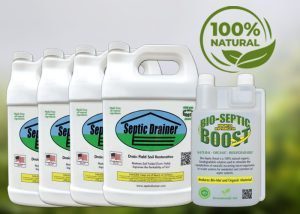
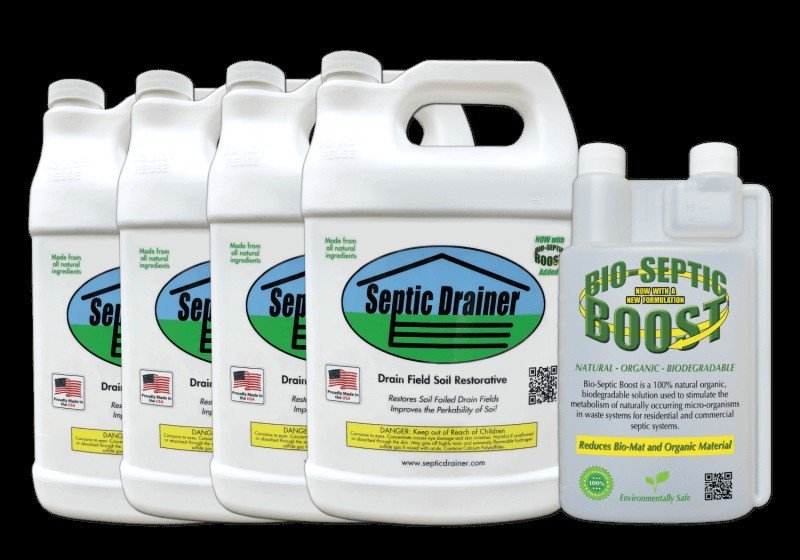
RCS II, Inc offers multiple repair kits based on system condition and soil type. For moderately clogged systems, the standard Drain Field Repair Kit includes four gallons of Septic Drainer and one quart of Bio‑Septic Boost. This combination addresses soil hardness and microbial imbalance efficiently.

For older or heavily impacted systems, the Mega Drain Field Repair Kit provides double the volume to remedy deep-seated issues. Each kit includes step-by-step application guidance, so homeowners can confidently restore septic drain field cleaning results without professional help.

Best Practices During and After Application

  • Apply Septic Drainer first to soften and open compacted soil. Allow time for it to penetrate through the hardened layer.
  • Follow with Bio‑Septic Boost to activate aerobic bacteria. These bacteria consume Bio‑Mat and support long‑term filtration.
  • Avoid harsh cleaners or chemicals that disrupt bacterial balance. High-quality septic system cleaner products should not rely solely on bacteria or enzymes—these often fail to reach the drainage soil below the pipe zone.
  • Monitor system performance—look for improved drain flow, reduced odor, and elimination of yard pooling. If symptoms persist, additional treatment or professional evaluation may be needed.

Preventive Maintenance for Lasting Septic Health

Regular use of septic system cleaner in combination with bio-stimulants helps keep soil permeable and bacteria active. RCS II, Inc. offers a Maintenance Starter Kit with sufficient product for six months of scheduled application. This kit includes Septic Drainer, Bio‑Septic Boost, and a tank location marker for easy access. Routine use prevents buildup, extends drain field lifespan, and reduces the need for reactive cleaning.

When Cleaning Alone May Not Be Enough?

Septic drain field cleaning can restore flow in many situations—but when soil remains impermeable or Bio‑Mat persists, cleaning water may continue to pool at the surface. Handling sodium buildup and soil compaction requires a soil conditioner first. If basic cleaning doesn’t fully resolve symptoms like odors or slow drainage, consider a complete system check and ongoing use of treatment solutions.

Partnering With Professionals When Needed

Some cases require more than DIY care. If water continues pooling or slow drainage does not improve, consult septic professionals. They may provide enhanced support, especially for larger systems or challenging soil conditions. Combining professional guidance with Septic Drainer and Bio‑Septic Boost gives the best chance to preserve septic drainage and prevent long-term failure.

Final Insights on Enhancing Cleaning Outcomes

Septic drain field cleaning works best when combined with a targeted septic system cleaner and bio‑stimulant. Soil conditioning restores natural absorption, and aerobic bacteria eliminate blockages like Bio‑Mat. RCS II, Inc. solutions deliver both, enabling effective cleaning and long-term system resilience.

Using this two-pronged approach transforms septic maintenance. It exceeds what basic cleaning alone can achieve, reversing the causes of drain field failure without digging or costly replacement. With regular application and occasional re-treatment, homeowners can keep their septic systems running smoothly for years—delay costs, eliminate odors, and restore reliable drainage.

Frequently Asked Questions

  1. What does a septic system cleaner do, and why is it important?

A septic system cleaner works by breaking down organic waste, grease, and solid buildup inside the tank and piping. It helps maintain flow, reduces odors, and prevents clogs that could lead to expensive repairs or system failure.

  1. How do I know when my property needs septic drain field cleaning?

You may need septic drain field cleaning if you notice soggy soil, slow drains, or unpleasant smells near your drain field. These symptoms often signal buildup or blockage in the soil, requiring targeted cleaning to restore filtration.=

  1. Is using a septic system cleaner enough to avoid system failure?

While a septic system cleaner can help keep things running smoothly, it’s not a complete solution. Regular inspections, tank pumping, and proper water usage are essential to prevent issues beyond what cleaners can manage.

  1. How does septic drain field cleaning restore system performance?

Septic drain field cleaning targets the soil around the field to remove Bio-Mat buildup and excess solids. This improves absorption and restores natural filtration, often solving problems without replacing the entire field.

  1. Can I use a septic system cleaner if my tank hasn’t been pumped in years?

You should not rely solely on a septic system cleaner if your tank hasn’t been pumped in a long time. Solid waste buildup needs to be professionally removed first; then cleaners can help maintain the system between pump-outs.

  1. How often should septic drain field cleaning be performed?

Most systems benefit from septic drain field cleaning every few years, especially if there’s heavy usage. If you notice signs of trouble or your system is aging, more frequent cleanings can help extend its life and performance.

  1. Are chemical septic system cleaners safe for long-term use?

Not all septic system cleaners are safe for long-term use. Harsh chemicals can kill beneficial bacteria and damage pipes. Opt for eco-friendly or biological cleaners that support your system’s natural functions without causing harm.

[/fusion_text][/fusion_builder_column][/fusion_builder_row][/fusion_builder_container]

Best Practices for Septic Treatments to Keep Systems Flowing Smoothly

[fusion_builder_container type=”flex” hundred_percent=”no” equal_height_columns=”no” menu_anchor=”” hide_on_mobile=”small-visibility,medium-visibility,large-visibility” class=”” id=”” background_color=”” background_image=”” background_position=”center center” background_repeat=”no-repeat” fade=”no” background_parallax=”none” parallax_speed=”0.3″ video_mp4=”” video_webm=”” video_ogv=”” video_url=”” video_aspect_ratio=”16:9″ video_loop=”yes” video_mute=”yes” overlay_color=”” video_preview_image=”” border_color=”” border_style=”solid” padding_top=”” padding_bottom=”” padding_left=”” padding_right=””][fusion_builder_row][fusion_builder_column type=”1_1″ layout=”1_1″ background_position=”left top” background_color=”” border_color=”” border_style=”solid” border_position=”all” spacing=”yes” background_image=”” background_repeat=”no-repeat” padding_top=”” padding_right=”” padding_bottom=”” padding_left=”” margin_top=”0px” margin_bottom=”0px” class=”” id=”” animation_type=”” animation_speed=”0.3″ animation_direction=”left” hide_on_mobile=”small-visibility,medium-visibility,large-visibility” center_content=”no” last=”true” min_height=”” hover_type=”none” link=”” border_sizes_top=”” border_sizes_bottom=”” border_sizes_left=”” border_sizes_right=”” first=”true”][fusion_text]

Introduction

A septic system works quietly beneath the ground, handling wastewater safely and efficiently. When the system falters, it often starts with the drain field losing its ability to filter and absorb water properly. Homeowners may face slow drains, foul odors, or standing water across the yard. These issues signal underlying soil and biological challenges that demand more than surface-level fixes.

Understanding the causes of failure and applying targeted solutions ensures your septic system continues to run effectively. Reliable products and proper maintenance practices keep problems from escalating into costly system replacements.

Understanding Septic Leach Field Failure

Septic leach field failure happens when the soil beneath the system no longer allows wastewater to percolate through. The U.S. Environmental Protection Agency notes that about 90% of septic failures occur in the drain field. Once wastewater loses its natural pathway, backup, pooling, and odors quickly follow.

Sodium in wastewater often binds with soil particles, creating hard, impermeable layers. Over time, this reduces the ability of the ground to absorb water. Soil compaction under the pipes further limits permeability, while bacterial activity without airflow allows Bio-Mat to accumulate. Excess organic waste can push the system even further toward failure.

septic treatments

CLICK ON IMAGE TO ORDER

Signs Your Septic System Needs Attention

A healthy system rarely calls attention to itself. Problems become noticeable when efficiency drops. Common signs include:

  • Pooling water over the drain field area
  • Persistent sewage odors around the yard or house
  • Gurgling sounds inside plumbing lines
  • Sluggish drains in sinks, bathtubs, or toilets

These symptoms suggest that water and waste can no longer move smoothly through the soil. Prompt action prevents deeper damage and restores normal function.

Causes Behind Leach Field Malfunctions

Multiple conditions create drain field problems:

  • Sodium buildup: Forms a hardened soil layer known as hard pan, cutting off water absorption.
  • Soil compaction: Pressure and chemical binding under drain pipes limit permeability.
  • Bio-Mat accumulation: Anaerobic bacteria waste builds a slimy barrier just above the compacted soil.
  • Organic overloading: Too much organic matter destabilizes the bacterial balance, blocking flow.

Recognizing these issues helps homeowners choose solutions that correct the actual cause rather than treating only symptoms.

Septic Drainer: Opening the Soil for Repair

Septic Drainer, developed by RCS II, Inc, acts as a soil conditioner designed to restore permeability beneath drain field pipes. It works by breaking apart sodium-hardened layers and reopening the natural pathways for water and air. Once airflow returns, the right aerobic bacteria can flourish, consuming Bio-Mat and restoring balance.

Farmers have used its ingredients for decades to improve soil conditions. Today, the formula addresses 90% of septic issues without digging or replacing soil. By treating the ground directly, it refreshes the system and prevents recurring blockages.

Bio-Septic Boost: Supporting Healthy Bacterial Activity

While Septic Drainer restores airflow and breaks apart compacted layers, Bio-Septic Boost fuels the system’s biological engine. Made from sea plant extracts, it stimulates aerobic bacterial growth by up to 50%. These bacteria digest organic matter more effectively, helping to eliminate Bio-Mat while keeping waste moving smoothly.

This bio-stimulant works hand in hand with soil conditioning, ensuring both the physical and biological elements of the system remain in balance. Together, they provide lasting results far beyond temporary fixes.

Septic Drain Field Repair Kits for Every Condition

RCS II, Inc offers repair kits tailored for a range of soil types and failure stages. Each kit includes Septic Drainer and Bio-Septic Boost, with easy instructions for application.

  • Standard Repair Kits: Designed for moderate failures in clay, sandy loam, and gravel-based soils.
  • Mega Drain Field Repair Kit: Doubled formula for older or severely failed systems where sodium buildup and compaction are extensive.
  • Seepage Pit and Well Kits: Target vertical dry wells and seepage pits with combined treatment using Bio-Scrub for difficult soils.

These repair kits resolve drainage problems without excavation, restoring wastewater flow and eliminating surface pooling or foul odors.

Septic Maintenance Kits for Ongoing Care

Prevention plays the most important role in long-term septic system health. Maintenance kits offer simple, scheduled applications that keep soil permeable and microbial activity strong.

Options include:

  • Septic Maintenance Starter Kit: One gallon of Septic Drainer, one pint of Bio-Septic Boost, and a septic marker—enough for six months of care.
  • One-Year Maintenance Kit: A full annual supply with two gallons of Septic Drainer and one quart of Bio-Septic Boost for consistent upkeep.
  • Subscription Plans: Deliver scheduled treatments every six months, making septic care convenient and reliable.

Routine use of these kits reduces the chance of clogs, surface pooling, and Bio-Mat formation, extending the system’s lifespan while saving thousands in potential repairs.

What is a Cesspool and How Does It Differ?

Many homeowners wonder, what is a cesspool, and how does it compare to a septic system? A cesspool is an underground pit lined with concrete, stone, or brick that allows liquid waste to seep into the surrounding soil, while solids settle inside. Unlike septic systems, cesspools do not treat wastewater with bacteria before releasing it.

Because cesspools lack the filtration and treatment process, they often cause groundwater contamination and require more frequent pumping. They are less efficient than modern septic systems and have been phased out in many areas. Still, some older properties continue to use them, making it important to understand the difference when planning upgrades or maintenance.

Long-Term Care and Preventive Practices

Septic systems remain dependable when given the right care. Following these practices helps sustain performance:

  • Use high-quality cleaners that avoid bacteria or enzyme additives.
  • Stick to a scheduled treatment plan with soil conditioners and bio-stimulants.
  • Pump the septic tank regularly to prevent overload in the drain field.
  • Avoid flushing chemicals or items that disrupt bacterial balance.
  • Monitor for early signs of drainage issues to act before failure occurs.

A combination of good habits and the right products keeps wastewater flowing smoothly and prevents costly breakdowns. For more details, contact us now.

Frequently Asked Questions

  1. How do septic treatments protect a system from failure?

Septic treatments improve soil permeability, restore airflow, and encourage bacterial balance. This combination eliminates clogs and maintains wastewater absorption.

  1. What is a cesspool and why are they less common today?

A cesspool is a simple underground pit that allows liquid waste to seep into the soil while solids remain inside. They are less common because they lack treatment capability and often pollute groundwater.

  1. How quickly can septic treatments show results in a failing drain field?

Many systems see noticeable improvement within weeks, as soil opens up and bacterial activity increases. Full restoration depends on soil type and the extent of sodium buildup.

  1. Can a homeowner apply septic treatments without professional help?

Yes, many treatment kits include simple instructions that allow homeowners to handle the application. More severe failures may still require professional evaluation.

  1. What is the main drawback of cesspool compared to septic system?

Cesspools release untreated wastewater into the soil, which can contaminate groundwater and create public health risks. Septic systems treat and filter waste more effectively.

  1. Are septic treatments safe for clay or sandy soils?

Yes, formulations are designed for multiple soil conditions, including clay, sandy loam, and gravel-based fields. Always follow product directions for best results.

  1. How do I know if I have a cesspool or septic system?

A cesspool usually lacks a drain field and has a single large pit for waste. A septic system includes a tank and a leach field for filtering and treating wastewater.

[/fusion_text][/fusion_builder_column][/fusion_builder_row][/fusion_builder_container]

How Leach Field Repair Near You Can Save Your Home from Damage?

[fusion_builder_container type=”flex” hundred_percent=”no” equal_height_columns=”no” menu_anchor=”” hide_on_mobile=”small-visibility,medium-visibility,large-visibility” class=”” id=”” background_color=”” background_image=”” background_position=”center center” background_repeat=”no-repeat” fade=”no” background_parallax=”none” parallax_speed=”0.3″ video_mp4=”” video_webm=”” video_ogv=”” video_url=”” video_aspect_ratio=”16:9″ video_loop=”yes” video_mute=”yes” overlay_color=”” video_preview_image=”” border_color=”” border_style=”solid” padding_top=”” padding_bottom=”” padding_left=”” padding_right=””][fusion_builder_row][fusion_builder_column type=”1_1″ layout=”1_1″ background_position=”left top” background_color=”” border_color=”” border_style=”solid” border_position=”all” spacing=”yes” background_image=”” background_repeat=”no-repeat” padding_top=”” padding_right=”” padding_bottom=”” padding_left=”” margin_top=”0px” margin_bottom=”0px” class=”” id=”” animation_type=”” animation_speed=”0.3″ animation_direction=”left” hide_on_mobile=”small-visibility,medium-visibility,large-visibility” center_content=”no” last=”true” min_height=”” hover_type=”none” link=”” border_sizes_top=”” border_sizes_bottom=”” border_sizes_left=”” border_sizes_right=”” first=”true”][fusion_text]

Introduction

A septic system protects your home by handling wastewater safely and effectively. When it functions as intended, it stays out of sight and out of mind. Problems often show up quietly at first—slow drains, strange gurgling, or unpleasant odors. Left unaddressed, those warning signs can lead to major property damage. Reliable care, combined with the right tools, prevents failure and keeps your home safe.

Why Septic Treatments Matter for Homeowners?

Every septic system relies on a balance between soil, bacteria, and drainage. That balance can shift over time because of sodium buildup, Bio-Mat accumulation, or organic overload. Effective septic treatments restore soil permeability and microbial activity. They prevent clogging, reduce odors, and extend the lifespan of the system.

Some homeowners also seek the best septic tank cleaner to complement long-term maintenance. A high-quality cleaner does not rely on bacteria or enzymes. Instead, it focuses on breaking down materials in a way that supports the natural system without disrupting balance. This careful approach ensures better flow and minimizes unnecessary strain on the leach field.

CLICK ON IMAGE TO ORDER

Signs Your Septic System Is in Trouble

A healthy septic system runs silently in the background. When problems arise, the warning signs become noticeable:

  • Wastewater surfacing in the yard
  • Persistent sewage odors near the field
  • Gurgling pipes inside the home
  • Slow-draining sinks, bathtubs, or showers

These symptoms indicate that the soil beneath your leach field struggles to absorb water. A hardened sodium layer cuts off airflow, allowing a Bio-Mat to form. That slimy layer further blocks drainage, worsening the issue. Recognizing these red flags early helps you act before damage spreads.

Understanding the Root Causes of Leach Field Failure

Leach field failure rarely happens overnight. It develops over years of subtle changes underground. Key triggers include:

  • Sodium buildup: Sodium binds with soil particles, creating a nonporous layer known as hard pan. This prevents water absorption.
  • Soil compaction beneath pipes: Over time, soil under the drain field hardens, reducing its ability to filter and absorb wastewater.
  • Bio-Mat accumulation: Once airflow stops, anaerobic bacteria dominate, creating a thick layer of waste that clogs the soil.
  • Organic overloading: Too much household waste or harsh chemicals can upset the bacterial balance and overwhelm the field.

Addressing these issues requires more than just tank pumping. The soil itself must be treated to restore function.

Septic Drainer: Designed to Address the Source

Septic Drainer was developed by RCS II, Inc. to repair failed drain fields and resolve 90% of septic issues. Rather than masking problems, it targets the root cause by conditioning the soil. The formula breaks down hardened sodium layers and restores permeability, allowing oxygen back into the system.

Once airflow returns, aerobic bacteria thrive again, consuming Bio-Mat and restoring natural filtration. Farmers have used the core ingredients of Septic Drainer for decades, and research confirms its ability to reverse damage without excavation.

Bio-Septic Boost Enhances Biological Activity

Pairing Septic Drainer with Bio-Septic Boost creates a complete repair process. Bio-Septic Boost is made from sea plant extracts and works as a bio-stimulant nutrient. Independent studies show kelp can enhance bacterial activity by up to 50%.

This boost accelerates the breakdown of organic matter and strengthens the long-term health of the system. By improving the efficiency of aerobic bacteria, Bio-Septic Boost eliminates Bio-Mat more effectively and ensures the soil remains open and functional.

Repairing Septic Systems with Leach Field Kits

When signs of septic trouble appear, repair kits offer an immediate solution. RCS II, Inc. provides different packages tailored to soil types and system conditions.

  • Drain Field Repair Kit: Ideal for moderately failed fields in sandy loam, clay, or gravel-based soils. It includes Septic Drainer and Bio-Septic Boost to restore flow and eliminate odors.
  • Mega Drain Field Repair Kit: Designed for older systems or severe failures. This package doubles the product volume to break apart hard pan soil more aggressively.
  • Specialized Repair Kits: Created for seepage pits, wells, and vertical dry wells. These use a combination of Septic Drainer, Bio-Septic Boost, and Bio-Scrub for unique conditions.

Each kit includes clear instructions, making them accessible to homeowners and professionals alike. 

Leach Field Repair Near You: Knowing When to Call

DIY solutions often work for moderate problems, but severe failures demand professional attention. When treatments don’t improve drainage or odors, it’s time to look for leach field repair near you.

Local professionals understand the soil composition in your area and can tailor solutions accordingly. Quick action prevents contamination, protects property value, and saves money by avoiding full replacement. Working with a qualified technician ensures the repair process addresses both the immediate issue and long-term system health.

Long-Term Septic Health Starts with Routine Care

Routine maintenance prevents most failures. Septic Drainer and Bio-Septic Boost, when used consistently, keep soil permeable and bacteria balanced. Even if no problems are visible, soil changes can silently develop.

Regular treatments maintain:

  • Consistent drainage flow
  • Aerobic bacterial health
  • Reduced risk of Bio-Mat formation
  • Protection against costly breakdowns

Establishing a maintenance schedule is one of the smartest investments for septic longevity.

Septic Maintenance Kits for Every System Type

Different properties require different solutions. RCS II, Inc. designed maintenance kits for a variety of needs:

These kits simplify care, making routine maintenance achievable without disruption. 

Why Treatment Shouldn’t Be an Afterthought?

Neglecting septic care risks contamination, property damage, and system replacement. Treatments like Septic Drainer and Bio-Septic Boost solve underlying problems—hard pan soil, microbial imbalance, and Bio-Mat formation.

Homeowners who act proactively protect their property and avoid expensive overhauls. Whether through regular treatments or timely professional help, consistent care ensures the system works smoothly for years.

Wrapping Up: Focus on What Matters Most

Your septic system protects your home, health, and environment. Waiting until problems escalate leads to frustration and unnecessary costs. Combining effective treatments with professional guidance, when needed, ensures your system stays functional.

Products from RCS II, Inc. offer solutions that restore function, prevent failure, and support long-term care. By using the right treatments and knowing when to seek leach field repair near you, you safeguard your property and avoid preventable damage. For more details contact us now.

Frequently Asked Questions

  1. What makes the best septic tank cleaner different from standard options?

    A high-quality cleaner avoids unnecessary bacteria or enzymes. Instead, it focuses on breaking down waste effectively without upsetting the system’s balance.
  2. How do I know when to call for leach field repair near you?

    Seek local repair services if your system continues showing slow drains, odors, or pooling water after treatments.
  3. Can the best septic tank cleaner prevent Bio-Mat buildup?

    Yes, the right cleaner supports natural bacteria and prevents the anaerobic conditions that encourage Bio-Mat growth.
  4. What benefits come from choosing leach field repair near you?

    Local services understand your soil type and provide targeted solutions, ensuring faster and more reliable results.
  5. How often should the best septic tank cleaner be used?

    Most systems benefit from treatment every six months as part of a routine maintenance plan.
  6. Why is timely leach field repair near you so important?

    Quick intervention prevents contamination, protects property value, and avoids costly system replacement.
  7. Can the best septic tank cleaner extend the life of my system?

    Yes, by maintaining balance and preventing clogs, it helps systems last longer with fewer disruptions.

[/fusion_text][/fusion_builder_column][/fusion_builder_row][/fusion_builder_container]