Clay Soil and Septic Systems: Understanding Drainage Problems

Summary: Clay soil has a dense structure that affects how quickly wastewater moves through a septic drain field. When poor drainage combines with soil compaction, organic buildup, or excessive wastewater loading, the system may develop slow drainage and surface pooling. Understanding these risks helps homeowners recognize early warning signs, protect soil performance, and determine when clogged drain field repair or professional assessment may be appropriate.

A septic system depends on soil to receive, filter, and disperse treated wastewater after it leaves the septic tank. In a conventional system, wastewater enters the drain field through distribution pipes and gradually moves into surrounding soil. Clay-heavy soil often presents a greater drainage challenge because its fine particles create smaller spaces for water movement. When these spaces become restricted by compaction or buildup, clogged drain field repair may become necessary. Homeowners dealing with related leach-field issues may also encounter the need for leach drain repair, depending on the system design and extent of the problem.

Why Clay Soil Creates Drainage Challenges?

Clay is a soil that is composed of very tiny soil particles that are very tightly packed together. This arrangement reduces the permeability of the soil and allows less water to pass through it than does coarser soil like gravel or a sandy soil.

For septic drain fields to absorb and process wastewater, the soil needs to be suitable for them. Wastewater can stay on the soil surface longer because clay hinders the flow of water. The hydraulic load (water flow) can be larger due to rainfall or due to water usage associated with domestic activity, and see the problem was more apparent.

A system failure does not always start with the complete failure of the system. A gradual deterioration of drainage could initially manifest as a decrease in absorption, wet spots or areas, foul odours or excessive growth over sections of the drain field.

How Soil Compaction Makes the Problem Worse? 

Another critical consideration with regard to septic systems, especially those made of clay, is compaction. Repeated use (heavy trucks, construction equipment) over the drain field can compress soil particles and affect the soil’s pore space.

EPA guidelines suggest steering clear of bringing vehicles and heavy equipment into the vicinity of drain fields because soil compaction can compromise pipes and diminish soil’s effectiveness. The homeowners should also make sure that there are no excess water sources, such as roof drains, sump-pump discharge, etc., located near the drain field.

Clay soil is particularly important, as it is compact and has built-in restrictions to water flow. Further compaction may further limit infiltration and bring about saturated conditions.

Bio-Mat and Organic Buildup 

Over the course of time, a biological layer will naturally form in a septic drain field near the interface between the wastewater and the soil. The research by EPA brings to light this term, a clogging mat, or biomat, that builds up as the wastewater infiltrates the soil. Other factors such as overloading may impact infiltration in the long term.

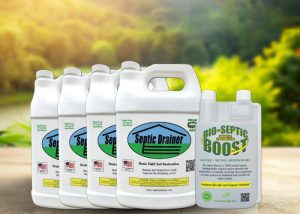
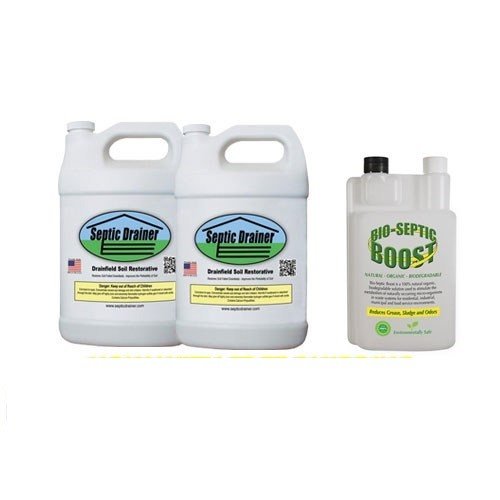
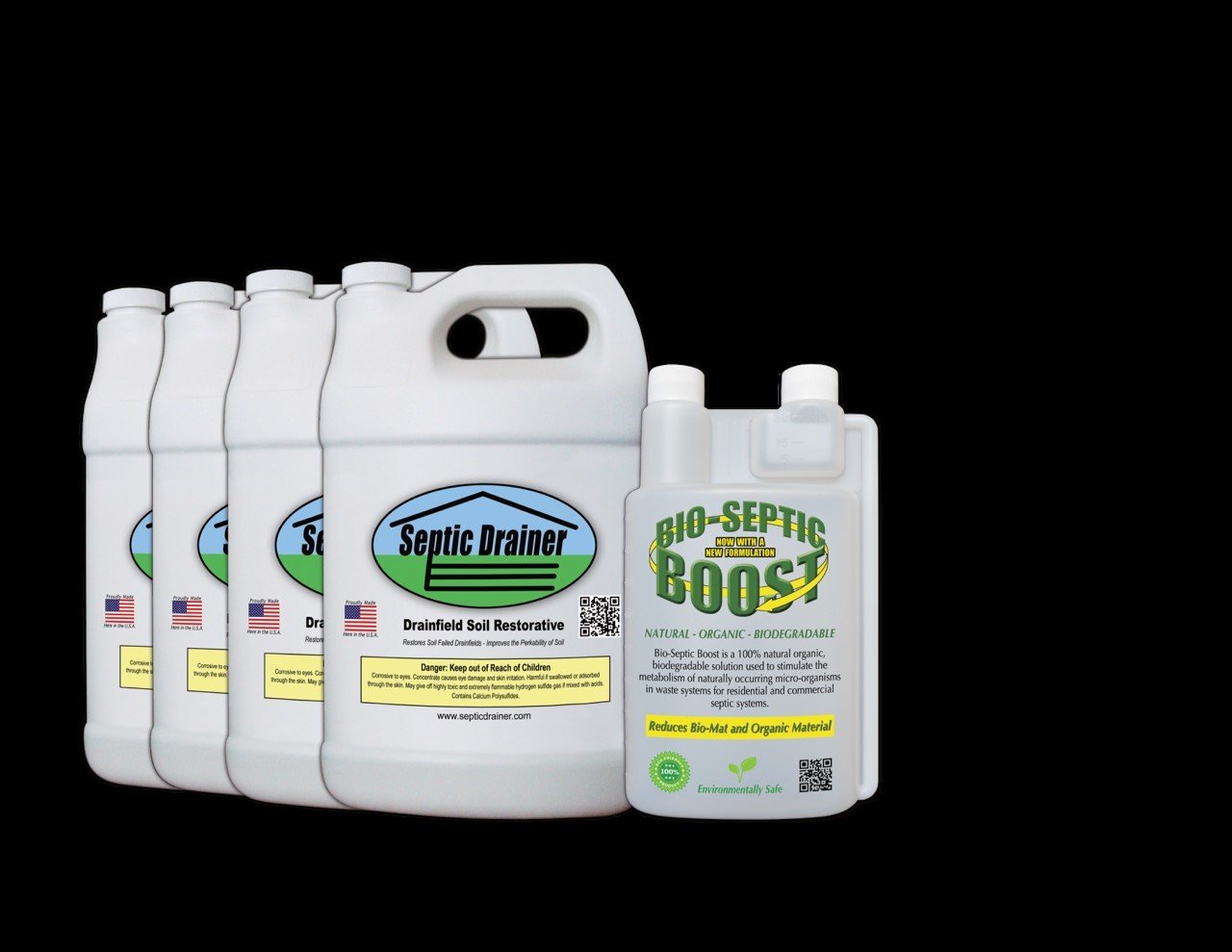
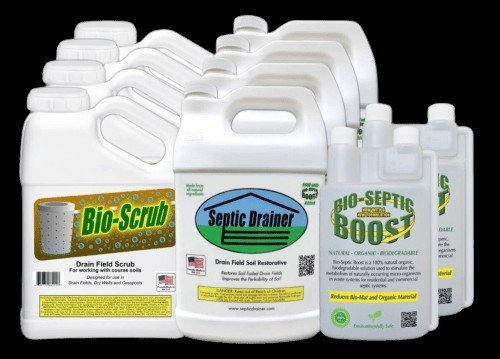
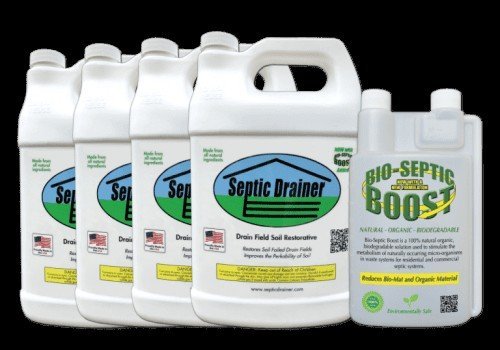
In cases where the soil already has drainage problems, organic matter can form another barrier to drainage. Septic Drainer’s repair process tackles the problem of clogged soil and bio-mats in particular. Its repair kit for clay, sandy loam, and gravel-based soils combines Septic Drainer with Bio-Septic Boost, which the company describes as supporting bacterial activity and addressing bio-mat issues.  Instead, it addresses soil issues instead of septic problems.

Signs of Drainage Problems in Clay Soil 

A few indications may be noticed by the homeowner when a septic drain field is not absorbing the wastewater efficiently:

  • Persistent wet or saturated areas above the drain field.
  • Slow drainage from plumbing fixtures.
  • Sewage odors around the septic area.
  • Unusually green or fast-growing vegetation.
  • Surface pooling after normal household wastewater use.
  • Wastewater backing up into plumbing fixtures.

These symptoms are not certain evidence of drain-field failures. There are also a number of septic issues that can emit a lot of the very same indications, so homeowners must determine the actual issue prior to deciding on the fix. A blocked or clogged drain field can flood, causing pollution to the sewer system or backup up inside the house, EPA says.

How Homeowners May Protect a Clay-Based Drain Field? 

Beginning good maintenance begins by controlling what is put into the septic system and how the system drain field is situated. If water is overloaded, water absorption of the soil is increased. Laundry schedules, water conservation measures such as reducing hydraulic stresses from unnecessary water usage, and leak detection/repair could all help to reduce hydraulic stress.

Homeowners also should try and defend the surface of the soil. Any parking of vehicles, placing of heavy equipment or impermeable cover over the drain field can disrupt soil functions. Avoiding further saturation with stormwater is another step to reduce initial saturation. The regular septic tank maintenance is also important. EPA advises frequent inspecting and pumping, as solids can build up and progress towards the drain field and cause blockage.

Managing Water Flow Around Clay Soil 

Managing water around a clay-based septic drain field plays an important role in maintaining drainage performance. Rainwater, roof runoff, and water sources generally on the outside of the house should not be allowed to come in contact with the drain field, as excessive water may further compact the soil already present. 

Proper grading can keep surface water from entering the septic system. It’s also important for homeowners to not grow deep-rooted vegetation directly above the system, as the roots can cause damage to pipes and soil. It is good practice to inspect the drainage regularly to detect any changes at an early stage of their development, before they grow into more serious issues. If the saturation or slow absorption doesn’t stop, professional evaluation can be used to decide on maintenance, fixing the leach drain, or any other remedial measure.

Conclusion

Clay soil does not automatically mean a septic system will fail, but its dense structure requires careful management. Homeowners need to watch for slow drainage, saturated soil, odors, pooling, and other warning signs. When soil clogging contributes to poor performance, clogged drain field repair may offer an approach worth evaluating alongside professional diagnosis and proper septic maintenance.

Septic Drainer provides products designed for drain-field maintenance and restoration, including solutions specifically marketed for clay-based systems. By understanding soil conditions and responding to drainage problems early, homeowners may better protect their septic investment and avoid unnecessary disruption. Explore Septic Drainer repair and maintenance solutions to determine which approach fits your system.

Frequently Asked Questions

  1. Why does clay soil drain slowly?

Clay has small particles that are very close together, which results in less open space for water to move in and out of the clay. This could reduce the rate of water uptake into the soil compared to other soils that may be more absorbent.

  1. What are common signs of a failing drain field? 

Standing water, saturated soil, foul odours of sewage, slow drains, overly healthy vegetation and wastewater backing up are all common warning signs to look for. These can be caused by a number of things, and correct evaluation is important.

  1. Does soil compaction affect a septic drain field? 

Yes. Soil compaction from heavy vehicles and equipment can reduce and/or increase the pore space in the soil. The EPA advises not to park vehicles and heavy equipment near drain fields.

  1. Does clay soil always require a different septic system? 

Not necessarily. Site-specific soil, groundwater, septic system design and permitting conditions are all determining factors in septic system suitability. For certain locations where the local soils are not appropriate, other plans or modified plan designs may be necessary.

Why “Flushing Bacteria” Isn’t Enough: The Case for Septic Leach Field Cleaner

Let’s be real, you didn’t wake up one morning thinking, “Today feels like a great day to learn about septic systems.” And yet, here you are… probably because your yard smells like something suspiciously illegal, your drains are slower than a Monday morning, and there’s a mysterious soggy patch outside that refuses to dry.

Naturally, you did what anyone would do; you searched for a quick fix. Maybe you grabbed a bottle of bacteria treatment thinking, “Cool, I’ll just flush some bacteria and boom problem solved.”

But your septic system isn’t failing because it’s missing bacteria. It’s failing because something deeper literally beneath your feelings is going wrong.

If you only focus on “flushing bacteria,” you’re treating the symptom, not the cause. And that’s exactly why so many homeowners end up needing costly drain field repair when it could have been avoided.

Let’s break down what’s actually happening and what you need to do instead.

Your Problem Isn’t Bacteria, It’s Sodium-Clogged Soil

You’ve probably never thought about sodium in your septic system. But you should.

Over time, sodium from household products like detergents and water softeners binds with the soil under your drain field. This creates what experts call hard pan soil; a dense, compacted layer that blocks airflow and water movement.

Here’s what that means for you:

  • Your soil stops absorbing wastewater
  • Oxygen can’t circulate
  • Your entire system begins to suffocate

At this point, no amount of added bacteria will fix the issue. Why? Because the environment they need to survive is already compromised.

This is where proper septic drain field maintenance becomes critical not just inside the tank, but in the soil itself.

When Oxygen Disappears, the Wrong Bacteria Take Over

Your septic system thrives on aerobic bacteria, these are the “good guys” that require oxygen and break down waste efficiently.

But when sodium blocks airflow, oxygen disappears.

And guess what moves in?

Anaerobic bacteria.

These bacteria don’t need oxygen, and they produce that thick, black, slimy layer known as biomat. Yes, that gross, suffocating sludge is what’s clogging your system.

Here’s what you start noticing:

  • Foul odors that won’t go away
  • Standing water in your yard
  • Slow drains inside your home

This is the tipping point where basic treatments fail and where you need real septic drain field restoration, not just a temporary fix.

“Flushing Bacteria” Doesn’t Fix the Root Cause

Let’s clear up a common misconception.

Adding bacteria to your system is like hiring more workers… but locking them outside the building.

If the soil is compacted and oxygen-starved:

  • New bacteria can’t survive
  • Waste doesn’t break down properly
  • The biomat keeps growing

So while “flushing bacteria” sounds like a solution, it doesn’t address the real issue of blocked soil and poor airflow.

That’s why relying on this method alone often leads homeowners down the path of expensive diy septic drain field repair attempts that don’t actually work.

A True Solution Targets Both Soil and Biomat

To actually fix your system, you need a two-part approach:

Remove Sodium from the Soil

This restores the soil’s natural structure, allowing:

  • Water to flow properly
  • Oxygen to re-enter the system
  • The environment to support healthy bacteria

Break Down Biomat

Once oxygen is restored, you can:

  • Boost aerobic bacteria
  • Reduce sludge buildup
  • Reopen clogged pathways

This combination is what makes a real septic drain field repair product effective; it doesn’t just treat symptoms; it restores the system from the ground up.

Restoration Is Cheaper Than Replacement

Here’s the part that hits your wallet.

When your drain field fails completely, your options are limited and expensive:

  • Excavation
  • Full system replacement
  • Major landscaping damage

But if you act early, proper septic drain field restoration can:

  • Extend the life of your system
  • Restore functionality without digging
  • Save you thousands in repairs

Think of it this way:
You can either fix the soil now… or replace the entire system later.

The choice becomes pretty obvious when you look at it like that.

Conclusion

So, why isn’t “flushing bacteria” enough?

Because your septic system doesn’t fail from a lack of bacteria, it fails from a breakdown in the environment those bacteria need to survive.

Sodium compacts your soil.
 Airflow disappears.
Anaerobic bacteria take over.
Biomat builds up.
And your system slowly shuts down.

If you want a real solution, you need to go deeper literally.

You need something that:

  • Drives sodium out of the soil
  • Restores oxygen flow
  • Supercharges the right bacteria to eliminate biomat

That’s the difference between a temporary fix and true drain field repair.

If your system is already showing signs of slow drains, odors, or soggy patches, don’t wait until it becomes a full-blown failure.

Take a smarter step toward restoring your system from the ground up.

Explore a targeted, science-backed solution designed for real septic drain field maintenance and restoration at Septic Drainer.

Because when it comes to your septic system…

waiting doesn’t make the problem disappear; it makes it expensive.

Act Fast: Leach Field Fix Advice Following a Sudden Septic Leach Field Failure

Introduction

Septic systems quietly perform an essential role in maintaining a clean and functional household. When everything runs smoothly, it’s easy to forget these systems exist. However, when a sudden issue strikes—especially a leach field failure—it grabs your attention fast. Acting quickly and understanding how to respond can mean the difference between a manageable fix and a complete system overhaul.

A failed leach field isn’t always the end of the road. With the right knowledge and treatment approach, homeowners can restore drainage, prevent costly repairs, and regain confidence in their septic system. Using proven tools and methods developed by RCS II, Inc., solutions are now more accessible and effective than ever before.

CLICK ON IMAGE TO ORDER

Spotting Trouble Before It Becomes Worse

Early signs of septic leach field failure may not seem alarming at first. You might notice wet patches in the yard even though it hasn’t rained. Sometimes, a strong odor lingers near drains or outside the house. These issues often point to wastewater no longer filtering properly through the soil.

The most common reasons behind this failure include sodium buildup in the soil, which causes a hard, impermeable layer to form under the pipes. This prevents water from moving downward as it should. Over time, this condition creates an ideal environment for anaerobic bacteria to grow, forming a layer known as Bio-Mat. This slimy build-up restricts airflow and adds to the system’s stress.

Another contributing factor is organic overloading—when too much solid material enters the tank and pushes into the leach field, overwhelming the bacteria meant to break down waste. Recognizing the signs early and choosing effective treatment options quickly can prevent further complications.

Understanding the Core of the Problem

Septic leach field failure isn’t random. It’s typically the result of three main conditions: compacted soil caused by sodium-rich wastewater, the accumulation of Bio-Mat, and an overload of organic material that upsets the biological balance within the system.

Soil compaction underneath the drain field pipes reduces the system’s ability to absorb water. Sodium plays a major role here. When wastewater high in sodium repeatedly enters the drain field, it binds with soil particles and forms a hardened layer. This “hard pan soil” condition creates a barrier that water cannot penetrate, effectively halting the filtration process.

Meanwhile, Bio-Mat—formed from waste left behind by anaerobic bacteria—sits above this hardened layer, blocking further absorption and creating foul smells. These issues work together to shut down the natural filtration processes of the septic system. A proactive leach field fix addresses both soil permeability and the microbial environment of the drain field.

Products That Make a Real Difference

The most effective response to drain field trouble includes products that restore soil permeability and stimulate healthy bacterial activity. Septic Drainer, developed by RCS II, Inc, provides a proven approach. It’s a powerful soil conditioner that targets the compacted area under the drain field pipes. Unlike treatments focused on the tank itself, Septic Drainer reaches the heart of the problem—hard pan soil.

Using this product doesn’t require digging or replacing the soil. It works by softening the hardened layer and allowing moisture to penetrate again. When paired with Bio-Septic Boost, a sea kelp-derived bio-stimulant, it enhances microbial performance by increasing the activity of aerobic bacteria. This combination dissolves Bio-Mat and restores airflow, a critical step toward system recovery.

Bio-Septic Boost complements the action of Septic Drainer by ensuring that bacteria can thrive and perform their natural waste breakdown tasks more efficiently. Together, these tools repair not only the symptoms but the core of what causes septic leach field failure.

Choosing the Right Repair Kit for Your System

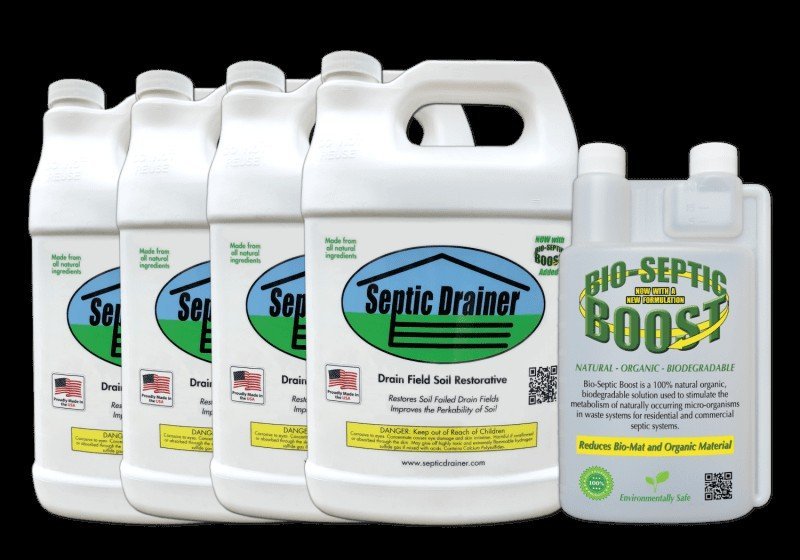
Different septic systems need different levels of care depending on the stage of failure. RCS II, Inc provides several kits tailored to system severity. For moderately failed systems in clay or sandy soils, a Drain Field Repair Kit includes four gallons of Septic Drainer and one quart of Bio-Septic Boost. This package helps open up clogged soil and revitalize microbial life, allowing the system to return to normal flow.

For older or severely impacted systems, the Mega Drain Field Repair Kit doubles the amount of treatment, helping to address extensive hard pan soil and deep-set Bio-Mat accumulation. Despite the higher volume of product, it remains an affordable choice for large-scale recovery.

The design of each kit includes user-friendly instructions. Homeowners, contractors, and septic professionals all rely on these repair tools to solve common issues without expensive excavation or replacement projects.

Long-Term Strategies to Prevent Recurrence

Once the system recovers, consistent maintenance is essential to keeping it functional. RCS II, Inc offers a Maintenance Starter Kit, which provides a cost-effective way to stay ahead of problems. The kit includes one gallon of Septic Drainer and a pint of Bio-Septic Boost, suitable for six months of preventative treatment.

Adding the solution directly to the toilet simplifies the process, ensuring it reaches the tank and then flows through to the drain field. This approach supports long-term performance, allowing systems to function smoothly and predictably year-round.

By using this preventative strategy, homeowners avoid emergency repairs and maintain proper wastewater treatment. It’s a smart, sustainable option that enhances the reliability of your septic system without relying on enzyme or bacteria-only treatments that don’t always reach the source of the problem.

Tips to Maintain a Healthy Septic System

Beyond chemical treatments, a few habits go a long way in protecting your drain field. Regular inspections help catch problems early. Avoid sending cooking grease, hygiene products, or harsh cleaning chemicals down the drain. These materials overload the system and disrupt the balance of beneficial bacteria.

Install a septic tank riser and marker for easier monitoring and access. This small investment helps identify problems quickly and reduces the time and cost involved in locating your tank. Combining responsible use with scheduled maintenance ensures your system performs as intended.

Septic Drainer’s ingredients have helped farmers manage similar soil and drainage issues for over five decades. With its addition to household septic care, effective leach field fix solutions are more accessible and practical than ever before.

Staying Prepared for the Unexpected

Even with the best care, sudden septic issues can still happen. Keeping an emergency kit on hand with additional Septic Drainer and Bio-Septic Boost ensures you’re not left scrambling. Acting quickly to restore drainage can stop damage from spreading and minimize disruption to your daily routine.

A sudden septic leach field failure demands swift and informed action. Understanding the contributing factors and using the right repair tools from RCS II, Inc gives homeowners the power to recover efficiently and without unnecessary cost. With proper steps, your system can bounce back and continue working reliably for years.

Conclusion: Turning Crisis into Control

Septic issues create stress, especially when the failure hits without warning. But effective solutions exist. From identifying early signs to applying the right treatment products, managing septic trouble is completely achievable without drastic measures.

RCS II, Inc. offers science-backed products like Septic Drainer and Bio-Septic Boost to tackle the actual causes of system failure—compacted soil, Bio-Mat, and imbalanced bacteria. With clear instructions and a practical approach, these tools restore flow and support healthy septic operation.

Whether you’re dealing with a minor backup or a sudden leach field fix scenario, the right response today can save thousands tomorrow. Stay informed, stay prepared, and take control of your septic system’s health with simple, proven methods.

Frequently Asked Questions

Q: What are the early warning signs of a septic leach field failure?

Slow drains, unpleasant odors near the drain field, and soggy spots in the yard can indicate an issue with septic leach field failure.

Q: Can a leach field fix be done without digging up the yard?

Yes, a leach field fix can often be achieved using soil conditioners and bio-stimulants that restore drainage without excavation.

Q: How does sodium buildup contribute to septic leach field failure?

Sodium binds with soil, forming a hard pan layer that blocks water absorption, leading to septic leach field failure over time.

Q: Is Septic Drainer an effective product for a leach field fix?

Septic Drainer helps improve soil permeability and airflow beneath drain field pipes, making it an effective choice for a leach field fix.

Q: What is Bio-Mat, and how does it relate to septic leach field failure?

Bio-Mat is a waste layer from anaerobic bacteria that builds up when soil becomes impermeable, often triggering septic leach field failure.

Q:  When should a homeowner consider a professional for a leach field fix?

If DIY kits don’t resolve the issue or foul odors persist, it may be time to get professional help for a more advanced leach field fix.

Q: Can routine maintenance prevent septic leach field failure?

Regular maintenance using proper treatments can prevent buildup and biological failure, reducing the risk of septic leach field failure.

From Treatment to Troubleshooting: Keeping Your Septic Leach Field Strong

A well-functioning septic leach field is crucial for the overall health of any septic system. Unlike the main tank, which holds wastewater temporarily, the leach field disperses the treated water safely back into the soil. Over time, the soil under the pipe gets compacted, leading to hardpan soil formation that reduces its ability to absorb wastewater. Problems can arise that lead to more complex and costly repairs. Repairing your septic drain field early is crucial to bind the soil.

Regular maintenance and understanding key issues help ensure a long-lasting, trouble-free septic system. This guide explores both preventative care and essential troubleshooting tips to keep septic leach fields strong and effective.

Understanding Septic Leach Field Failures

Septic leach fields can fail for several reasons, each of which affects how well the system handles wastewater. The two main culprits are compaction of soil and bio-mat buildup. These factors make it difficult for wastewater to absorb into the ground, leading to system backup or surface pooling.

  • Soil Compaction: As soil becomes compacted, it loses its ability to absorb water, creating a non-permeable layer, often referred to as hardpan soil formation. This can trap wastewater on the surface, leading to foul odors and the need for immediate attention.
  • Bio-Mat Accumulation: Bio-mat starts to form after the airflow stops due to a sodium layer building, typically settling at the bottom of the leach field trenches. When bio-mat builds up over time, it blocks water flow and contributes to leach field clogging.
  • Sodium Buildup: High sodium levels in wastewater bind with soil particles, further reducing permeability. This is particularly common in systems exposed to soft water treatments.
  • Organic Overloading: Excessive organic material in the system can throw off the bacterial balance, leading to bio-mat formation and clogging in the leach field.

These issues not only affect septic leach fields directly but also indicate the need for specialized septic treatments that go beyond regular maintenance.

Key Benefits of Septic Leach Field Treatment

Regular septic leach field treatment plays an essential role in extending the system’s lifespan. Many solutions on the market today, like the patented septic repair products from RCS II, Inc., specifically target common issues like compacted soil and bio-mat buildup

Septic Drainer is a soil conditioner designed to open and maintain drainage under your septic’s drain field pipes as the high-quality drain cleaner does not have bacteria or enzymes.

The benefits of such treatment are both preventative and restorative.

  • Enhanced Water Absorption: By breaking down bio-mat layers and restoring soil permeability, septic treatments help water seep into the ground efficiently.
  • Reduced Need for Expensive Repairs: Consistent maintenance prevents larger issues from developing, avoiding costly system overhauls.
  • Odor Control and Aesthetic Improvement: Regular treatment keeps foul odors from forming and minimizes pooling or soggy patches in the yard.

Effective Solutions for Troubleshooting Common Issues

Troubleshooting septic system issues requires targeted septic treatments. Common problems include slow drainage, standing water, and unpleasant odors. Each of these symptoms may indicate an underlying issue with the leach field or tank itself.

  • Slow Drains: When there is water accumulation in the lawn area, it could signal a blockage in the system, often related to bio-mat buildup in the leach field. Septic treatments can help break down these layers, restoring proper drainage.
  • Surface Pooling: If you notice wet spots or puddles in the yard above your leach field, it’s time to consider septic leach field treatment. These areas indicate that water is not absorbing as it should, likely due to compacted soil or bio-mat obstruction.
  • Foul Odors: Unpleasant odors around the leach field or tank may mean anaerobic bacteria have overtaken the system, creating an excess of bio-mat. Septic treatments, such as a bio-stimulant like Bio-Septic Boost, help boost aerobic bacteria levels, reducing bio-mat growth and neutralizing odors.

Specialized Septic Leach Field Treatment Options

Different septic treatment options cater to various types of septic issues, from minor clogs to advanced system failures. RCS II, Inc. provides several treatment kits designed to address specific leach field challenges. The septic drainer products restore the permeability of your soil and eliminate Bio-Mat issues.

  • Drain Field Repair Kits for Clay and Sandy Loam Soils: These kits include septic drainer products such as Bio-Septic Boost is a bio-stimulant nutrient made from a sea plant extract that enhances the biological activity of your septic system to eliminate Bio-Mat.
  • Mega Drain Field Repair Kit: For systems with advanced or severe failures, the Mega Kit contains additional components to combat sodium buildup and hard-pan soil. This option is ideal for older or heavily impacted leach fields, providing quick recovery by breaking up compacted soil and restoring bacterial balance.
  • Maintenance Starter Kit: Aimed at homeowners wanting to maintain their septic system, the starter kit includes a septic drainer and Bio-Septic Boost. Regular use prevents common issues, maintaining the biological health of the system and keeping the leach field in optimal condition.

These options not only address symptoms but tackle root causes, ensuring that septic systems function efficiently for years.

Preventing Leach Field Issues Before They Arise

While treatment options are crucial, preventing issues is just as important. Routine septic treatments are one of the most effective ways to keep a system healthy, but there are additional preventive steps every homeowner can take.

  • Limit the Use of Water-Softening Agents: Sodium-based water softeners contribute to hard-pan formation. If water softeners are necessary, consider treatments that address sodium buildup in the leach field.
  • Regularly Inspect and Maintain System Components: Every few months, inspect the area around the leach field for pooling water or foul odors. If you notice these signs, it’s best to address them immediately with a septic leach field treatment plan.
  • Be Mindful of What Goes Down the Drain: Avoid flushing non-biodegradable items, excessive grease, or harsh chemicals, as these can disrupt bacterial balance and contribute to bio-mat formation.
  • Add Bio-Septic Boost Regularly: Bio-Septic Boost enhances aerobic bacteria in the septic system, supporting the natural breakdown of waste and keeping the bio-mat layer in check.

Recognizing When Professional Intervention Is Necessary

While many septic treatments are accessible for homeowners, certain issues may require professional intervention. It’s wise to consult a septic specialist if you encounter persistent problems like repeated pooling or continuous foul odors, even after treatment. Professionals use advanced tools to diagnose issues deep within the leach field and can recommend targeted solutions like the Mega Drain Field Repair Kit.

Professional consultation is especially helpful when dealing with older systems or severe hard-pan soil issues. RCS II, Inc. Mega Kit is a trusted option for systems in advanced stages of failure, utilizing both a septic drainer and Bio-Septic Boost to renew soil health and restore system function.

Long-Term Benefits of Proactive Septic System Care

With consistent maintenance and proactive septic leach field treatment, homeowners can extend the life of their septic systems significantly. Leach field problems left unchecked lead to system failure, requiring costly overhauls that can disrupt daily life and budgets. Regular septic treatments reduce the risk of such issues, making them an investment in both convenience and peace of mind.

  • Cost Savings: Treatments that address bio-mat and compacted soil save thousands in replacement costs, helping homeowners avoid large-scale repairs.
  • Eco-Friendly Waste Disposal: A well-maintained septic system filters wastewater safely back into the ground, protecting local water sources and promoting a healthy environment.
  • Enhanced Property Value: A properly functioning septic system is a valuable asset, enhancing property appeal and resale value. Buyers are more likely to invest in properties with maintained septic systems, given the potential costs of replacement.

Final Thoughts

Investing in septic leach field treatment provides long-term benefits and protects your property’s value and environment. With specialized options like RCS II, Inc. repair kits, addressing issues like bio-mat buildup, compacted soil, and hard-pan formation becomes manageable and cost-effective. Regular maintenance, coupled with the right septic treatments, keeps leach fields performing optimally for years to come.

A strong septic system depends on diligent care, a proactive approach, and reliable products that go beyond temporary fixes. Whether troubleshooting a minor issue or preventing future failures, proper maintenance safeguards your investment, your property, and the surrounding environment.

[/fusion_text][/fusion_builder_column][/fusion_builder_row][/fusion_builder_container]

Protect Your Lawn from Wet Spots: Solutions for Clogged Leach Fields

Homeowners with septic systems know how essential a functioning leach field is to the health of their property. Leach fields, also known as drain fields, play a vital role in wastewater management. But when a leach field becomes clogged, it can cause wet spots in your yard, foul odors, and even potential system failures. A variety of factors contribute to clogged leach fields, but with the right approach and tools, including quality products like those from RCS II, Inc., homeowners can prevent and repair leach field issues effectively.

What Causes a Clogged Leach Field?

The functionality of a leach field relies on its soil’s ability to absorb and filter wastewater. Over time, the soil under the pipe gets compacted, leading to hardpan soil formation that reduces its ability to absorb wastewater. Here is the detailed explanation behind the clogged leach field

  • Soil Compaction: One primary cause of leach field failure is soil compaction, which occurs when soil particles are pressed tightly together, restricting the flow of wastewater. This compaction often happens due to sodium buildup, which binds soil particles together, forming the hardpan soil. This dense, impermeable layer can trap wastewater at the surface, leading to pooling and wet spots on the lawn.
  • Bio-Mat Accumulation: Bio-Mat starts to form after the airflow stops due to a sodium layer building. This layer, formed by anaerobic bacteria, builds up over time and blocks the flow of water into the soil. While bio-mat is a symptom of drain field failure, treating it alone won’t solve the problem; it’s crucial to address the hard-pan soil layer to restore drainage fully.
  • Organic Overloading: When a system receives too much organic material, it can cause imbalances, allowing bacteria to form blockages. Excessive amounts of organic waste and debris can overload the system, clogging pipes and further stressing the leach field.

These common causes of clogged leach fields emphasize the importance of regular maintenance and the use of effective septic products. Repairing your septic drain field early is crucial to binding the soil and the Septic Drainer is competent to fulfill your requirement to repair a clogged field due to soil compaction, biomat accumulation as well as too much organic material. Septic Drainer is a soil conditioner designed to open and maintain drainage under your septic’s drain field pipes.

Septic Drainer: A Proven Solution for Clogged Leach Fields

When facing wet spots in the yard, many homeowners turn to septic system repair products to help alleviate the problem. Septic Drainer, developed by RCS II, Inc., has become a preferred choice for tackling the root causes of septic issues. Septic Drainer repairs the hard-pan soil that contributes to leach field clogging and has been effectively used by homeowners, contractors, and septic professionals to refresh & restore soil draining capability.

Septic Drainer’s powerful formula loosens compacted soil, allowing it to absorb water efficiently again. This product also includes Bio-Septic Boost, a bio-stimulant nutrient that promotes beneficial bacterial growth, helping restore natural balance to the system. The Bio-Septic Boost is made from kelp, which has been shown to boost bacterial activity by up to 50%, speeding up the breakdown of bio-mat and other organic materials clogging the field.

Wet Spots and the Importance of a Water Softener

Water softeners are popular among homeowners who want to reduce mineral buildup in their pipes and appliances. However, the use of a water softener can lead to sodium buildup in the soil, contributing to hard pan formation and ultimately clogging the leach field. This buildup happens when softened water, rich in sodium, is released into the septic system, eventually reaching the leach field and combining with the soil particles.

A wet spot water softener can be an effective way to address this issue. By using a water softener specifically designed to manage sodium levels, you can reduce the risk of soil hardening and prevent leach field clogs. Septic Drainer works well alongside a wet spot water softener to maintain a balanced soil environment, keeping it permeable and receptive to wastewater.

Bio-Mat Build-Up: A Symptom to Identify Leach Field Failure

Bio-mat buildup often appears in leach fields and can hinder proper wastewater drainage. However, it’s essential to recognize that bio-mat is a symptom of leach field failure rather than the primary cause. While removing bio-mat can help restore drainage, it’s crucial to address the root issue—hardpan soil. Septic Drainer tackles this underlying problem, breaking down the compacted soil layer so that water can once again flow smoothly through the field.

To eliminate bio-mat, it’s important to reintroduce airflow into the soil. By applying Septic Drainer and Bio-Septic Boos,  these products restore the penetrability of your soil and eliminate Bio-Mat issues. This treatment is part of a holistic approach to managing a septic system, helping homeowners achieve a healthy, balanced environment for wastewater filtration.

Septic Drainer is a soil conditioner designed to open and maintain drainage under your septic’s drain field pipes. This high-quality drain cleaner does not have bacteria or enzymes thereby being effective in restoring clogged fields. Other than this, Bio-Septic Boost is a bio-stimulant nutrient made from a sea plant extract that enhances the biological activity of your septic system to eliminate Bio-Mat.

Repair Kits for Different Septic Conditions

RCS II, Inc. provides a variety of septic repair kits designed to meet specific needs based on soil type, leach field condition, and system size. Each kit includes easy-to-follow instructions and effective tools to restore a clogged or moderately failed septic system.

  1. Drain Field Repair Kit for Clay and Sandy Soils: This all-natural kit is ideal for homeowners dealing with moderate failures in clay or sandy soils. It includes Septic Drainer and Bio-Septic Boost, offering a complete solution for breaking up compacted soil and encouraging bacterial growth to consume bio-mat. This repair kit helps eliminate foul odors, wet spots, and clogged drain issues, all without requiring costly repairs or replacements.
  1. Mega Drain Field Repair Kit for Older Systems: For larger, older systems suffering from extreme failures, the Mega Kit provides a double supply of Septic Drainer and Bio-Septic Boost to rejuvenate hard-pan soil and consume bio-mat more efficiently. This kit is perfect for homeowners needing a faster recovery, as it helps to restore drainage quickly, even in heavily impacted soils.
  1. Septic Maintenance Starter Kit: Preventative care is often the most cost-effective approach to septic maintenance. RCS II, Inc.’s starter kit offers a long-term maintenance solution, helping to maintain biological health in the septic system. With regular use, this kit prevents soil from binding up and maintains drain field functionality.

Effective Leach Field Maintenance Tips

  1. Use Septic Drainer Regularly: By incorporating Septic Drainer into a routine maintenance plan, homeowners can prevent hard pan soil formation and maintain a healthy, functioning leach field. Regular use of this product, along with Bio-Septic Boost, improves the soil’s natural drainage ability.
  1. Reduce Organic Overloading: Avoid flushing large quantities of organic material, grease, or other debris down the drain. These substances can strain the system, causing clogs and bacterial imbalances that lead to bio-mat buildup and leach field clogging.
  1. Install a Wet Spot Water Softener: Using a water softener that minimizes sodium levels helps prevent soil compaction in the leach field, reducing the risk of clogging. Wet spot water softeners are specifically designed to prevent sodium from binding soil particles, ensuring continued permeability.
  1. Routine Inspections: Regular inspections by a septic professional can help detect issues early and allow for timely maintenance. This proactive approach prevents costly repairs and keeps the system running smoothly.

The Benefits of Maintaining a Healthy Septic System

A well-maintained septic system offers numerous benefits, from increased property value to reduced environmental impact. A functioning leach field ensures that wastewater is filtered effectively, protecting the groundwater and surrounding ecosystem. Furthermore, taking preventative steps reduces the likelihood of system failure, which can be costly to repair and inconvenient for homeowners.

How RCS II, Inc. Products Help Homeowners?

RCS II, Inc.’s products provide a comprehensive solution for homeowners looking to maintain or repair their septic systems. Septic Drainer not only addresses hard pan soil but also fosters an environment where natural bacteria can flourish. This balanced approach, combined with products like the Bio-Septic Boost, ensures that every aspect of leach field health is considered.

With these solutions, homeowners no longer need to dig up and replace their soil, which can be a costly and time-consuming process. Septic Drainer refreshes the soil, breaking up compacted layers and reintroducing beneficial bacteria. Whether dealing with a clogged leach field or attempting to prevent future issues, RCS II, Inc. offers reliable, easy-to-use products that simplify septic maintenance and improve system longevity.

Conclusion

Protecting your lawn from wet spots caused by a clogged leach field is achievable with the right approach and products. By understanding the causes of leach field failure and using targeted solutions, homeowners can maintain a healthier septic system, saving time, and money, and protecting their property from damage. Products like Septic Drainer and Bio-Septic Boost are essential in this process, giving you peace of mind while ensuring your septic system functions effectively.

[/fusion_text][/fusion_builder_column][/fusion_builder_row][/fusion_builder_container]

The Science Behind Septic Treatments: What Works Best?

Maintaining a vigorous septic system is vital for every homeowner. Without proper care, these systems can lead to costly repairs and disruptions. Fortunately, there are operational solutions available to prevent and address septic tank issues. In this comprehensive guide, we’ll delve into the science behind septic treatments, exploring what works best for optimal system performance.

  • Understanding Septic Treatments

Septic treatments play a vital role in preserving the functionality of your system. Whether you’re dealing with clogged drain fields, foul odors, or slow drains, the proper treatment can make all the difference. However, with abundant products on the market, it can be puzzling to determine which ones are truly effective.

  • The Role of Septic Drainer

One standout solution in the realm of septic treatments is a Septic Drainer. Developed by RCS II, Inc., Septic Drainer is a patented formula designed to prevent and repair various septic system issues. What sets Septic Drainer apart is its unique blend of high-quality ingredients, carefully formulated to rejuvenate soil and restore failed systems.

Benefits of Septic Drainer

Septic Drainer offers several critical benefits for homeowners:

  • Cost-Effective Maintenance: By using a Septic Drainer, homeowners can evade costly repairs and prolong the lifespan of their septic systems. This proactive approach to maintenance can save thousands of dollars in the long run.
  • Soil Restoration: Unlike other products that require digging up and replacing soil, Septic Drainer works to refresh existing soil, effectively addressing drain field problems without the need for extensive excavation.
  • Professional Endorsement: Septic Drainer is not only trusted by homeowners but also endorsed by septic services professionals worldwide. Its efficacy in restoring drainage and solving septic issues has made it a go-to solution in the industry.

Choosing the Right Treatment Kit

Septic Drainer offers a range of repair kits tailored to different septic system needs:

  • Drain Field Repair Kit: Ideal for moderately failed systems in various soil types, this kit includes Septic Drainer and Bio-Septic Boost to break up clogged soil and restore drainage.
  • Mega Drain Field Repair Kit: Designed for extremely failed systems in fine soils, this kit provides double the product for quicker recovery and enhanced soil repair.
  • Septic Maintenance Starter Kit: For proactive system maintenance, this kit includes everything needed to prevent costly repairs and improve overall system flow.
  • Septic Maintenance Starter Kit: Ensures regular treatment and maintenance of your septic system, preventing soil binding and maintaining biological health.

Ensuring Long-Term System Health

Regular maintenance is crucial in stretching the life of your septic system. With Septic Drainer’s comprehensive maintenance kit, you can enjoy hassle-free system care for years to come. By investing in annual treatment, you’ll safeguard your system against unexpected expenses and ensure optimal functionality.

Addressing Common Septic System Challenges

Septic systems can encounter various challenges, from drain field failure to foul odors and slow drains. Understanding the primary causes of these issues is crucial for effective treatment and prevention.

  • The Role of Sodium and Soil Compaction

One common cause of septic drain field failure is the presence of sodium in the soil, which leads to soil compaction and reduced drainage capacity. Septic Drainer’s unique formula targets this issue by breaking up compacted soil and restoring optimal drainage.

  • Preventing Organic Overloading

Organic overloading is another factor that can contribute to septic system failure. When too much waste accumulates in the system, it can overwhelm the natural biological processes, leading to clogs and foul odors. Septic Drainer‘s Bio-Septic Boost enhances microbial activity, ensuring efficient waste breakdown and preventing organic overload.

Choosing the Right Treatment Approach

When selecting a septic treatment approach, it’s essential to consider the precise needs of your system. Whether you’re dealing with a moderately failed drain field or an immensely failed system, Septic Drainer offers tailored solutions to report your unique challenges. In addition to addressing existing issues, proactive maintenance is essential for preventing future problems. Septic Drainer’s maintenance kits provide a convenient way to maintain the health and functionality of your septic system, ensuring long-term performance and cost savings.

Conclusion

When it comes to best septic treatments, Septic Drainer stands out as a reliable solution for homeowners. Its proven efficacy, cost-effectiveness, and professional endorsement make it the go-to choice for addressing septic system issues. With a range of repair kits and maintenance options available, homeowners can take proactive steps to preserve the health and longevity of their septic systems. Say goodbye to costly repairs and avail hassle-free maintenance with Septic Drainer.

Digging Deep: The Ultimate Guide to Finding the Best Septic Leach Field Cleaner

Maintaining a septic system is crucial for the health of your home and environment. When it comes to confirming optimal functionality and preventing costly repairs, finding the right septic system cleaner is paramount. In this comprehensive guide, we delve into the world of septic maintenance, focusing on the most effective solutions to keep your system running smoothly. Discover how products like Septic Drainer from RCS II, Inc. can revolutionize your septic care routine.

Understanding Septic System Cleaner: A Closer Look

Before delving into specific products, it’s essential to understand the role of a septic system cleaner. Unlike conventional cleaning agents, septic cleaners are specially formulated to target the unique challenges faced by septic systems. These challenges often include clogged drain fields, foul odors, and bio-mat buildup. A high-quality septic system cleaner addresses these issues effectively, restoring the system’s functionality without the need for costly repairs.

The Power of Septic Drainer: Your Ultimate Solution

Enter Septic Drainer, the industry-leading septic system cleaner developed by RCS II, Inc. With a rich history rooted in agricultural practices, Septic Drainer boasts a proven track record of success. Farmers have relied on its ingredients for over 50 years to address septic issues effectively. Recognizing the need for a reliable solution in residential settings, RCS II, Inc. harnessed this agricultural wisdom to create Septic Drainer—a powerful yet eco-friendly product designed to tackle septic problems head-on.

Critical Benefits of Septic Drainer:

  • It prevents a wide range of septic issues that lead to field failure.
  • Refreshes soil and restores failed septic systems without the need for costly excavation.
  • Save homeowners thousands of dollars in repair overheads. By leveraging a unique patent-pending formula, Septic Drainer stands out from other products on the market. Its blend of high-quality ingredients effectively treats clogged soil, addressing the root cause of septic problems. Whether you’re dealing with foul odors, slow drains, or saturated spots on your property, Septic Drainer offers a reliable solution.

Targeted Solutions for Every Situation

RCS II, Inc. understands that not all septic systems are alike. That’s why they offer a range of targeted solutions to address various issues effectively with the best septic leach field cleaner. From moderately failed systems to larger, older ones, there’s a Septic Drainer kit suited to your needs. Each kit comes with detailed instructions for easy application, ensuring hassle-free maintenance.

Ensuring Long-Term Success: Septic Maintenance Starter Kit

For proactive homeowners looking to extend the lifespan of their septic system, the Septic Maintenance Starter Kit is the perfect solution. This all-inclusive kit takes account of one gallon of powerful Septic Drainer, along with Bio-Septic Boost—a bio-stimulant nutrient derived from natural compounds like Kelp. By maintaining your septic system’s biological health, this kit helps prevent costly repairs and disruptions.

Maximizing Efficiency with Subscription Services

For homeowners committed to ongoing septic system maintenance, the Septic Maintenance Starter Kit Subscription offers unparalleled convenience. By receiving a new kit every six months, you can stay in advance to prevent potential issues and keep your system running smoothly year-round. With all-natural ingredients and easy-to-use products, maintaining your septic system has never been simpler.

The Ultimate Solution: One-Year Supply for Hassle-Free Maintenance

For those seeking the ultimate solution in septic system care, look no further than the Septic System Tank besides the Drain Field Repair and Maintenance Kit. This comprehensive one-year supply includes everything you need to safeguard your system’s longevity and functionality. From Septic Drainer to Bio-Septic Boost, each component works synergistically to prolong your system’s life and minimize the risk of costly repairs.

Final Thoughts

Maintaining a healthy septic system is critical for the well-being of your home and the environment. With the best septic leach field cleaner septic leach field cleaner launched by RCS II, Inc., you can address common septic issues effectively and affordably. By investing in proactive maintenance and targeted solutions, you can enjoy peace of mind knowing that your septic system is in good hands. Say goodbye to septic headaches and hello to hassle-free maintenance with Septic Drainer.

Dealing with a Septic Seepage Pit? Here’s How a Water Softener Hurts Your Seepage Pit.

When dealing with septic issues, one common yet often overlooked problem is a septic seepage pit. Also known as a dry well, it is a vertical underground structure designed to absorb wastewater. When functioning properly, it helps to filter and disperse the liquid from a septic tank into the surrounding soil. However, when a septic seepage pit fails, it can lead to a variety of problems, such as foul odors, surface pooling, and overall system failure. The reasons for these failures are often complex, involving everything from soil compaction to the accumulation of bio-mat and sodium buildup.
The first sign that a septic seepage pit is failing might be the appearance of a wet spot or foul smell on your property. Other symptoms can include slow-draining sinks and toilets, backed-up wastewater, and the presence of saturated patches in your yard. If left unattended, these problems can worsen, leading to costly repairs or even a complete system overhaul. This is where understanding the root causes and finding effective solutions becomes essential.

How Sodium Buildup Affects a Septic Seepage Pit?

One of the key factors that can cause a septic seepage pit to malfunction is sodium buildup. Sodium, commonly found in household water supplies, can mix with soil particles in the seepage pit, creating a hard, non-permeable layer. This condition, known as hard pan soil, prevents water from filtering through the soil properly. Over time, this can lead to blockages and backups within the septic system.
Septic systems rely on a delicate balance of bacteria to break down waste. When sodium binds to soil particles, it can disrupt this balance, reducing the soil’s ability to absorb wastewater. The result is a failed or failing septic seepage pit that no longer effectively filters or disperses liquid waste. The role of sodium in this process highlights the importance of managing water quality as part of overall septic system maintenance.
Common Causes of Septic Seepage Pit Problems
Septic seepage pits can fail for several reasons, and understanding these causes is the first step in addressing the issue effectively. Some of the most common causes of septic seepage pit problems include:

  • Soil Compaction: Over time, the soil surrounding the seepage pit can become compacted due to heavy usage or environmental factors. Compacted soil has a reduced capacity to absorb wastewater, leading to backups and overflow.
  • Bio-Mat Accumulation: A bio-mat is a layer of organic material that forms at the bottom of the seepage pit, consisting primarily of waste products from anaerobic bacteria. When this bio-mat becomes too thick, it can block the flow of wastewater, resulting in poor drainage and surface pooling.
  • Sodium Buildup: As discussed earlier, sodium in wastewater can bind with soil particles, creating a hard pan effect that impedes absorption. This is a leading cause of septic system failures and highlights the importance of water quality management.
  • Organic Overloading: Excessive organic materials, such as fats, oils, and grease, can overload the septic system. When this happens, bacterial imbalances occur, leading to clogging and eventual failure of the septic seepage pit.

To effectively deal with these issues, it is essential to adopt a proactive approach to septic maintenance, including regular inspections and the use of appropriate additives or treatments.
How Septic Drainer Products Can Help with Septic Seepage Pit Issues?
RCS II, Inc. offers a range of products specifically designed to address septic seepage pit problems, including their patented Septic Drainer. This product is an additive that works by breaking up compacted soil and restoring the natural filtration capabilities of your septic system. Unlike many other products on the market, Septic Drainer goes beyond treating just the tank, addressing the underlying soil conditions that lead to septic failure.
Septic Drainer is formulated to tackle the hard pan soil condition caused by sodium buildup. It refreshes the soil, dissolving the non-permeable layer and allowing water to pass through once again. Additionally, it helps break down bio-mat layers, restoring the drainage capacity of the septic seepage pit. The product is blended with high-quality ingredients and is backed by decades of proven results, making it a cost-effective solution for homeowners dealing with failing septic systems.
Why Consider a Wet Spot Water Softener as Part of Your Septic Solution?
Adding a wet spot water softener to your septic maintenance routine can provide an extra layer of protection against septic seepage pit failure. By reducing the sodium content in your household water, a water softener helps to prevent the formation of hardpan soil, allowing your septic system to function more efficiently. This, in turn, reduces the risk of costly repairs and extends the life of your system.
When used in combination with products like Septic Drainer, a water softener can create a comprehensive approach to septic maintenance. While Septic Drainer addresses the immediate issues of soil compaction and bio-mat buildup, a water softener helps to prevent future problems by managing water quality. Together, these tools can help keep your septic seepage pit in good working order for years to come.
Choosing the Right Solutions for Septic System Care
Selecting the right products and solutions for septic system care involves understanding your unique needs and the specific issues facing your system. For homeowners dealing with sodium buildup and compacted soil, a combination of a wet spot water softener and a Septic Drainer can provide a targeted approach to solving these problems. The key is to adopt a proactive strategy that includes regular maintenance, proper water management, and the use of effective treatments.
Septic Drainer’s repair kits come with easy-to-follow instructions and are suitable for various soil types, including clay, sandy loam, and gravel-based soils. Whether you are dealing with a moderately failed septic seepage pit or a more severely compromised system, there is a kit designed to meet your needs. The addition of Bio-Septic Boost, a scientifically engineered bio-stimulant, further enhances the effectiveness of these kits by promoting the growth of essential bacteria that help break down organic waste.
Understanding the Impact of Bio-Mat on Septic Seepage Pits
Bio-mat accumulation is another common issue that can affect the performance of a septic seepage pit. Bio-mat forms when waste products from anaerobic bacteria create a slimy layer at the bottom of the pit. Over time, this layer can become thick enough to block the flow of wastewater, leading to backups and surface pooling. Removing this bio-mat is crucial to restoring proper drainage.
One of the ways to deal with bio-mat is through the introduction of aerobic bacteria, which can consume the bio-mat and break it down. Products like Septic Drainer help to open up the soil, allowing for increased airflow and promoting the growth of these beneficial bacteria. Additionally, using a wet spot water softener can reduce the amount of sodium in your wastewater, which further helps to prevent bio-mat buildup.
How Regular Maintenance Can Extend the Life of Your Septic Seepage Pit?
Preventive maintenance is essential for extending the life of your septic seepage pit. Regular inspections, timely pumping, and the use of effective products like Septic Drainer and wet spot water softeners can help keep your system in good working order. These measures reduce the likelihood of costly repairs and ensure that your septic system continues to function efficiently for years to come.
Investing in a septic maintenance starter kit can be a cost-effective way to stay on top of your septic system’s needs. These kits typically include everything you need to maintain your system, from septic additives to bio-stimulants. By incorporating these products into your regular maintenance routine, you can prevent small problems from turning into larger issues, saving time, money, and hassle.
Final Thoughts: The Importance of a Holistic Approach to Septic Care
Dealing with a septic seepage pit can be challenging, but with the right approach, it is manageable. Understanding the causes of failure, such as sodium buildup and bio-mat accumulation, is the first step in finding effective solutions. Incorporating a wet spot water softener and using products like Septic Drainer can provide a comprehensive strategy for maintaining your septic system and avoiding costly repairs.
By taking a proactive approach to septic maintenance, you can protect your investment and ensure the longevity of your system. Whether you are dealing with a failing septic seepage pit or simply looking to prevent future problems, these solutions offer a practical and effective way to keep your system running smoothly. Remember, regular maintenance and proper care are the keys to a healthy, long-lasting septic system.
[/fusion_text][/fusion_builder_column][fusion_builder_column type=”1_1″ layout=”1_1″ background_position=”left top” background_color=”” border_color=”” border_style=”solid” border_position=”all” spacing=”yes” background_image=”” background_repeat=”no-repeat” padding_top=”” padding_right=”” padding_bottom=”” padding_left=”” margin_top=”0px” margin_bottom=”0px” id=”” animation_type=”” animation_speed=”0.3″ animation_direction=”left” hide_on_mobile=”small-visibility,medium-visibility,large-visibility” center_content=”no” last=”true” min_height=”” hover_type=”none” link=”” border_sizes_top=”” border_sizes_bottom=”” border_sizes_left=”” border_sizes_right=”” first=”true”][fusion_text]
When dealing with septic issues, one common yet often overlooked problem is a septic seepage pit. Also known as a dry well, it is a vertical underground structure designed to absorb wastewater. When functioning properly, it helps to filter and disperse the liquid from a septic tank into the surrounding soil. However, when a septic seepage pit fails, it can lead to a variety of problems, such as foul odors, surface pooling, and overall system failure. The reasons for these failures are often complex, involving everything from soil compaction to the accumulation of bio-mat and sodium buildup.
The first sign that a septic seepage pit is failing might be the appearance of a wet spot or foul smell on your property. Other symptoms can include slow-draining sinks and toilets, backed-up wastewater, and the presence of saturated patches in your yard. If left unattended, these problems can worsen, leading to costly repairs or even a complete system overhaul. This is where understanding the root causes and finding effective solutions becomes essential.
How Sodium Buildup Affects a Septic Seepage Pit?
One of the key factors that can cause a septic seepage pit to malfunction is sodium buildup. Sodium, commonly found in household water supplies, can mix with soil particles in the seepage pit, creating a hard, non-permeable layer. This condition, known as hard pan soil, prevents water from filtering through the soil properly. Over time, this can lead to blockages and backups within the septic system.
Septic systems rely on a delicate balance of bacteria to break down waste. When sodium binds to soil particles, it can disrupt this balance, reducing the soil’s ability to absorb wastewater. The result is a failed or failing septic seepage pit that no longer effectively filters or disperses liquid waste. The role of sodium in this process highlights the importance of managing water quality as part of overall septic system maintenance.

Common Causes of Septic Seepage Pit Problems
Septic seepage pits can fail for several reasons, and understanding these causes is the first step in addressing the issue effectively. Some of the most common causes of septic seepage pit problems include:

  • Soil Compaction: Over time, the soil surrounding the seepage pit can become compacted due to heavy usage or environmental factors. Compacted soil has a reduced capacity to absorb wastewater, leading to backups and overflow.
  • Bio-Mat Accumulation: A bio-mat is a layer of organic material that forms at the bottom of the seepage pit, consisting primarily of waste products from anaerobic bacteria. When this bio-mat becomes too thick, it can block the flow of wastewater, resulting in poor drainage and surface pooling.
  • Sodium Buildup: As discussed earlier, sodium in wastewater can bind with soil particles, creating a hard pan effect that impedes absorption. This is a leading cause of septic system failures and highlights the importance of water quality management.
  • Organic Overloading: Excessive organic materials, such as fats, oils, and grease, can overload the septic system. When this happens, bacterial imbalances occur, leading to clogging and eventual failure of the septic seepage pit.

To effectively deal with these issues, it is essential to adopt a proactive approach to septic maintenance, including regular inspections and the use of appropriate additives or treatments.
How Septic Drainer Products Can Help with Septic Seepage Pit Issues?
RCS II, Inc. offers a range of products specifically designed to address septic seepage pit problems, including their patented Septic Drainer. This product is an additive that works by breaking up compacted soil and restoring the natural filtration capabilities of your septic system. Unlike many other products on the market, Septic Drainer goes beyond treating just the tank, addressing the underlying soil conditions that lead to septic failure.
Septic Drainer is formulated to tackle the hard pan soil condition caused by sodium buildup. It refreshes the soil, dissolving the non-permeable layer and allowing water to pass through once again. Additionally, it helps break down bio-mat layers, restoring the drainage capacity of the septic seepage pit. The product is blended with high-quality ingredients and is backed by decades of proven results, making it a cost-effective solution for homeowners dealing with failing septic systems.
Why Consider a Wet Spot Water Softener as Part of Your Septic Solution?
Adding a wet spot water softener to your septic maintenance routine can provide an extra layer of protection against septic seepage pit failure. By reducing the sodium content in your household water, a water softener helps to prevent the formation of hardpan soil, allowing your septic system to function more efficiently. This, in turn, reduces the risk of costly repairs and extends the life of your system.
When used in combination with products like Septic Drainer, a water softener can create a comprehensive approach to septic maintenance. While Septic Drainer addresses the immediate issues of soil compaction and bio-mat buildup, a water softener helps to prevent future problems by managing water quality. Together, these tools can help keep your septic seepage pit in good working order for years to come.
Choosing the Right Solutions for Septic System Care
Selecting the right products and solutions for septic system care involves understanding your unique needs and the specific issues facing your system. For homeowners dealing with sodium buildup and compacted soil, a combination of a wet spot water softener and a Septic Drainer can provide a targeted approach to solving these problems. The key is to adopt a proactive strategy that includes regular maintenance, proper water management, and the use of effective treatments.
Septic Drainer’s repair kits come with easy-to-follow instructions and are suitable for various soil types, including clay, sandy loam, and gravel-based soils. Whether you are dealing with a moderately failed septic seepage pit or a more severely compromised system, there is a kit designed to meet your needs. The addition of Bio-Septic Boost, a scientifically engineered bio-stimulant, further enhances the effectiveness of these kits by promoting the growth of essential bacteria that help break down organic waste.
Understanding the Impact of Bio-Mat on Septic Seepage Pits
Bio-mat accumulation is another common issue that can affect the performance of a septic seepage pit. Bio-mat forms when waste products from anaerobic bacteria create a slimy layer at the bottom of the pit. Over time, this layer can become thick enough to block the flow of wastewater, leading to backups and surface pooling. Removing this bio-mat is crucial to restoring proper drainage.
One of the ways to deal with bio-mat is through the introduction of aerobic bacteria, which can consume the bio-mat and break it down. Products like Septic Drainer help to open up the soil, allowing for increased airflow and promoting the growth of these beneficial bacteria. Additionally, using a wet spot water softener can reduce the amount of sodium in your wastewater, which further helps to prevent bio-mat buildup.
How Regular Maintenance Can Extend the Life of Your Septic Seepage Pit?
Preventive maintenance is essential for extending the life of your septic seepage pit. Regular inspections, timely pumping, and the use of effective products like Septic Drainer and wet spot water softeners can help keep your system in good working order. These measures reduce the likelihood of costly repairs and ensure that your septic system continues to function efficiently for years to come.
Investing in a septic maintenance starter kit can be a cost-effective way to stay on top of your septic system’s needs. These kits typically include everything you need to maintain your system, from septic additives to bio-stimulants. By incorporating these products into your regular maintenance routine, you can prevent small problems from turning into larger issues, saving time, money, and hassle.
Final Thoughts: The Importance of a Holistic Approach to Septic Care
Dealing with a septic seepage pit can be challenging, but with the right approach, it is manageable. Understanding the causes of failure, such as sodium buildup and bio-mat accumulation, is the first step in finding effective solutions. Incorporating a wet spot water softener and using products like Septic Drainer can provide a comprehensive strategy for maintaining your septic system and avoiding costly repairs.
By taking a proactive approach to septic maintenance, you can protect your investment and ensure the longevity of your system. Whether you are dealing with a failing septic seepage pit or simply looking to prevent future problems, these solutions offer a practical and effective way to keep your system running smoothly. Remember, regular maintenance and proper care are the keys to a healthy, long-lasting septic system.
[/fusion_text][/fusion_builder_column][/fusion_builder_row][/fusion_builder_container]

Preventing Future Leach Field Problems: Maintenance Tips and Techniques

Maintaining a healthy leach field is essential for adequately functioning your septic system. Regular maintenance can avoid costly repairs and encompass the life of your septic system. Understanding the causes of leach field failure and implementing effective maintenance strategies will help you prevent future problems. Here are some tips and techniques to keep your leach field in optimal condition.

Understanding Leach Field Failure

Leach field failure occurs when the soil clogs or compacts, hindering wastewater absorption. It can result in sewage backup and surface pooling. Common causes of leach field failure include:

  • Soil Compaction: Over time, soil in the leach field can become compacted, reducing its ability to absorb wastewater. Sodium mixing with the soil creates a non-permeable layer known as hardpan soil.
  • Bio-Mat Accumulation: A slimy layer called bio-mat, formed by anaerobic bacteria waste, can build up at the bottom of the trenches in the leach field, just above the hardpan soil layer. This blocks wastewater flow.
  • Sodium Buildup: Sodium in wastewater can bind with soil particles, causing a complex pan effect that impedes absorption.
  • Organic Overloading: Excessive organic material can overload the system, leading to bacterial imbalances and clogging.

Regular Inspections and Maintenance

Regular inspections and upkeep are vital in preventing leach field problems. Homeowners should schedule routine septic system checks to identify any potential issues early on.

  • Check for Surface Pooling: Look for any signs of surface pooling around the leach field area. It can indicate a problem with absorption.
  • Monitor Drain Field Performance: Slow-draining sinks, toilets, and plumbing fittings can indicate a clogged leach field.
  • Inspect for Foul Odors: Unpleasant smells around your property or coming from drains can indicate septic system issues. 

Septic Drainer: A Cost-Effective Solution

Septic Drainer is a highly effective solution for preventing and fixing leach field problems. It helps restore failed septic systems by breaking up and treating clogged soil. Unlike other products that only treat what’s in the tank, Septic Drainer refreshes the soil, solving drain field problems and restoring the system’s functionality. This cost-effective and convenient solution saves homeowners thousands of dollars in repairs.

How Septic Drainer Works?

Septic Drainer is designed to address the underlying causes of leach field failure. It works by:

  • Breaking Up Hard Pan Soil: Septic Drainer breaks down the non-permeable layer created by sodium buildup, improving soil permeability.
  • Eliminating Bio-Mat: The product enhances the activity of aerobic bacteria, which consume bio-mat and restore drainage.
  • Preventing Organic Overloading: Septic Drainer helps maintain a balanced bacterial environment in the leach field, preventing organic overloading and clogging.

DIY Maintenance Tips

Homeowners can take several steps to uphold their septic system and prevent leach field problems.

  • Conserve Water: Reducing water usage helps prevent overloading the septic system. Fix leaky faucets and use water-efficient appliances.
  • Avoid Harsh Chemicals: Do not pour harsh chemicals down the drain; they can kill beneficial bacteria in the septic system.
  • Proper Waste Disposal: Dispose of non-biodegradable items, grease, and oils in the trash, not down the sewer.
  • Regular Pumping: Schedule regular septic tank pumping to prevent sludge buildup and ensure efficient system operation.

Addressing Bio-Mat Accumulation

Bio-mat accumulation is a common issue in leach fields. Anaerobic bacteria waste creates a slimy layer that blocks wastewater flow. Septic Drainer, combined with Bio-Septic Boost, effectively addresses this problem. Bio-Septic Boost is a bio-stimulant nutrient made from kelp, enhancing the activity of bacteria and promoting a healthy septic system.

Benefits of Bio-Septic Boost

Bio-Septic Boost offers several benefits for septic system maintenance:

  • Increased Bacterial Activity: The nutrient enhances bacterial activity by up to 50%, improving the breakdown of organic material.
  • Natural Composition: Made from all-natural kelp, Bio-Septic Boost is safe for the environment and your septic system.
  • Easy Application: Add Bio-Septic Boost to your septic system according to the provided instructions.

Comprehensive Septic Maintenance Kits

RCS II, Inc. offers a range of septic maintenance kits to keep your system in top condition. These kits include everything needed for regular maintenance and repair, ensuring your septic system remains functional and efficient.

Septic Drain Field Repair Kits

Septic drain field repair kits from RCS II, Inc. are ideal for homeowners, contractors, and septic professionals. These kits are designed to restore drainage in clogged or failing septic drain fields and leach fields.

  • Septic Drainer: Breaks up and treats clogged soil, restoring drainage.
  • Bio-Septic Boost: Enhances bacterial activity, promoting a healthy septic system.
  • Easy-to-Follow Instructions: Each kit includes comprehensive instructions for easy application.

Septic Maintenance Starter Kit

The Septic Maintenance Starter Kit from RCS II, Inc. is an all-inclusive solution for maintaining your septic system. This kit includes one gallon of Septic Drainer, one pint of Bio-Septic Boost, and a septic tank location marker.

  • Prevents Costly Repairs: Regular starter kit use helps prevent expensive septic system repairs.
  • Extends System Lifespan: Proper maintenance extends the life of your septic system.
  • Improves System Flow: Enhances the flow of wastewater through the septic system.

Advanced Maintenance Kits

RCS II, Inc. offers advanced maintenance kits for older systems or those with significant issues.

  • Mega Drain Field Repair Kit: Designed for highly failed systems, this kit includes twice the product for comprehensive treatment.
  • Septic Drain Field Repair II Kit: Ideal for moderately failed systems, this kit combines Septic Drainer with Bio-Scrub for effective treatment.

Preventing Future Leach Field Problems

Preventing future leach field problems requires a proactive approach to septic system maintenance. Homeowners can avoid costly repairs and certify their septic system operates efficiently by understanding the causes of leach field failure and implementing regular maintenance practices.

Proactive Measures for Septic System Care

Taking proactive measures is critical for maintaining a healthy septic system. Here are some steps you can take:

  • Regular Inspections: Schedule routine inspections to identify potential issues before they become serious problems.
  • Timely Repairs: Address any signs of leach field problems immediately to prevent further damage.
  • Proper Waste Management: Dispose of waste appropriately and avoid flushing non-biodegradable items.
  • Water Conservation: Implement water-saving practices to reduce the load on your septic system.

Professional Septic System Services

While DIY maintenance is essential, professional septic system services can provide additional benefits. Professionals can offer expert advice, perform thorough inspections, and handle complex repairs.

  • Professional Inspections: Regular professional inspections ensure your septic system remains in good condition.
  • Advanced Repairs: Professionals have the expertise to handle advanced repairs and complex issues.
  • Maintenance Programs: Enroll in a professional maintenance program for ongoing septic system care.

Conclusion

Maintaining a healthy leach field is crucial for the proper functioning of your septic system. By understanding the causes of leach field failure and implementing regular maintenance practices, you can prevent future problems and extend the life of your septic system. Products like Septic Drainer and Bio-Septic Boost from RCS II, Inc. provide effective solutions for maintaining and restoring septic systems.

Regular inspections, proper waste management, and water conservation are key to thwarting costly repairs and ensuring your septic system operates efficiently. Taking a preemptive approach to septic system maintenance will save you time, money, and hassle in the long run.


Is Regular Septic System Cleaning and Maintenance Required? – A Quick Insight

Regular septic system cleaning and maintenance play a critical role in preserving the functionality and longevity of your system. Neglecting this essential task can lead to significant problems, including system failures and costly repairs. This comprehensive guide explores the importance of maintaining your septic system, potential issues, and how to prevent and address these problems effectively.

Why Septic System Maintenance is Crucial?

Septic systems are used to dispose of household wastewater safely and effectively. Various issues can arise without proper maintenance, leading to system failure and environmental contamination. Regular use of a septic system cleaner helps maintain the health of your system, preventing buildup and blockages that can cause severe damage.

Preventing System Failures

Septic system failures can occur due to several factors, including soil compaction, bio-mat accumulation, sodium buildup, and organic overloading. These issues can impede the system’s ability to absorb wastewater, leading to backups and potential environmental hazards.

  1. Soil Compaction: Over time, the soil in the drain field can become compacted, reducing its permeability. This issue often results from sodium mixing with the soil, creating a hard, non-permeable layer known as hardpan soil.
  2. Bio-Mat Accumulation: Anaerobic bacteria in the septic system produce a slimy layer called bio-mat, which can accumulate at the bottom of the trenches in the drain field. This bio-mat layer can block wastewater flow, leading to system failures.
  3. Sodium Buildup: Sodium in wastewater can bind with soil particles, forming a complex pan effect that prevents proper absorption.
  4. Organic Overloading: Excessive organic material can overload the system, causing bacterial imbalances and clogging.

By understanding these causes, you can take the necessary steps to prevent septic system failures. Regular use of a septic system cleaner is one of the most effective methods for maintaining a healthy system.

Understanding Drain Field Failures

The drain field is a critical constituent of your septic system and is responsible for wastewater’s final treatment and disposal. A failing drain field can cause severe problems, including sewage backups and surface pooling. Understanding the signs of drain field failure and how to address them promptly is essential.

Causes of Drain Field Failure

Several factors can contribute to drain field failure, including:

  • Soil Compaction: As mentioned earlier, compacted soil reduces the drain field’s ability to absorb wastewater.
  • Bio-Mat Accumulation: Bio-mat buildup can block the trenches, preventing proper drainage.
  • Sodium Buildup: Sodium can create a non-permeable layer in the soil, hindering absorption.
  • Organic Overloading: Excessive organic material can clog the system and disrupt bacterial activity.

Regular maintenance and using a septic system cleaner can help prevent these issues, ensuring your drain field remains functional.

Effective Solutions for Septic System Maintenance

To maintain a healthy septic system, using effective products and following proper maintenance procedures is essential. RCS II, Inc. offers a range of septic system cleaners and repair kits designed to address common issues and prevent system failures.

Septic Drainer Repair Kits

Septic Drainer repair kits are specifically formulated to restore drainage in moderately to severely failed systems. These kits include:

  • Septic Drainer: This product breaks up and treats clogged soil, addressing the root cause of many septic system failures.
  • Bio-Septic Boost: A bio-stimulant nutrient made from kelp, Bio-Septic Boost enhances bacterial activity, helping to break down bio-mat and restore proper drainage.

Homeowners can effectively continue their septic systems and prevent costly repairs using these products.

Addressing Bio-Mat and Soil Issues

Bio-mat accumulation and soil compaction are common problems that can lead to septic system failure. Understanding how to discourse these issues is crucial for maintaining a functional system.

Removing Bio-Mat

Anaerobic bacteria create bio-mat, a slimy layer that can block wastewater flow. To remove bio-mat and restore drainage, it’s essential to:

  1. Restore Airflow: Opening the soil with a Septic Drainer allows for better aeration, promoting the activity of aerobic bacteria.
  2. Add Aerobic Bacteria: Introducing the correct strain of aerobic bacteria can help break down bio-mat and restore proper drainage.
  3. Use Bio-Septic Boost: This bio-stimulant nutrient enhances bacterial activity, helping to break down bio-mat more effectively.

Following these steps can address bio-mat issues and maintain a healthy septic system.

Regular Maintenance Practices

Consistent maintenance is vital to preventing septic system failures and prolonging the life of your system. Some essential practices include:

  • Regular Pumping: Propelling your septic tank every 3-5 years helps remove solid waste and prevent system overload.
  • Using a Septic System Cleaner: Regular use of a septic system cleaner helps prevent buildup and maintains proper bacterial balance.
  • Inspecting the System: Regular inspections can help identify potential issues before they become significant problems.

Importance of Professional Help

While regular maintenance can prevent many issues, there are times when professional help is necessary. If you notice ciphers of drain field failure, such as slow drains, foul odors, or surface pooling, you must seek professional assistance. RCS II, Inc. offers expert services for drain field repair near you, ensuring your system is properly maintained and repaired.

Benefits of Using RCS II, Inc. Products

RCS II, Inc. provides products to address common septic system issues and prevent failures. Their products offer several benefits, including:

  • Cost-Effectiveness: Using RCS II, Inc. products can help save your thousands of dollars in repair costs by preventing system failures.
  • Convenience: Their products are easy to use and have clear instructions, making maintenance simple.
  • Dependability: RCS II, Inc. products are formulated with high-quality ingredients, ensuring effective results.

Conclusion

Regular septic system cleaning and upkeep are essential for preventing system failures and ensuring the longevity of your system. You can continue a healthy and functional septic system by understanding the causes of common issues and using effective products like RCS II, Inc. Don’t wait until problems arise; take proactive measures to keep your system in optimal condition and avoid costly repairs.

Remember, regular use of a septic system cleaner and timely drain field repair near you can make all the difference in upholding a well-functioning septic system. Following these guidelines and using reliable products ensures your septic system remains efficient and trouble-free for years.