Maintaining a healthy leach field is essential for adequately functioning your septic system. Regular maintenance can avoid costly repairs and encompass the life of your septic system. Understanding the causes of leach field failure and implementing effective maintenance strategies will help you prevent future problems. Here are some tips and techniques to keep your leach field in optimal condition.
Understanding Leach Field Failure
Leach field failure occurs when the soil clogs or compacts, hindering wastewater absorption. It can result in sewage backup and surface pooling. Common causes of leach field failure include:
- Soil Compaction: Over time, soil in the leach field can become compacted, reducing its ability to absorb wastewater. Sodium mixing with the soil creates a non-permeable layer known as hardpan soil.
- Bio-Mat Accumulation: A slimy layer called bio-mat, formed by anaerobic bacteria waste, can build up at the bottom of the trenches in the leach field, just above the hardpan soil layer. This blocks wastewater flow.
- Sodium Buildup: Sodium in wastewater can bind with soil particles, causing a complex pan effect that impedes absorption.
- Organic Overloading: Excessive organic material can overload the system, leading to bacterial imbalances and clogging.
Regular Inspections and Maintenance
Regular inspections and upkeep are vital in preventing leach field problems. Homeowners should schedule routine septic system checks to identify any potential issues early on.
- Check for Surface Pooling: Look for any signs of surface pooling around the leach field area. It can indicate a problem with absorption.
- Monitor Drain Field Performance: Slow-draining sinks, toilets, and plumbing fittings can indicate a clogged leach field.
- Inspect for Foul Odors: Unpleasant smells around your property or coming from drains can indicate septic system issues.
Septic Drainer: A Cost-Effective Solution
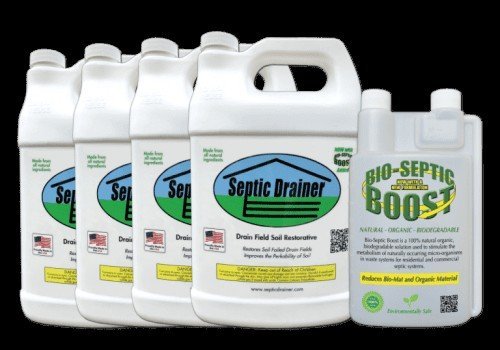
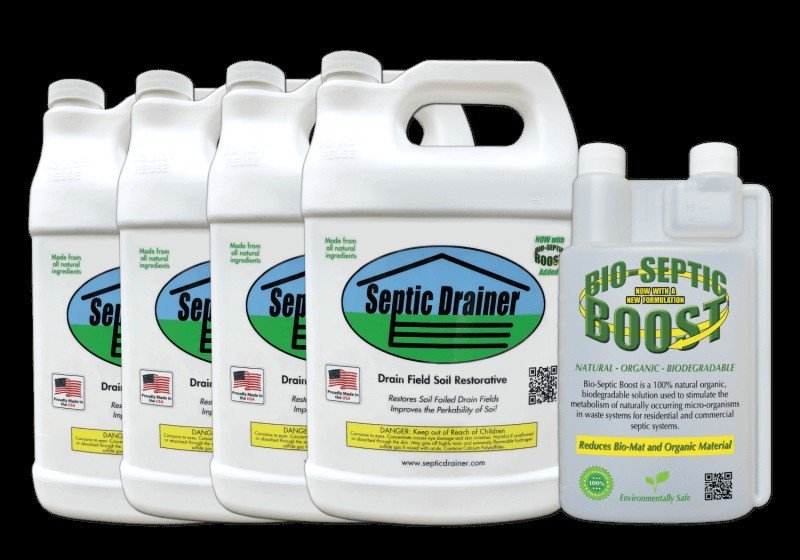
Septic Drainer is a highly effective solution for preventing and fixing leach field problems. It helps restore failed septic systems by breaking up and treating clogged soil. Unlike other products that only treat what’s in the tank, Septic Drainer refreshes the soil, solving drain field problems and restoring the system’s functionality. This cost-effective and convenient solution saves homeowners thousands of dollars in repairs.
How Septic Drainer Works?
Septic Drainer is designed to address the underlying causes of leach field failure. It works by:
- Breaking Up Hard Pan Soil: Septic Drainer breaks down the non-permeable layer created by sodium buildup, improving soil permeability.
- Eliminating Bio-Mat: The product enhances the activity of aerobic bacteria, which consume bio-mat and restore drainage.
- Preventing Organic Overloading: Septic Drainer helps maintain a balanced bacterial environment in the leach field, preventing organic overloading and clogging.
DIY Maintenance Tips
Homeowners can take several steps to uphold their septic system and prevent leach field problems.
- Conserve Water: Reducing water usage helps prevent overloading the septic system. Fix leaky faucets and use water-efficient appliances.
- Avoid Harsh Chemicals: Do not pour harsh chemicals down the drain; they can kill beneficial bacteria in the septic system.
- Proper Waste Disposal: Dispose of non-biodegradable items, grease, and oils in the trash, not down the sewer.
- Regular Pumping: Schedule regular septic tank pumping to prevent sludge buildup and ensure efficient system operation.
Addressing Bio-Mat Accumulation
Bio-mat accumulation is a common issue in leach fields. Anaerobic bacteria waste creates a slimy layer that blocks wastewater flow. Septic Drainer, combined with Bio-Septic Boost, effectively addresses this problem. Bio-Septic Boost is a bio-stimulant nutrient made from kelp, enhancing the activity of bacteria and promoting a healthy septic system.
Benefits of Bio-Septic Boost
Bio-Septic Boost offers several benefits for septic system maintenance:
- Increased Bacterial Activity: The nutrient enhances bacterial activity by up to 50%, improving the breakdown of organic material.
- Natural Composition: Made from all-natural kelp, Bio-Septic Boost is safe for the environment and your septic system.
- Easy Application: Add Bio-Septic Boost to your septic system according to the provided instructions.
Comprehensive Septic Maintenance Kits
RCS II, Inc. offers a range of septic maintenance kits to keep your system in top condition. These kits include everything needed for regular maintenance and repair, ensuring your septic system remains functional and efficient.
Septic Drain Field Repair Kits
Septic drain field repair kits from RCS II, Inc. are ideal for homeowners, contractors, and septic professionals. These kits are designed to restore drainage in clogged or failing septic drain fields and leach fields.
- Septic Drainer: Breaks up and treats clogged soil, restoring drainage.
- Bio-Septic Boost: Enhances bacterial activity, promoting a healthy septic system.
- Easy-to-Follow Instructions: Each kit includes comprehensive instructions for easy application.
Septic Maintenance Starter Kit
The Septic Maintenance Starter Kit from RCS II, Inc. is an all-inclusive solution for maintaining your septic system. This kit includes one gallon of Septic Drainer, one pint of Bio-Septic Boost, and a septic tank location marker.
- Prevents Costly Repairs: Regular starter kit use helps prevent expensive septic system repairs.
- Extends System Lifespan: Proper maintenance extends the life of your septic system.
- Improves System Flow: Enhances the flow of wastewater through the septic system.
Advanced Maintenance Kits
RCS II, Inc. offers advanced maintenance kits for older systems or those with significant issues.
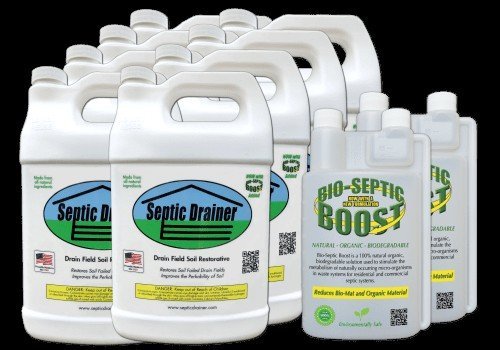
- Mega Drain Field Repair Kit: Designed for highly failed systems, this kit includes twice the product for comprehensive treatment.
- Septic Drain Field Repair II Kit: Ideal for moderately failed systems, this kit combines Septic Drainer with Bio-Scrub for effective treatment.
Preventing Future Leach Field Problems
Preventing future leach field problems requires a proactive approach to septic system maintenance. Homeowners can avoid costly repairs and certify their septic system operates efficiently by understanding the causes of leach field failure and implementing regular maintenance practices.
Proactive Measures for Septic System Care
Taking proactive measures is critical for maintaining a healthy septic system. Here are some steps you can take:
- Regular Inspections: Schedule routine inspections to identify potential issues before they become serious problems.
- Timely Repairs: Address any signs of leach field problems immediately to prevent further damage.
- Proper Waste Management: Dispose of waste appropriately and avoid flushing non-biodegradable items.
- Water Conservation: Implement water-saving practices to reduce the load on your septic system.
Professional Septic System Services
While DIY maintenance is essential, professional septic system services can provide additional benefits. Professionals can offer expert advice, perform thorough inspections, and handle complex repairs.
- Professional Inspections: Regular professional inspections ensure your septic system remains in good condition.
- Advanced Repairs: Professionals have the expertise to handle advanced repairs and complex issues.
- Maintenance Programs: Enroll in a professional maintenance program for ongoing septic system care.
Conclusion
Maintaining a healthy leach field is crucial for the proper functioning of your septic system. By understanding the causes of leach field failure and implementing regular maintenance practices, you can prevent future problems and extend the life of your septic system. Products like Septic Drainer and Bio-Septic Boost from RCS II, Inc. provide effective solutions for maintaining and restoring septic systems.
Regular inspections, proper waste management, and water conservation are key to thwarting costly repairs and ensuring your septic system operates efficiently. Taking a preemptive approach to septic system maintenance will save you time, money, and hassle in the long run.