
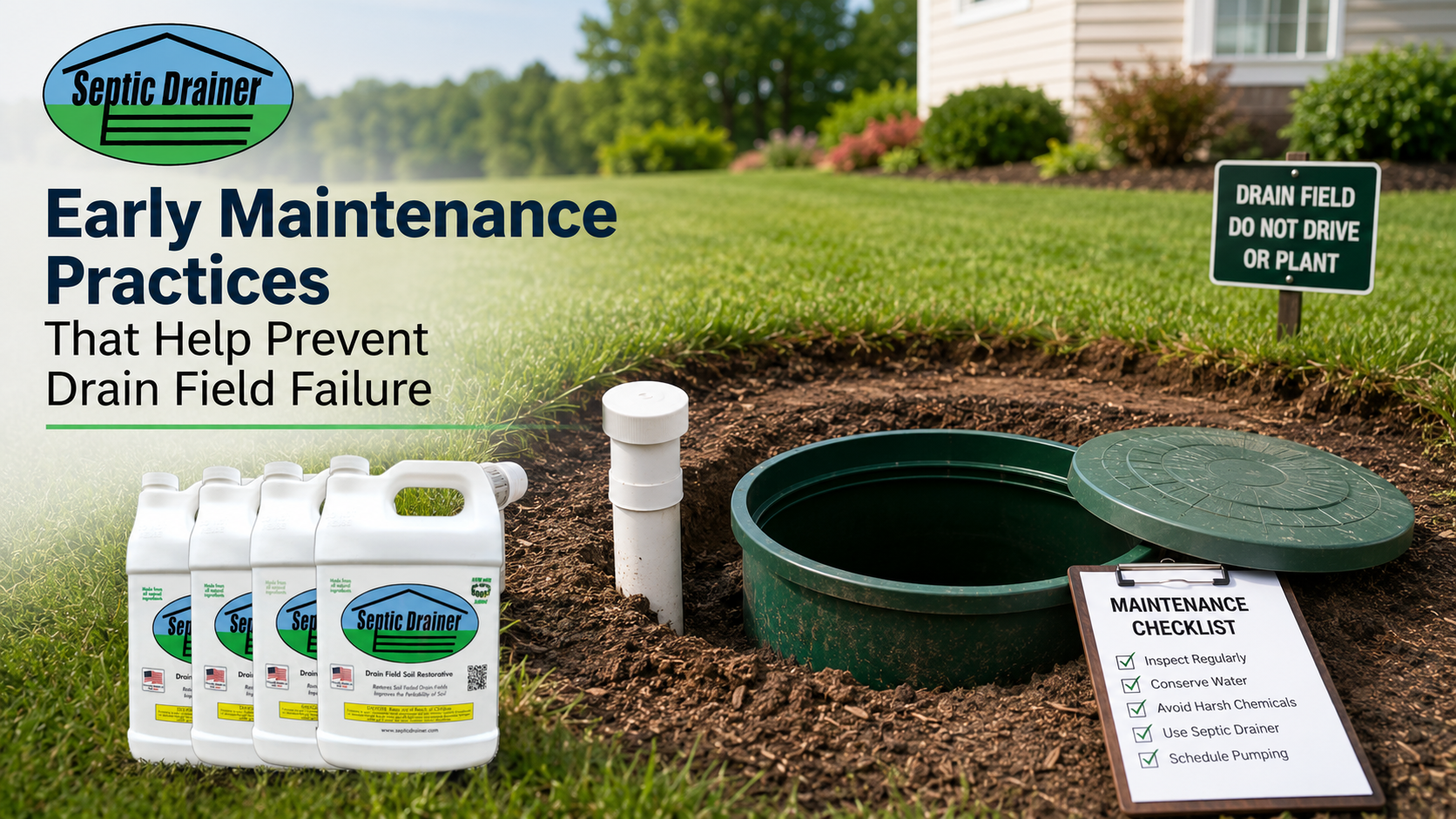
Summary: A healthy septic system depends on consistent care and timely maintenance. Understanding early warning signs and adopting preventive habits helps extend the life of your drain field while reducing expensive repairs. This guide explains practical maintenance strategies and highlights when septic drain field repair or leaching field repair may become necessary if routine care is ignored.
Septic systems perform efficiently when homeowners pay attention to maintenance instead of waiting for visible failures. Preventive care protects your investment, improves wastewater treatment, and reduces environmental risks. While septic drain field repair often restores systems experiencing moderate issues, regular inspections and responsible daily habits reduce the likelihood of reaching that stage. Understanding maintenance practices also helps property owners recognize situations where leaching field repair may become appropriate before significant damage develops.
Understanding Why Drain Fields Fail
A drain field is used to process the wastewater discharge once it leaves the septic tank. The contaminants will be filtered out of the water in the soil as it flows back into the environment. That is reliant on the healthy soil structure, suitable bacterial functioning, and balanced water movement.
Drain fields gradually lose efficiency when excess solids, grease, chemicals, or excessive water enter the system. Soil may become compacted, biological layers may thicken, and wastewater absorption slows. Small maintenance efforts made throughout the year preserve these natural processes and reduce unnecessary stress on the system.
Schedule Regular Septic Tank Pumping
One of the most important common maintenance tasks is to have the septic system pumped regularly.
Solid waste naturally accumulates inside the septic tank. If the amount of sludge becomes excessive, the solids enter the drain field and are trapped in the soil around it. Property owners should follow a pumping schedule depending on the size of their household, how much water they use, and the size of their water tanks. While some systems require professional pumping every three to five years, others may need it more frequently.
Maintaining a well-functioning tank helps to preserve the life and function of the drain field.
Use Water Responsibly Every Day
Septic systems are directly impacted by water management.
Large amounts of water entering the system within a short period overwhelm the drain field. Instead of processing wastewater gradually, saturated soil struggles to absorb additional flow.
There are some simple habits to enhance system performance:
- Spread laundry loads throughout the week.
- Repair leaking toilets and faucets promptly.
- Install water-efficient fixtures.
- Limit unnecessary water usage during heavy rainfall.
Balanced water flow lets soil have proper time to treat wastewater properly.
Protect the Drain Field Surface
Many homeowners unintentionally damage their drain field without realizing it.
Vehicles, heavy equipment, and construction materials compress soil above underground pipes. Compacted soil restricts oxygen movement and limits wastewater filtration.
A healthy drain field will benefit from the following:
- Keeping vehicles away from the area.
- Avoiding permanent structures above the field.
- Planting only shallow-rooted grass.
- Directing roof drainage away from the system.
These are simple measures to keep soil structure for years.
Watch What Goes Down Household Drains
All water used in domestic plumbing will ultimately enter into the septic system.
Excessive cleaning chemicals, feminine hygiene products, disinfectants, cooking oils, and grease disrupt the bacterial balance. Rats eliminate waste naturally through healthy bacteria. Rats get rid of waste naturally. Waste materials inhibit bacteria growth and promote deposition of solids.
Choosing septic-friendly products and responsibly disposing of waste helps to maintain treatment efficiency and minimize maintenance.
Inspect for Early Warning Signs
Early detection is the key to avoiding forking over money for what will emerge as a large repair job.
Owners of property should periodically check for:
- Slow draining sinks.
- Gurgling plumbing fixtures.
- Sewage odors outdoors.
- Wet spots above the drain field.
- Unusually green grass over the drain field.
- Standing water after normal weather.
Addressing these symptoms promptly often reduces restoration costs. Ignoring them may eventually require leaching field repair to restore proper wastewater absorption.
Support Healthy Soil Conditions
Most of the wastewater treatment occurs within the septic system, accomplished by healthy soil.
The soil’s performance depends on many factors, such as moisture balance, supply of oxygen for soil respiration, biological activity, and mineral content. With excess sodium, compacted soil, and excessive organic buildup, the amount of natural filtration is slowly reduced.
All of these conditions are maintained by the following: good vegetation, no compaction, and recommended maintenance schedules.
Keep Accurate Maintenance Records
A septic maintenance record contains a wealth of information in the life of a septic system.
Homeowners should document:
- Pumping dates.
- Inspection reports.
- Product applications.
- Water usage changes.
- Property improvements near the drain field.
These records can be vital for professionals to make the most precise assessment of how healthy the system is and look ahead for potential issues before they get too big to handle.
Arrange Professional Inspections
Regular checks can uncover fire risks that haven’t surfaced on the earth.
Examines tank condition, sludge level, distribution systems, drainage performance, and visible warning signs. Fixing minor issues that are discovered when doing an inspection typically involves much less work than extensive restorations to a system after years of neglect.
A long-term maintenance plan is achieved by using annual visual assessments and scheduled pumping.
Practice Seasonal Septic Maintenance
Septic system operation is affected by the weather.
In colder climates, soil conditions impact the season, with higher groundwater perched in the spring and, in colder regions, freezing ground in the winter. Drainage efficiency may be temporarily decreased during heavy rainfalls.
Seasonal maintenance includes:
- Monitoring drainage after storms.
- Preventing snow compaction over the field.
- Keeping surface runoff away from the system.
- Inspecting vegetation growth during warmer months.
Following a seasonal routine decreases damage to joints as a whole over a year.
Avoid Common Homeowner Mistakes
There are a few common daily routines that may significantly impact drain field life without anyone knowing.
Avoid these common mistakes:
- Flushing non-biodegradable products.
- Parking recreational vehicles above the drain field.
- Planting large trees nearby.
- Ignoring plumbing leaks.
- Delaying routine pumping.
- Using excessive garbage disposal waste.
It is better if these habits can be replaced with preventive maintenance to significantly improve the reliability of the system over the long term.
Long-Term Maintenance Saves Time and Money
Preventive maintenance costs far less than extensive system restoration.
Small investments in inspections, pumping, responsible water use, and proper waste disposal protect thousands of dollars in infrastructure. Property owners who follow consistent maintenance routines often enjoy decades of reliable septic performance.
When maintenance becomes part of regular home care, unexpected failures become far less common.
Conclusion
Preventive care remains the most effective approach for protecting your septic system and extending drain field performance. Routine pumping, responsible water usage, professional inspections, and careful household habits all contribute to long-term reliability. When warning signs appear, addressing concerns promptly with septic drain field repair helps restore proper operation before larger problems develop.
Septic Drainer offers practical solutions that support homeowners looking to maintain healthy septic systems for years to come.
Frequently Asked Questions
- How often should a septic tank receive pumping?
Most residential systems benefit from pumping every three to five years. Household size, water usage, and tank capacity influence the ideal schedule.
- What causes drain field failure most often?
Common causes for drain field failure are excess solids and poor maintenance, excess water use, soil compaction, grease build-up, and harmful chemicals.
- What are the first signs of septic system trouble?
Slow drains, odors, standing water, unusually green grass, and soil that is soggy are signs of issues with the septic system.
- Why should homeowners avoid driving over the drain field?
Heavy vehicles press on soil and impact belowground pipes, affecting surface oxygen, which affects water absorption for wastewater.
- How does preventive maintenance benefit a septic system?
Routine maintenance extends system lifespan, supports efficient wastewater treatment, reduces repair expenses, and helps homeowners avoid unexpected system failures.


 Septic systems are a great option for a home. But, if any part of the septic system stops working, the result is often a plumbing emergency that requires immediate attention.
